TAJI, Iraq, 7 June 2004 — A car bomb outside a US military base killed six civilians and wounded dozens more yesterday, capping a bloody week that saw 71 people die in attacks after the appointment of Iraq’s new interim government.
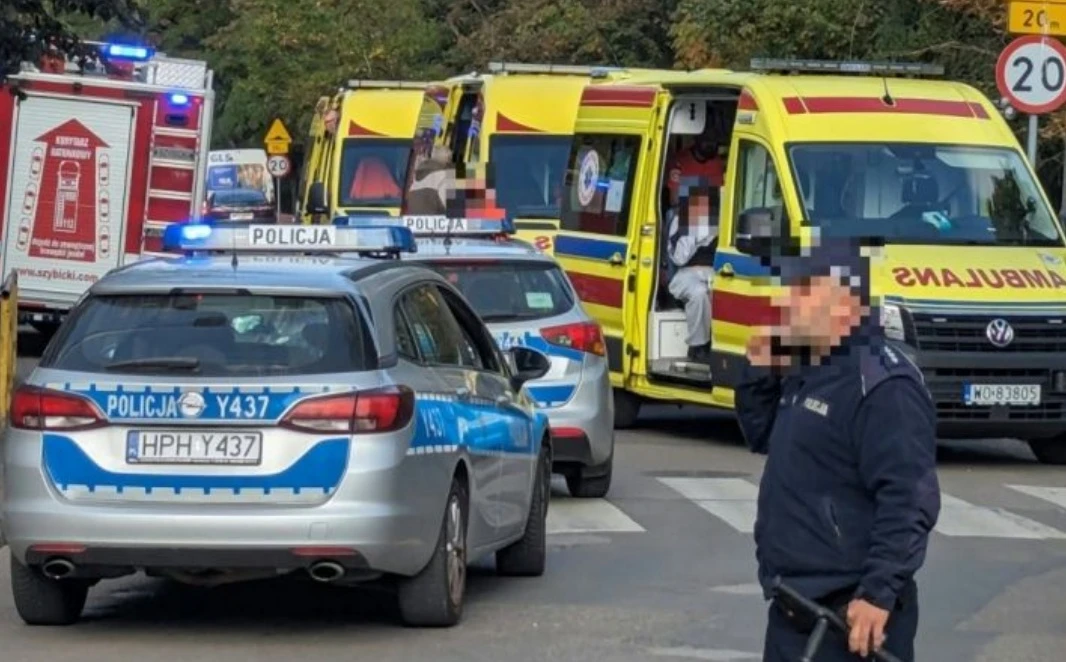
Six people died and 68 were wounded when the car bomb exploded outside the gates of the US base at Taji, just north of Baghdad, as Iraqi civilians lined up for work outside the station, according to witnesses and medical sources.
A statement received in Dubai and attributed to a group led by Al-Qaeda linked operative Abu Musab Al-Zarqawi claimed responsibility yesterday for “suicide” attacks in Taji.
Meanwhile rebels, disguised as policemen, killed 13 policemen Saturday as they raked a station south of Baghdad with gunfire and detonated bombs.
Two Polish and two US nationals working for the Blackwater security firm, died the same day in a roadside ambush in Baghdad.
Moqtada Sadr’s militia dynamited a police station in a Baghdad slum. Iraq’s new justice minister said the country would reinstitute the death penalty, in a move that could affect jailed dictator Saddam Hussein and other members of the old regime.
Plans were also thrashed out on the status of US forces in Iraq after the country receives sovereignty on June 30. A resolution on Iraq expected to be adopted by the UN Security Council this coming week will provide for an expiry of a US-led security force mandate by the end of 2005 when the country has adopted a permanent constitution and held national elections, US Secretary of State Colin Powell told CNN yesterday. The US military also confirmed it would continue to detain Iraqis after the country receives sovereignty at the end of the month despite international outrage over the prisoner abuse scandal at Abu Ghraib prison.
Iraq’s Oil Minister Thamer Ghadban vowed to raise the country’s oil production from 2.5 to three million barrels per day by the end of the year.
Since Iraq’s new interim government was appointed Tuesday, 71 people have been killed, 57 of them Iraqis, in the violence that has plagued the country since Saddam was toppled in April 2003.
Apart from the six killed at Taji, an Iraqi policeman and a civilian were killed and nine other officers wounded, five of them seriously, when a bomb exploded near the oil rich city of Kirkuk, police said.
The bomb went off in Tuz Khurmatu, 75 kilometers south of Kirkuk, as a police convoy passed a checkpoint on a road frequently used by US troops, said Kirkuk police chief Col. Abbas Mohammed Amin.
Gunmen killed 13 police and wounded 10 others Saturday in a bomb attack on a police station in Al-Musayyib, 50 kilometers south of the Iraqi capital, medical sources and the US military said yesterday.
The US military said insurgents attacked the police station at 4.20 p.m. (0020 GMT) with small arms fire and then lobbed a bag of explosives that demolished the building.
Sabah Saleh, a security guard protecting a gas warehouse across the street, said seven armed men disguised in police uniform had sped up to the police and riddled it with gunfire before detonating their bombs.
Two Poles and two US nationals were killed Saturday when insurgents ambushed their two-car convoy from the US security firm Blackwater, which provides protection for US overseer Paul Bremer, a Polish diplomat and the security company told AFP.
As Iraqis look to crackdown on the bloodshed sweeping the country, plans were afoot to bring back the death penalty. Justice Minister Malik Dohan Al-Hassan told AFP Iraq would restore the death penalty after the return of sovereignty later this month, in a measure which could affect Saddam Hussein.
In a controversial move, the US-led coalition forces said it would keep detaining Iraqis considered a security threat even after the return of sovereignty to Iraq later this month, a military spokesman told AFP yesterday.
Nine busloads of low-security risk Iraqi prisoners were freed from Abu Ghraib yesterday as part of its efforts to ease over-crowding at the jail amid allegations of systematic abuse in the US-run detention system.
In southern Iraq, Sadr’s two-month-old insurrection against US forces appeared to run out of steam in Najaf and Kufa as police were handed responsibility for the two cities. The streets of Najaf were quiet yesterday, but Sadr’s men blew up a police station which had been occupied by the US Army in the Baghdad slum of Sadr City, witnesses said.