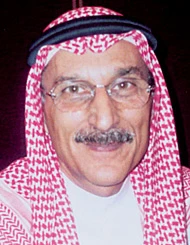
JEDDAH, 10 June 2004 — The insurance sector in Saudi Arabia will employ 10,000 Saudis in about seven years, according to Khaldoun Barakat, chairman of the Red Sea Insurance Company.
“This figure will be reached after stabilization of the market which needs time. We want to jump from a totally de-organized, de-regulated market to an ideal, highly sophisticated, regulated market,” Barakat told Arab News. “We can easily reach 50 to 60 percent Saudization if we prepare the right candidates and programs.”
Barakat stressed the role of training inside and outside the company and equipping young Saudis to shoulder responsibility in the insurance industry. “It is hard work. It will take about seven years to stabilize the market. We want to break with the past and create a new future. We have to coordinate the past and the future as well as the different parts within society,” he added.
Barakat said about 500 people trained by the Riyadh-based Institute of Banking (IOB) will enter the job market by the end of the year. The private sector will be able to select from that number. But the private sector will have to pay training costs which the Saudi Arabian Monetary Agency has met from its sources.
“We have to pay them back,” Barakat said, adding, “SAMA is to prepare another 2,000 Saudis for the next year. It is serious in this field and we appreciate that.”
He said the numbers were not enough. “We appreciate that the central bank at least is giving an opportunity. At the end of the day, SAMA will make periodic checks to see what percentage a company has achieved. If found too low, the erring company will be pushed to achieve the target,” he added.
Barakat said Saudization is the right of the citizens as well as the government. “I agree 100 percent with the SAMA vision that it is our right to train and equip our people and give them an opportunity to work in this sector,” he said.
“But SAMA is very serious about Saudization in the insurance industry. I think there are big changes in the mentality of Saudis in the sector. About a decade ago it was difficult to convince them to work in the field,” Barakat said.
He said like any other profession, this also needs certain abilities. “If they are sincere and have support from the companies that train them, I am sure in a short time we can reach an improvement in the ratio of employment.”