BAGHDAD, 19 June 2004 — Iraq’s caretaker government yesterday weighed imposing emergency powers to conquer a wave of violence and sabotage that has killed more than 180 people this month and halted oil exports for at least five days.
Justice Minister Malik Dohan Al-Hassan said the government may resort to “exceptional” laws imposed by Saddam Hussein after it takes power on June 30.
“The idea of imposing exceptional laws is under study,” he said, adding that there were no legal hurdles. “From the old regime, there was a statute, which foresees exceptional measures, which do not violate rights of the citizens, that has never been abrogated.”
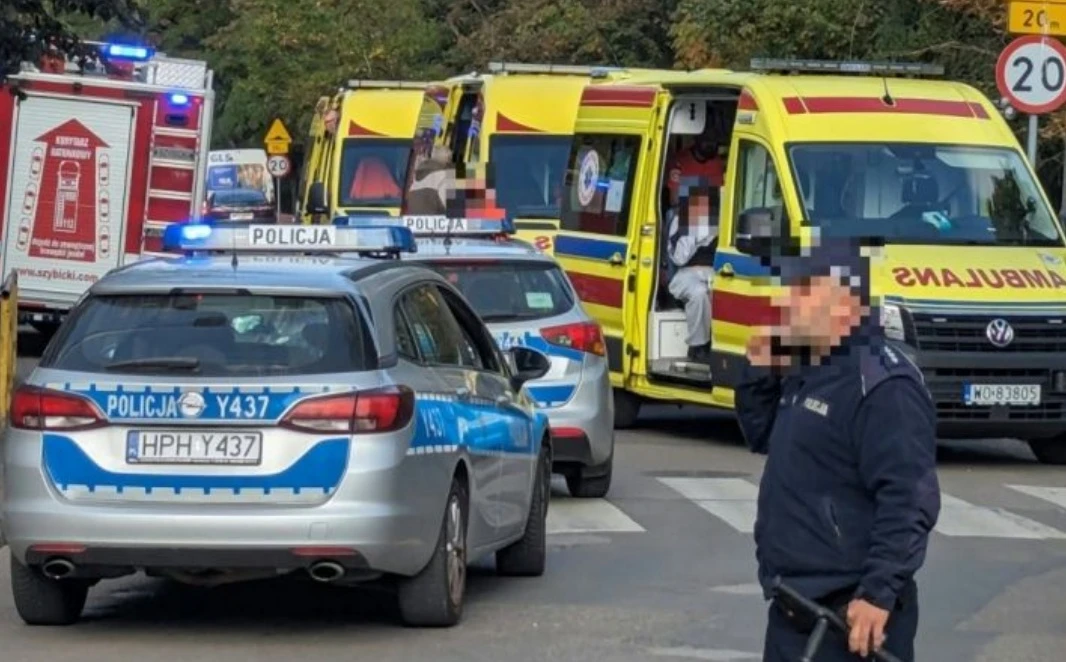
Interior Minister Falah Al-Naqib also warned he may impose “martial law” to control “terrorist acts” after 41 people were killed in two car bombings on Thursday.
Thirty-five people were killed in a suicide attack on a crowded army recruitment center, leaving the road littered with bloodied and tangled bodies. Another six Iraqis were killed north of the capital three hours later.
Meanwhile, a coalition official said oil exports from southern Iraq would resume tomorrow after being halted by sabotage attacks. “We currently expect oil exports from the 42-inch line to resume Sunday, and ships may pre-position at the offshore oil terminals before then,” the official said.
Iraq’s southern terminals have been the main gateway for oil exports since last year, when insurgents launched a relentless campaign of sabotage against the northern city of Kirkuk’s pipeline to a Mediterranean terminal in Turkey.
The violence also claimed a diplomatic victim with UN Secretary-General Kofi Annan announcing that Iraq was too dangerous for the world body to make an early return.
A bitter row also continued to divide the holy city of Najaf with supporters of Moqtada Sadr halting Friday prayers for the second week running.
Sadr’s supporters, who a week earlier stoned moderate clerics at the biggest mosque in the city, said they would stop anyone preaching without permission from the grand ayatollahs.
“We will stop anyone who does not have authorization, even oral, from the Marjaiya (Iraq’s top Shiite authority), from leading Friday prayers,” Ahmed al-Shaibani, a Sadr spokesman, said.
The move blocked leading Sadr critic, Saddredin Al-Kubbanji, from preaching.
Sadr, whose militia was engaged in a fierce rebellion against coalition rule until early June, also raged against interim President Sheikh Gazi Al-Yawar’s meeting with US President George Bush in Georgia this month.
“My heart was filled with deep wrath when I saw the so-called president of the Iraqi interim government shaking hands with US President Bush,” Sadr said in remarks made on his behalf during a sermon in Najaf’s twin city of Kufa.
Violent attacks continued yesterday with two insurgents killed by US troops after firing rocket-propelled grenades near Baquba, northeast of Baghdad.
Three civilians were wounded in a roadside bombing in the northern city of Mosul and three police officers hurt in an overnight explosion in the southern city of Nassiriyah.
A British military spokesman said a British soldier and two Filipino security guards were wounded in a mortar attack in Amara, southern Iraq, late Wednesday as shelling continued Thursday night.
But the release of Lebanese hostage Jamal Dib, who was seized Monday, provided a glimmer of good news.
Otherwise, Seoul announced the deployment of about 3,000 troops to northern Iraq on a relief and rehabilitation mission from August, while Japan said it would join the multinational force to patrol the country after the handover.