TASHKENT, 31 July 2004 — Uzbek suicide bombers targeted the US and Israeli embassies and the general prosecutor’s office in Tashkent yesterday. The blasts left five people dead, including the three bombers, and at least five more injured.
The Islamic Movement of Uzbekistan (IMU) claimed responsibility for the bombings in a statement posted on a website.
The attacks were staged as 15 suspects with alleged links to Al-Qaeda stand trial for a wave of violence earlier this year that left at least 47 people dead. Those attacks had included Central Asia’s first-ever suicide bombings. The Interfax news agency said a man with an explosive belt on his waist detonated a bomb outside the US Embassy and Uzbek security forces surrounded the compound, stopping all traffic.
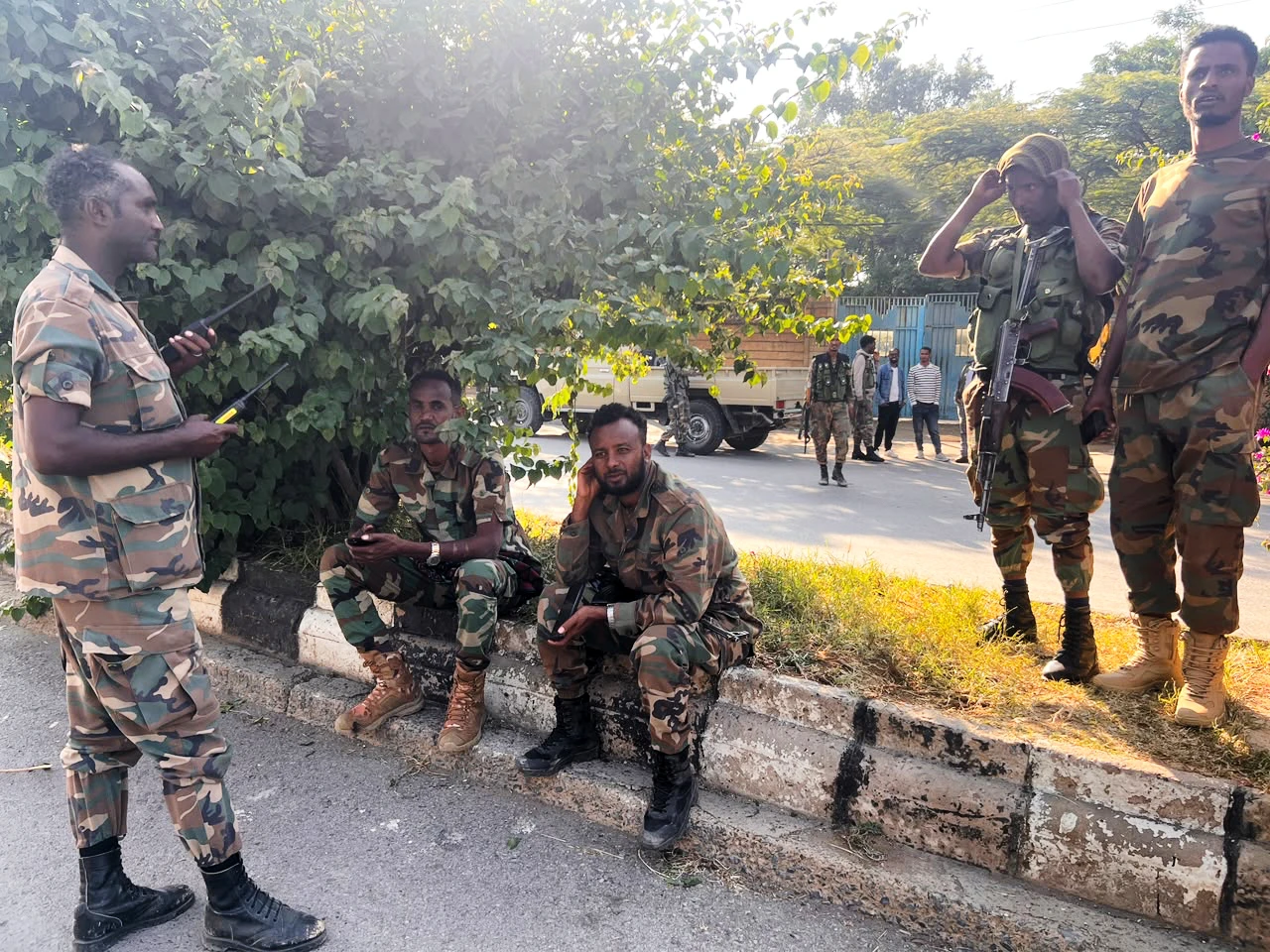
Outside the heavily fortified American compound, a body believed to be that of the bomber lay in the street across from the entrance. The vicinity was blocked off by heavily armed police and soldiers, but from a distance there was no visible damage to the tall concrete wall around the compound.
Israeli Ambassador Zvi Cohen said two people had died outside the Jewish state’s embassy. “A bomb exploded at the entrance to the embassy,” he told Israel Radio.
Cohen said he and three other Israeli officials were in the building at the time along with two local security guards. Security had been stepped up since the earlier bombings.
“The attacker came as close as possible to the door, saw the Uzbek security men and then detonated himself,” an Israeli security source said. Sources said one of the dead was the ambassador’s personal bodyguard, the other an embassy guard.
Part of a body lay outside the embassy and windows were shattered in single-story houses opposite. Debris littered the area outside the Israeli Embassy and soldiers in helmets and with automatic weapons blocked off the street. The embassy is surrounded by a high stone security wall and the building did not appear to be damaged. There is a significant Jewish population in Uzbekistan.
Uzbek Interior Minister Zakirdzhon Almatov said five people were injured at the prosecutor’s office, where a man blew himself up in the lobby. Police sealed off the building and fire trucks and ambulances were lined up outside, flanked by police carrying automatic weapons.
Uzbekistan, a former Soviet republic in Central Asia, borders Afghanistan and allowed the United States to base soldiers and equipment there for the war that ousted the Taleban regime. Moscow still considers its former republics in the region to be its area of influence.
Uzbek leader Islam Karimov runs a strict regime that has sought to wipe out extremism. He allows no opposition to his rule, which dates to Soviet times.
The 15 suspects on trial for the March and April violence that killed 47 have pleaded guilty to charges of terrorism, murder and religious extremism. They could face the death penalty. Several of the suspects have said the US and Israeli embassies had been intended targets in the wave of explosions that killed 33 alleged militants, 10 police and four bystanders, officials say.