MOSCOW, 26 August 2004 — Two Russian passenger jets crashed simultaneously in different places after taking off from the same Moscow airport, leaving 89 people dead and raising new fears yesterday of terrorism in the heart of Russia.
Investigators said yesterday that they are probing into other factors and the crashes could simply be a mysterious coincidence. The planes, which belonged to two different companies and were bound for different destinations, departed within an hour of each other late Tuesday and went down at almost precisely the same moment 770 kms apart in two regions south of Moscow.
Russian President Vladimir Putin interrupted a vacation on the Black Sea and returned to Moscow yesterday evening, holding a meeting with the prosecutor general, who said terrorism could not be discounted in the incidents.
“We are looking at various possibilities, including a terror attack and other, technical problems,” Prosecutor General Vladimir Ustinov said in televised remarks during a meeting with Putin.
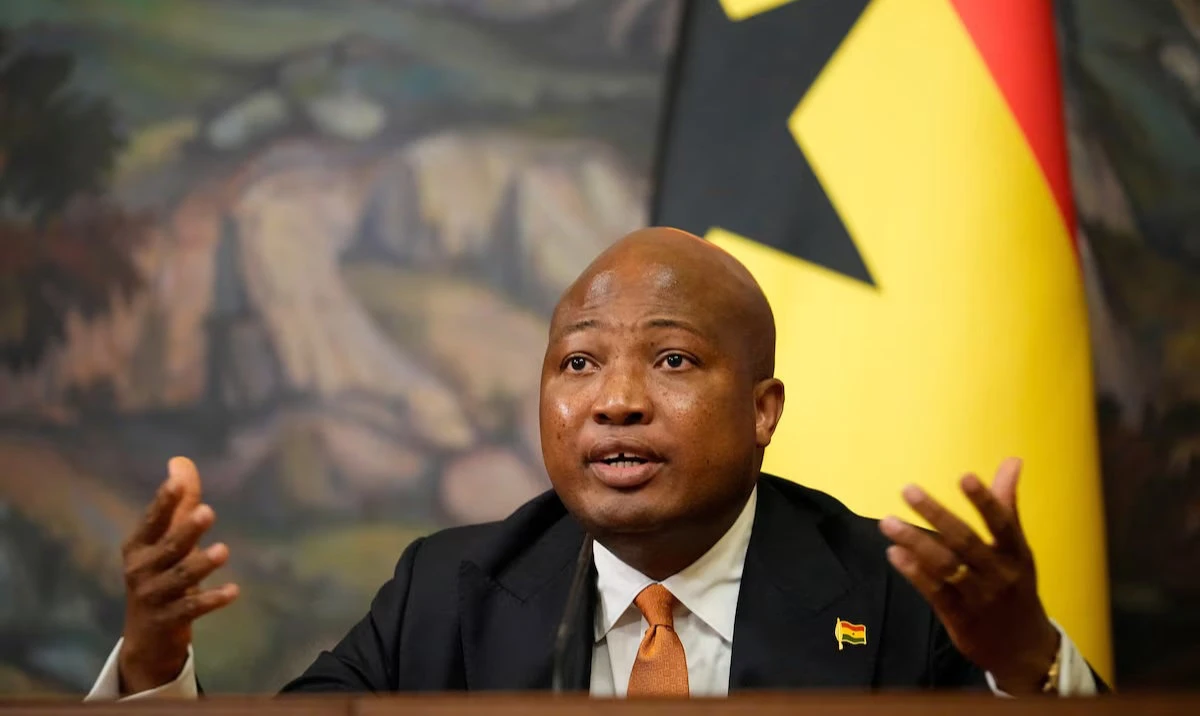
In his first comments on the incident, the Russian president — dressed in a black suit and a black tie — expressed his condolences to the victim’s families and demanded “honest” information from his government about the investigation.
“We are gathered here now because of the tragedy,” Putin said. “Before starting our work, I would like to express my condolences to the families and friends of those who died.”
Wreckage and bodies lay strewn across fields outside the central city of Tula and the southern city of Rostov-on-Don as more than a thousand emergency workers used cranes to sift through the debris and extract corpses.
There were no claims of responsibility for the twin disasters and investigators also indicated that they were looking at other possible explanations including bad weather, pilot error and problems with the fuel pumped into the jets.
The owner of the Tu-154, Sibir Airlines, said the pilots had triggered a hijack alert just before their plane with 46 passengers and crew on board crashed. “The message was generated right before all contact was lost with the plane and it disappeared from radar screens,” Russia’s No. 2 airline said in a statement.
Volga-Aviaexpress, a small regional carrier which owned the other Tu-134, said the crew did not report any problems on board before the plane crashed with 43 passengers and crew.
The “black box” flight data recorders from both aircraft were recovered and Russian news agencies reported that one of the planes had issued a distress signal before plummeting to the ground.
“The main line of inquiry we are following is violation of the rules of operating civil aircraft,” FSB spokesman Sergei Ignatchenko said. Ignatchenko said this meant pilot error, mechanical defects or problems with fuel quality — prime suspects in Russia, where pilots are poorly paid and planes often old.
Sibir and Volga-Aviaexpress rejected the possibility of human or technical faults, saying that the planes were properly checked before the flight and had experienced crews. The Tu-134 was piloted by the head of the company and was carrying two auditors from the aviation authority, who perform regular checks of all air carriers.
Reporters at the crash site outside Tula spoke to witnesses who claimed to have heard an explosion as the plane passed over their city, but their accounts offered little in the way of explaining how the plane went down.
Authorities in Moscow and St. Petersburg, Russia’s second city, meanwhile announced that precautionary steps were being taken to tighten security at the city’s airports and other public sites with the participation of the FSB and other government agencies. “All of the security services have been instructed to step up their vigilance,” Moscow government spokesman Kirill Mazulin said.
An increased presence of police officers and other security personnel in public transportation stations and around many government buildings had already been in evidence over the past week.
The heightened security in the capital and elsewhere reflected official concern that the vote in Chechnya, an election the Kremlin seeks to hold up as a sign of democratic progress in the embattled republic, not be disrupted in any way.
One key Chechen separatist leader Aslan Maskhadov’s spokesman flatly denied the Chechen leader had any connection to the plane crashes.
Meanwhile, emergency personnel said they had recovered dozens of bodies at both crash sites and were transporting remains to local morgues. Interfax news agency said debris from the plane that hit the ground near Rostov was scattered over fields and forests along a 10-kilometer radius.
— Additional input from Agencies