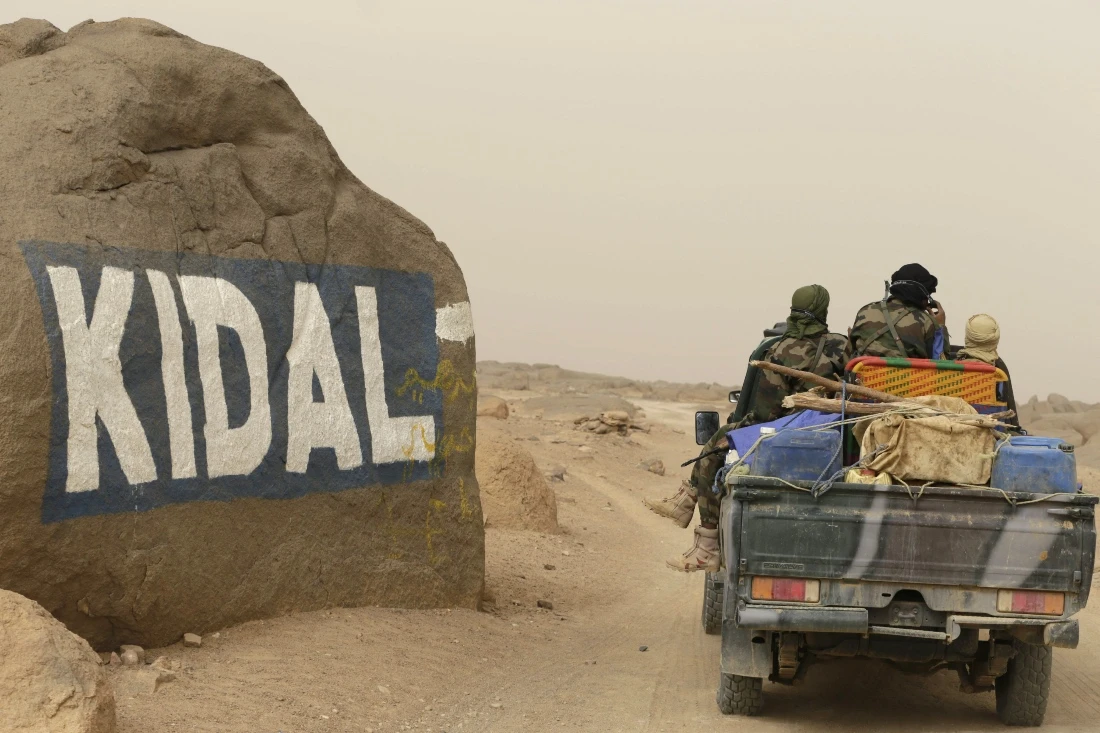
GAZA, 19 May 2005 — Fighting rocked the fragile Middle East peace as Israel launched its first airstrike against Palestinian militants in Gaza Strip since armed groups began observing a de facto truce, in an attack that Hamas slammed as a “serious escalation”.
The strike followed shelling of Jewish settlements yesterday in what the Hamas group said was an attempt to avenge the death of one of its fighters.
The surge of violence put strain on an already tenuous truce and could complicate Israeli Prime Minister Ariel Sharon’s plan to evacuate Gaza. A new poll showed Israeli public support for a pullout has slipped, though a clear majority still favors it.
The renewed violence also cast a shadow on Palestinian leader Mahmoud Abbas’ trip to China yesterday where he met with most powerful Chinese politicians, receiving promises of economic cooperation from an Asian giant eager to expand its influence in the Middle East region. Abbas was, however, delivered a blow at home when Palestinian deputies passed a bill introducing less change to the Palestinian election system than what he had pushed for.
It was the worst Gaza fighting since the Israeli-Palestinian cease-fire took hold in February, and began with the pre-dawn death of a Hamas gunman along Gaza’s border with Egypt.
Another activist was seriously hurt in the Israeli missile strike. The Israeli Army said he was part of a squad that had been firing rockets or mortars into a Jewish settlement.
“Regrettably, there is a systematic escalation which is a clear violation of the signed understandings,” Palestinian Prime Minister Ahmed Qorei told reporters in the West Bank. Following the activist’s death, Hamas rained mortar bombs and rockets on settlements in response. A settler youth was lightly hurt, witnesses said. Hamas also issued a statement warning Sharon that “the security you are enjoying these days will not last long if aggression continues against our people”.
In Palestine, the new election law was passed two months ahead of the scheduled parliamentary elections and after weeks of delay and quarrelling. But it did not erase fears that the elections would have to be postponed, as legislators opposed to it said Abbas was likely to veto it. Under the bill, the new Parliament will have 132 seats, one-third of which will be elected through proportional representation and two-thirds of which will be allocated to constituencies.
Abbas, on his first trip to China since taking over from the late Yasser Arafat, held talks during the day with both President Hu Jintao and Premier Wen Jiabao. Later, Abbas and President Hu witnessed the signing of five agreements on economic, trade and technological cooperation.
— With input from agencies.