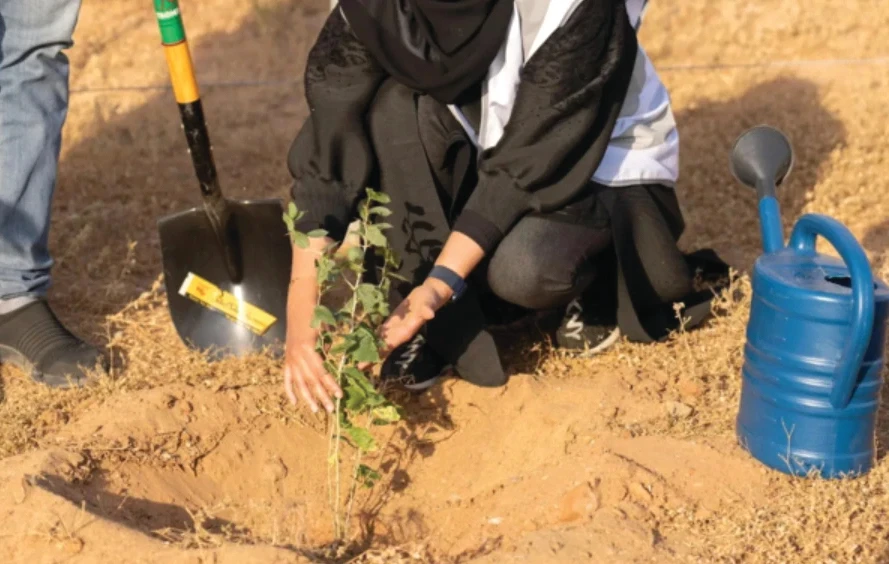
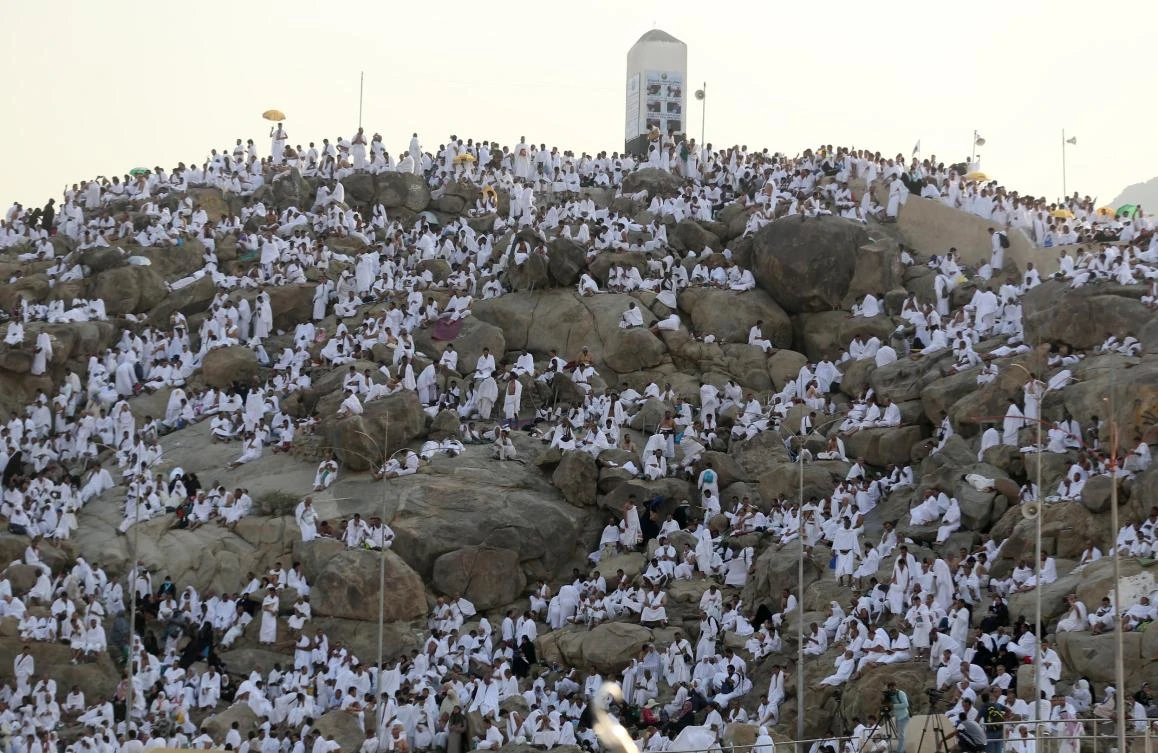
RIYADH, 22 May 2005 — In a move to protect endangered animal and plant species, Saudi Arabia has stepped up its conservation efforts and plans to set up 16 wildlife protection areas. The move will ensure conservation of the rich biological diversity of the Kingdom — an arid country that is home to 450 bird species, 2,250 plants and a number of endangered species.
“The National Commission for Wildlife Conservation and Development (NCWCD), chaired by Prince Sultan, second deputy premier and minister of defense and aviation, is currently investigating some candidate sites for establishing protected areas,” said Dr. Abdul Aziz Abuzinada, the commission’s secretary-general. He spoke Saturday to herald “World Day for Biological Diversity,” to be celebrated today.
“Riyadh has stepped up its efforts to conserve its biodiversity,” he said. “We also have signed the international treaty on Conservation of Biological Diversity under which the 178 signatory nations have pledged to prevent loss of biodiversity.
“The new national strategy of conservation is being formulated in cooperation with different ministries of the Kingdom under the directives of Prince Sultan, who is also the chairman of the NCWCD board of directors besides being the chairman of the ministerial committee for environment.”
He said the environmental agency has made enormous efforts during the last 15 years to conserve the biodiversity of the region. It has set up 17 protected areas, covering some 84,000 sq. km. The protected areas, he said, will be doubled in due course.
NCWCD also has set up the 640,00 sq. km. Rub Al-Khali Wildlife Management Area, the second largest protected area in the world after Greenland National Park.
The agency also plans to set up more marine protected areas in addition to the three existing ones. NCWCD already has set up wildlife protected areas on five percent of the Kingdom’s total area. Now, the agency is seeking to protect 10 percent of the country.
The Kingdom is also among the first countries to have successfully carried out a program for reintroducing endangered species to the wild. Saudi Arabia has also the largest fenced protected area at Mahzat Al-Sayd in Taif, which is home for several endangered species.
The Kingdom is also home for more than 112 reptiles, eight endemic insects and 1,280 fish species besides a number of animal species.
NCWCD has set up the Saudi Wildlife Fund (SWF) to raise money to meet shortfalls in the allocations for implementing environmental projects.