ARBIL, Iraq, 13 June 2005 — The Kurdish Parliament in northern Iraq yesterday elected veteran leader Massoud Barzani as president of the region, giving the group greater autonomy after decades of oppression under Saddam Hussein. Adnan Al-Mufti, speaker of the Kurdish Parliament, told a news conference that parliament unanimously elected Barzani, whose longtime rival Jalal Talabani, of the Patriotic Union of Kurdistan, became Iraq’s president earlier this year.
Barzani, head of the once rival Kurdistan Democratic Party, will be formally sworn in tomorrow because poor weather prevented officials from flying to the region from Baghdad for a ceremony yesterday, officials said. After months of wrangling following an election at the same time as national voting on Jan. 30, the show of support for Barzani in the new post strengthens the Kurds’ grip on the north of Iraq and may bolster their bid to ensure they maintain their autonomy once a new constitution is drawn up in Baghdad.
That independence came with US military support after Saddam Hussein’s defeat in the 1991 Gulf War. It was jeopardized by a civil war between the KDP and PUK. But for a decade Kurds have enjoyed greater prosperity than other Iraqis.
The 20-percent Kurdish minority has joined Arab Shiites who make up more than half Iraq’s population to supplant Saddam’s Sunni Arab minority in power, stirring resentments among Sunnis. Hundreds of Kurds celebrated in several cities in the north after Barzani was named president. Some waved Kurdish flags.
“Barzani’s election is the beginning of the realization of the Kurdish dream of independence and the building of the Kurdish state in the region,” said 24-year-old student Sara Ahmed in the city of Sulaimaniya.
But in Baghdad, some Iraqis criticized the election of Barzani, son of Kurdish nationalist leader Mustafa Barzani. “Having another Kurdish president is unacceptable to Sunnis like myself,” said Tarek Adeeb, a transport company employee. Firaas Maher, a Christian, said too much influence in the hands of one group threatened to exclude other communities. “During Saddam’s time he only helped the people closest to him while we were left to live in the dirt. I don’t want that to happen again,” said the mobile telephone shop employee.
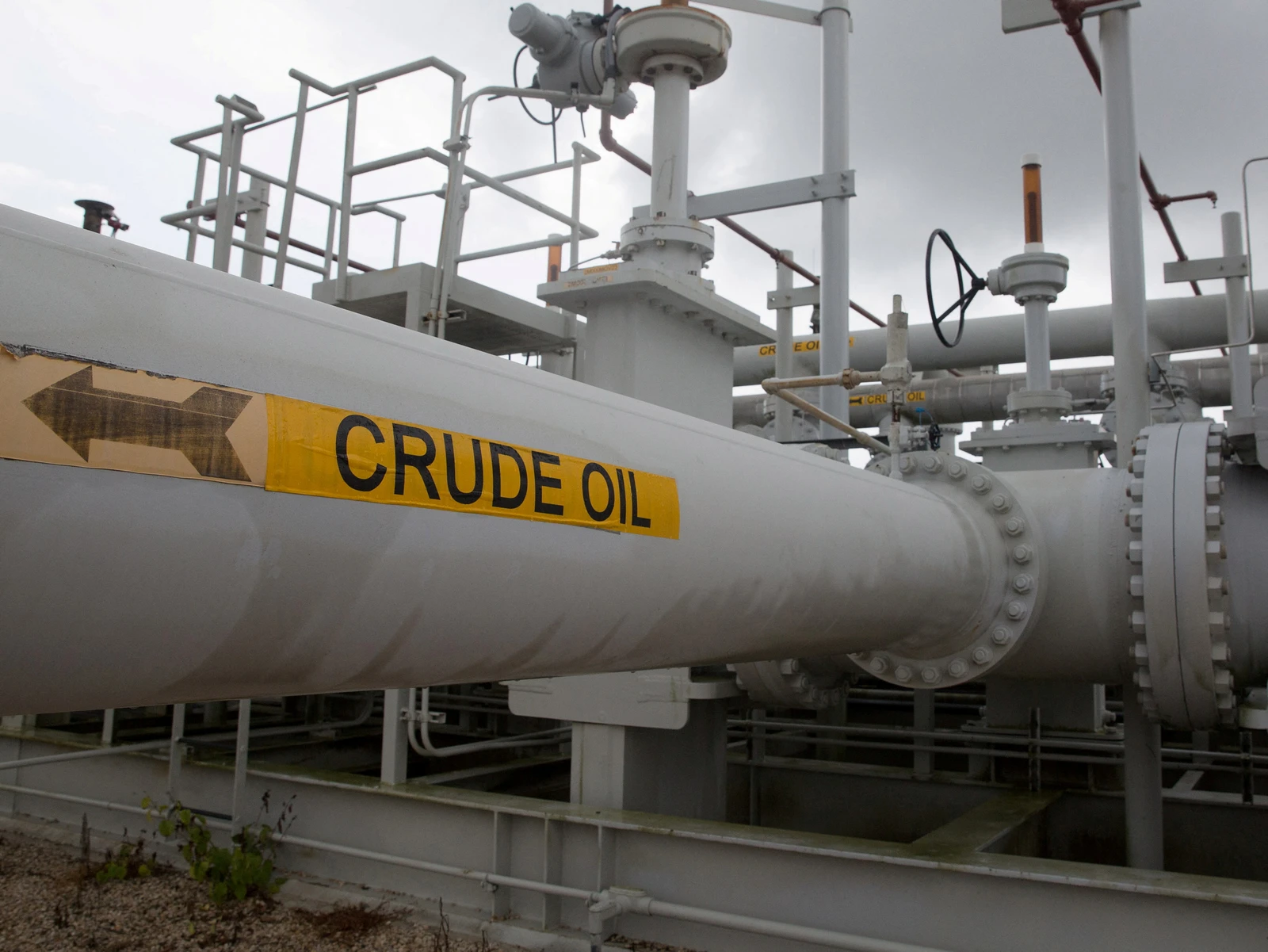
The Kurds have been pushing for a fully federal Iraq, something the Arab majority is less keen on. Moreover, the Kurds want the oil centre of Kirkuk as their capital, a demand that has angered Arabs and Turkmen also vying for influence in the city which lies south of the present Kurdish borders. Iraqi Kurdish aspirations have also angered powerful northern neighbor Turkey, concerned over its own restive Kurdish population. Barzani will lead one of Iraq’s most peaceful regions.
Meanwhile, the bodies of 20 people, bound and shot in the head, have been found on a military firing range in the eastern suburbs of Baghdad, police said yesterday. The identities of the victims were unclear and the bodies appeared to have been there some time, one police source said. They were found on Friday and were now in a Baghdad morgue, another police officer said.
Such finds have become a grim routine of the violence in Iraq. In the couple of months since a Shiite-led government was formed, more than 850 people have been killed, fuelling fears that the nation could pitch into civil war.