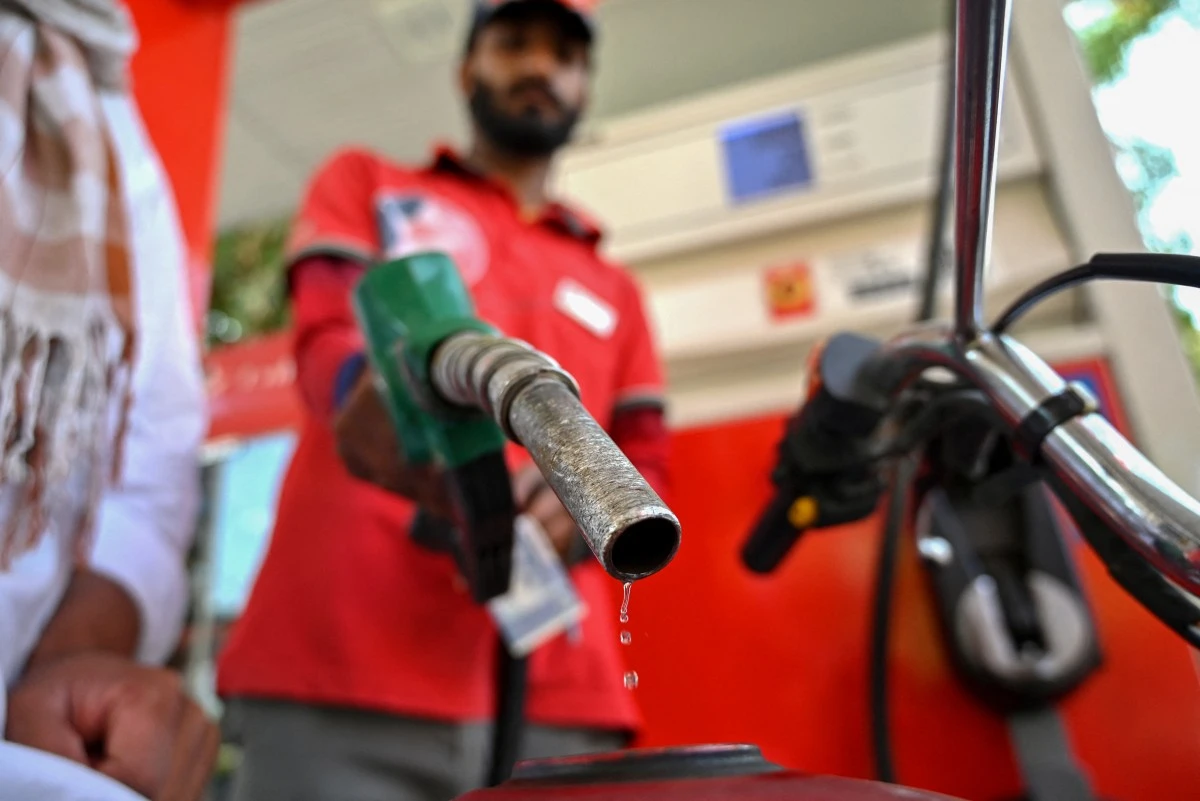
NEW DELHI, 21 June 2005 — Indian government raised petrol and diesel prices by as much as sevenpercent yesterday in an attempt to keep up with soaring crude oil costs and stem the losses of state-run oil firms, Petroleum Minister Mani Shankar Aiyar said yesterday.
Resisting opposition from the Left allies, the government increased petrol and diesel prices by Rs.2.50 and Rs.2 per liter respectively as global crude prices breached the $59 a barrel level. The hike came after consumers had been insulated against spiraling global crude prices for nine months.
The announcement came on a day when most petrol stations across the country were on strike, with members of The Federation of All-India Petroleum Traders (FAIPT) demanding a higher commission.
“The Cabinet has agreed to raise petrol prices by Rs.2.50 and diesel prices by Rs.2 a liter,” Information and Broadcasting Minister S. Jaipal Reddy told reporters after a meeting of the Cabinet Committee on Economic Affairs chaired by Prime Minister Manmohan Singh.
The Left parties, which support the ruling coalition from outside the government, yesterday demanded a rollback and said they would launch a nationwide agitation against the hike in prices on June 28.
The increases will be effective from today. Adding to the woes of consumers, gas stations across the country went on a token strike yesterday pressing for a hike in commission on the sale of fuel.
The price hike came after long-drawn discussions between the petroleum ministry, which has been seeking a revision with the oil marketing companies feeling the pinch on profits, and the Left parties demanding a rejig of levies by the finance ministry to absorb the impact of hardening global prices.
Despite Manmohan holding talks with the Left allies, they remained unconvinced. Keeping the persistent opposition of the communist parties, the prices of kerosene and cooking gas were not revised.
Stating that the move was based on the principle of equitable share of burden between the government, oil companies and consumers, Aiyar said: “It (the price hike) has been necessitated after insulating the consumers since November from the spiraling prices of crude and petroleum products.”
“We have, however, tried to protect the interests of the poor by not revising the prices of kerosene sold through public distribution system (PDS) and cooking gas.”
The price revision will provide relief to the oil marketing companies, which have been bearing the burden of the global surge in prices of crude and petroleum products.
Aiyar clarified there would be no fortnightly revision in prices. The oil marketing companies had been seeking a hike of over Rs.5 for both the transport fuels and a revision in the prices of the two cooking fuels. The government, however, chose not to shock consumers with such a steep hike.
“We cannot agree with the government’s decision. The Left parties will hold a nationwide protest June 28,” Communist Party of India (CPI) Secretary D. Raja said.
“We have taken note of the fact that the government has not hiked the prices of kerosene and cooking gas, which is consistent with our stand. The government should have also considered our reasonable contentions on petrol and diesel and taken steps to spare the common man.”
Raja feared the hike in transport fuel prices would put further pressure on the “upward trend in inflation and general rise in prices of commodities due to the cascading effect”.
The main opposition Bharatiya Janata Party (BJP) also said they would oppose the price hike. BJP Vice President M. Venkaiah Naidu said the decision was “anti-poor and anti-farmer”.
“This decision exposes the anti-poor face of the UPA (the ruling United Progressive Alliance) as the hikes will hit farmers and poorer sections badly. These people are already suffering a lot due to natural calamities,” Naidu said. — Additional input from IANS.