CAIRO, 1 July 2005 — The trial of Ayman Nour, leader of the opposition party Al Ghad (Tomorrow) and a member of Parliament running for the presidency next September, was adjourned till July 6 by the Cairo Criminal Court.
The 41-year-old leader is accused of having forged 1,187 documents and his party’s application papers contained hundreds of forged powers-of-attorney documents that he then presented to the Political Parties Committee to pressure it into granting his party a license.
The court began its hearing in the case against Nour and six members of his party over alleged forgery charges.
The top judge Adel Abdel Salam agreed on postponing the trial after the lawyers of the six defendants said “the co-defendants were victims of Nour’s lies and deception and he is a long-time forger.”
The lawyers added that they have other evidences that prove that the Ghad leader had fabricated pictures of tortured Islamists in the 1990s when he was a reporter for Al Wafd opposition paper. Some of the defendants confessed that they forged the documents at the request of Nour with a computer he had bought for them.
However, Ahmad Ismail, one of the defendants, told reporters after the court session that he was forced by the state security to admit things he and Nour did not commit. “They put me under pressure to confess that we forged the documents but we didn’t and I have already told judges that I will change my testimony next week,” Ismail added.
The Egyptian Interior Ministry said in a statement that 42-year-old Ghad member Khalil Al Antabli, who died after the first court hearing last Tuesday was neither attacked nor beaten up by the security forces. “Al Antabli died two hours later in a hospital due to a heart attack, and not during the demonstration as Al Ghad claimed,” the statement read.
Meanwhile, the United States urged a transparent, impartial and fair trial. State Department Spokesman Sean McCormack said US officials are closely watching the Nour trial and want to see a fair trial and an open political process in Egypt.
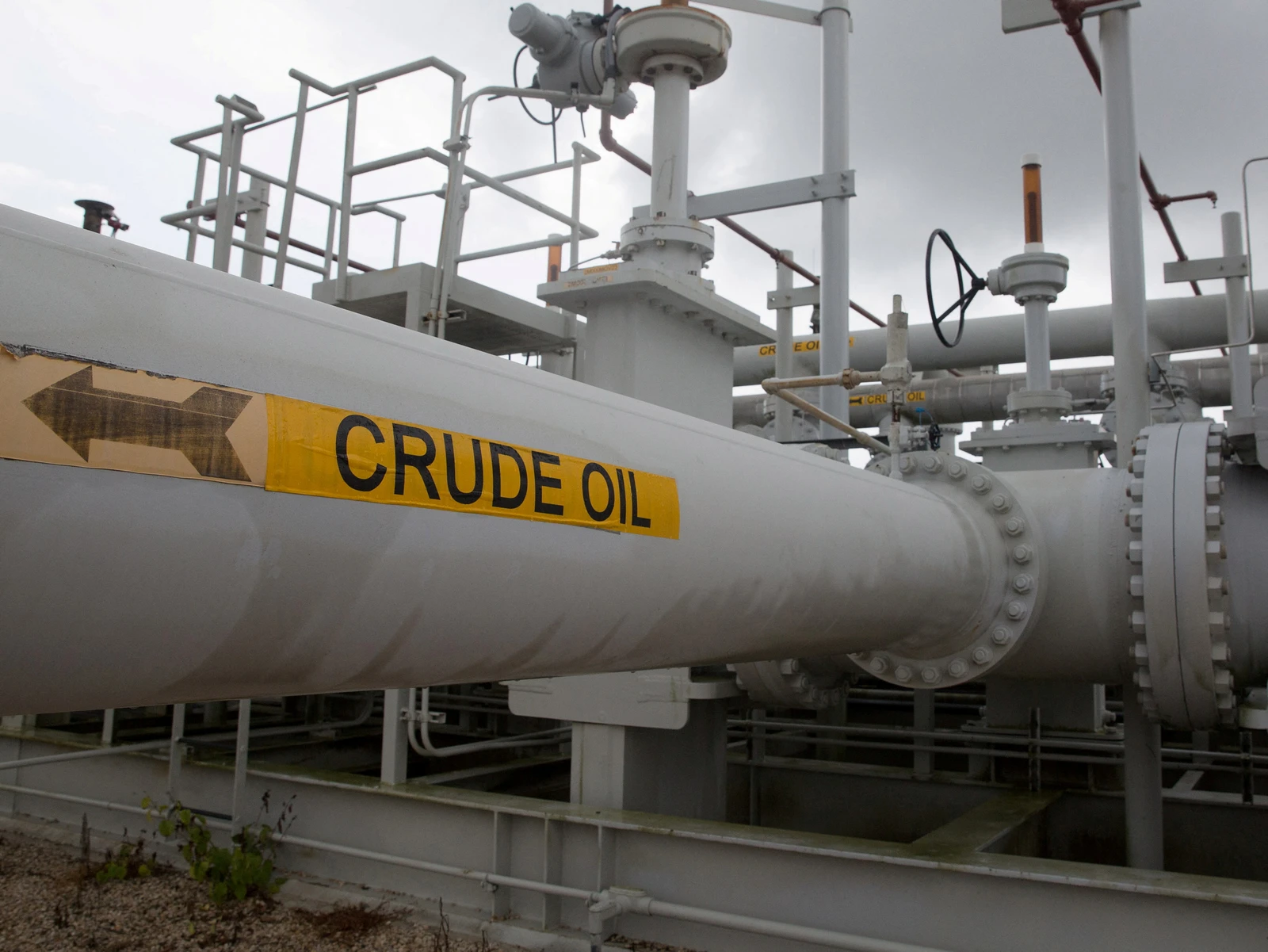
Meanwhile, Egypt and Israel yesterday signed a long-delayed $2.5-billion agreement on sale of Egyptian natural gas to Israel, underscoring improved ties between the two countries.
Egyptian Oil Minister Sameh Fahmy signed the agreement in Cairo with visiting Israeli National Infrastructure Minister Benjamin Ben-Eliezer, who also met President Hosni Mubarak.
Under the 15-year deal, Egypt will sell Israel 1.7 billion cubic meters of gas a year from October 2006 — a total of about 25 billion cubic meters, Israeli officials said last week. There will be an option to extend the deal a further five years.
But Ben-Eliezer, asked at the signing ceremony when deliveries would start, said: “I hope it is, as has been promised, in something like two years.”
“This is a historic day because ... this will be the best indicator to show everyone that the peace between Israel and Egypt is solid,” he said.
An Egyptian official statement said the gas deal “comes ... in the framework of both sides’ commitment” to the peace treaty.