
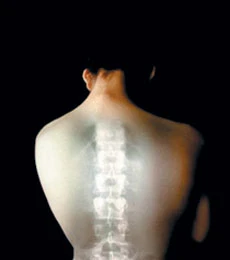
A recent study in Jeddah has sounded an alarm for young people. In many cases, it seems, their bones are brittle. We often hear stories of an old woman who “fell and broke her hip” or who “bumped into something and broke her wrist. Now, however, the study has shown that due to our lifestyle, young men and women are also susceptible to osteoporosis.
Osteoporosis is a condition in which bones become brittle and likely to break because of low bone mass and the structural deterioration of bone tissue. The condition is normally associated with postmenopausal women whose bones, as a result of estrogen deficiency, lose density and become easily breakable. Eighty percent of those affected by osteoporosis are women. One in two women and one in four men over the age of 50 will have an osteoporosis-related fracture. Women can lose up to 20 percent of their bone mass in the five to seven years following menopause, making them very susceptible to osteoporosis. If not prevented or if left untreated, osteoporosis can progress painlessly until a bone breaks.
The condition is often known as a “silent disease” because bone loss occurs without symptoms. People may not know that they are affected by osteoporosis until their bones become so weak that a sudden strain, bump or fall causes a fracture or a vertebra to collapse. Any bone can be affected but of special concern are fractures of the hip and spine. A hip fracture almost always requires hospitalization and major surgery. It can impair a person’s ability to walk unassisted and may cause prolonged or permanent disability or even death. Spinal or vertebral fractures also have serious consequences, including loss of height, severe back pain and deformity.
The study, which was done by Dr. Raja Radadi — head of the chronic disease department at the primary health care administration in Jeddah — found that osteoporosis affected 19.4 percent of the men in the study and 12.4 percent of the women. This seems to contradict what is usual in that women are more often affected. Dr. Radadi explained, however, that her sample consisted of 903 men and women from age 30 to 80. She found that younger men suffered more fractures than older women and this contributed to the unexpected results. She explained, “Studies on osteoporosis are mostly done on women over the age of 45 because they are the ones most likely to suffer from it, but by including a younger age group in my sample, I found that fractures due to osteoporosis among men were higher,” she said. “The rate of prevalence increased with age from 8.2 percent among men and 2.1 percent among women in the 30 to 39 age bracket to 28.6 percent among men and 43.8 percent among women in the 70 to 80 age bracket,” said Dr. Radadi. She cautioned that the higher rate of osteoporosis among young men means that they are also at risk of suffering from it as they grow older. She attributed the main cause of the spread in Saudi Arabia to our eating habits combined with inactivity, smoking and drinking too much coffee. “We don’t get enough calcium in our diet; we don’t exercise enough and because of smoking and drinking carbonated drinks and coffee as a major pastime, we are more at risk of having osteoporosis as we grow older,” said Dr. Radadi. She recommends greater awareness of healthy lifestyles, especially during teenage years. Bone mass peaks at about the age 25, so it is important to drink milk, consume dairy products and exercise when young. This will contribute to strong bones and will help in preventing osteoporosis.
Specialized tests, called bone mineral density (BMD) tests, can measure bone density in various places in the body and detect osteoporosis before a fracture occurs. It can also predict the chances of a fracture in the future as well as determine the rate of bone loss and monitor the effects of treatment. Risk factors that increase the likelihood of developing osteoporosis include a personal history of fracture after age 50, current low bone mass, being thin and/or having a small frame, estrogen deficiency as a result of menopause, abnormal absence of menstrual periods, low lifetime calcium intake, vitamin D deficiency, use of certain medications (corticosteroids, chemotherapy, anticonvulsants and others) and low testosterone levels in men.
Although there is no cure for osteoporosis, there are medications for postmenopausal women, which prevent and treat the condition. A new treatment that is soon to be available has been recognized for its therapeutic benefits. Protelos has a dual action on bone metabolism, simultaneously increasing bone formation and decreasing bone resorption. Two large-scale clinical trials, published in the New England Journal of Medicine and Journal of Clinical Endocrinology and Metabolism, have shown that the treatment is effective for reducing the risk of vertebral and hip fractures in postmenopausal osteoporotic women.