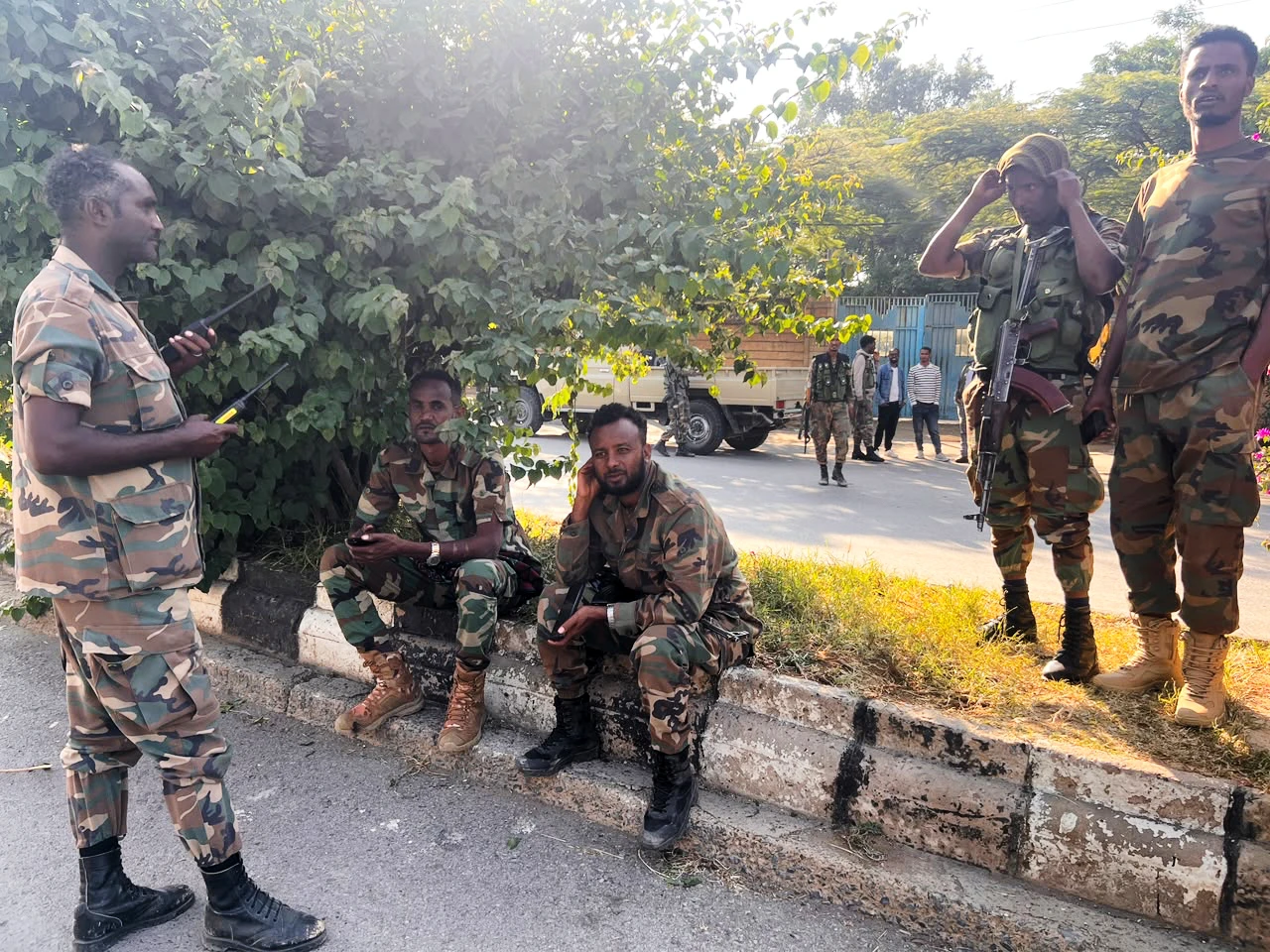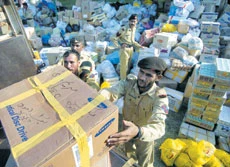
ISLAMABAD, 12 October 2005 — The first food convoys reached the devastated Muzaffarabad city and other quake-affected areas yesterday. Bad weather and heavy rains were hindering the relief work. An army official said the death toll had climbed to more than 35,000 people.
Many bodies were still buried beneath the rubble, and the United Nations warned of the threat of measles, cholera and diarrhea outbreaks among the millions of survivors. The 7.6-magnitude quake on Saturday flattened whole communities, mostly in the Himalayan region of Kashmir.
“The recovery efforts have been slowed by bad weather and large parts of the region are still inaccessible because landslides have destroyed the road network,” the United Nations said in a statement released in Islamabad.
The Pakistani government’s official death toll was about 23,000 people, but a senior army official involved in the rescue operations said that “according to our assessment, the death toll is between 35,000 to 40,000 people.” The estimate matched that of local officials.
Rescue teams, including Britons, Germans and Turks, used high-tech cameras and lifting gear to search for survivors under piles of concrete, steel and wood. Rescuers pulled a teenage boy from rubble in the northern town of Balakot yesterday, 78 hours after the quake.
“He’s alive,” rescuers shouted with joy. People gave food and water to the boy and kissed him on the head. The area where he was rescued smelled heavily of decomposing corpses. A 55-year-old woman and her 75-year-old mother were also rescued from an apartment building in Islamabad that collapsed in the quake.
India said more than 1,400 people died in the part of Kashmir that it controls. India planned to send a planeload of food, tents and medicine to Pakistan.
International aid workers, including Turkish doctors, medics from the group Doctors without Borders and assessment teams from other agencies, were working in the city. But in Muzaffarabad, the effort did not appear to be nearly enough to meet the overwhelming needs.
Bob McKerrow, coordinator of relief efforts for the International Federation of the Red Cross, said in Islamabad late yesterday that 17 trucks had left for affected areas with supplies, including blood for hospitals. He said heavy rains could hamper the relief effort.
“Some of the roads are just being reopened and this rain is not going to help at all,” McKerrow said. “And the possibility of further landslides blocking roads is a threat every minute of the day.” About 10 trucks brought by Pakistani charities and volunteers rumbled into Muzaffarabad with handouts of cooking oil, sugar, rice, blankets and tents.
The quake damaged sanitation systems in the region, destroyed hospitals and left many victims with no access to clean drinking water, making them more vulnerable to disease.
The UN World Food Program began a major airlift of emergency supplies. Japan pledged $20 million in aid and Canada offered $17 million. Other nations also announced donations of money and supplies, including tents, blankets, medical aid and food kits.
— With input from agencies