
THE history of any self-made plutocrat is bound to be a fascinating one, especially for those who tend to fritter their lives in the vain expectation of scooping next week’s Camelot jackpot. “What shall we do with all that lovely money once we’ve got it? Build a castle with our initials cast in stone on the ramparts? Fill a display cabinet with glittering jewels? Set our children and grandchildren up as dynastic millionaires?” The lucky jackpotees of Great Britain are, generally speaking, too timid to entertain such dreams as these and, as the £20m check is put into their soft receiving mitts, they usually announce to the world that their only wish is to pay off the mortgage, take a small party of relations on a beach holiday to Malibu and return to their comfortable homes in the Midlands to resume their normal lives.
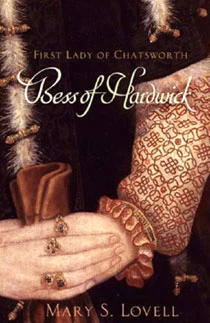
The Tudor subject of Mary Lovell’s utterly absorbing new biography was far more adventurous with her jackpot winnings than our sheepish modern Brit would ever dare to be with his. As the fifth daughter of an indebted, landed family from Derbyshire, Bess Hardwick started life with scarcely a penny to her name but rose to become the richest and most powerful woman in England after Queen Elizabeth I.
Her jackpots took the form of four exciting and serendipitous marriages. For reasons that were not of her own conniving, each of her husbands predeceased her, leaving at his death a substantial fortune in her name. But Bess did not repine nor did she decide, after each new windfall, that a short break in the sun followed by a resumption of “normal life” was all that she needed. By nature she was a mover and a shaker and her ambition was limitless. With her sharp legal skills and acute business acumen she doubled and redoubled her inherited fortunes. She acted as a mortgage broker to her friends and neighbors lending them large sums of money against the deeds to their properties and, in this way, succeeded in increasing her lands by what appear to be thousands of acres a year.
But Bess’s principal motivation seems to have been the predominantly masculine notion of leaving a posthumous mark. This she achieved by the erection of many formidable buildings and eye-catching monuments. Some, like the strikingly impressive Hardwick Hall, still survive. Others, such as her vast, rambling palace at Chatsworth, have long since been destroyed or altered beyond recognition. To build them she set up glass factories, stone quarries and lead mines, each of which she turned into profit-making businesses, before stripping them of their assets and flogging them off at inflated prices to gullible aristocrats.
Her determination to leave behind a dynasty of powerful descendents was also highly successful. When Queen Elizabeth died in 1603, Bess’s granddaughter, Arbella Stuart, found herself second in line to the throne. Alas for Bess, we never had a Queen Arbella, but how proud she would have been had she known that the next best thing, our very own Camilla, is one of her descendents and so too is her proud husband, Prince Charles -- through this connection Charles and Camilla are ninth cousins -- and there is hardly a duke to be found in the land who cannot claim descent from this remarkable woman.
It does not seem to matter that in Bess’s clamber to the top she succeeded in alienating many of her own best friends (including Mary, Queen of Scots), most of her children, her once favored granddaughter and her last husband (George, Sixth Earl of Shrewsbury) who died in the firm view that she was a malicious, money-grabbing witch. Mary Lovell holds a contrary opinion and argues it convincingly. The Earl of Shrewsbury, she tells us, was mental; Bess’s children driven by their own petty jealousies. In Bess’s defense, the author has trawled through every fading account book to reveal the hitherto unspotted extent of Bess’s phenomenal generosity toward her family, friends and the poor of England.
This then is not only the longest, and the most thoroughly researched, but also the most complimentary of Bess’s biographies to date. I expect it will also prove the last, as Mary Lovell does not appear to have left a single stone unturned. Of course Bess was a hoarder and her vast power inevitably brought her into conflict with many of her contemporaries but Ms. Lovell has written one of those biographies in which the reader really doesn’t want the subject to die. By the end, I felt as close to this extraordinarily plucky, wan-faced lady as Queen Elizabeth, who once proclaimed of Bess, “I assure you, there is no lady in this land that I better love and like.”