JEDDAH, 17 October 2005 — Saudi Arabia intends to increase the number of its regions to improve services to its growing population, Interior Minister Prince Naif announced yesterday.
“A study on this matter will be completed shortly and will be presented to higher authorities,” Prince Naif told reporters late Saturday night.
Prince Naif did not give further details of the new regions, but a previous report carried by Arab News said the plan was to establish five more regions bringing the total to 18. The report said the greater Riyadh region would be divided into three — Riyadh, Sudair and Dawadmi — and two more regions will be formed in the Northern Province and one in the Southern Province.
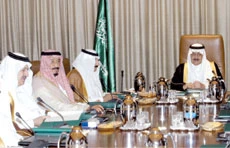
In his wide-ranging news conference after presiding over a meeting of regional governors in Jeddah, Prince Naif also stressed plans to expand the powers of regional governors.
He said the government would soon establish a supreme commission to supervise the collection and distribution of Zakah. Authorities have already set up a high-level committee to revise the current Zakah system.
Referring to security ties with Iraq, he said Baghdad had failed to send a security team as agreed in July to discuss security cooperation between the two neighbors.
“When we met during the meeting of interior ministers of countries neighboring Iraq in Istanbul (in July), I and the Iraqi interior minister... agreed on security cooperation and the creation of a security team that would come from (Iraq) and meet with security officials in the Kingdom,” Prince Naif said.
“No one has come yet and we haven’t been contacted by the Iraqis on the issue,” he said. Iraqi Interior Minister Bayan Baker Solagh said last week that he would send a delegation to Riyadh “to reach a memorandum of understanding on security issues.”
Prince Naif described Solagh’s anti-Saudi tirade last week as “misplaced and unjustified” but noted that the Iraqi minister had backtracked on his remarks.
Prince Naif also spoke about a government plan to open clubs for sports and intellectual activities in all cities of the Kingdom with the private sector’s support. He asked regional consultative councils to give their opinions and proposals on these clubs within three months.
Asked about the situation of Saudi prisoners in Guantanamo, Prince Naif said: “We are still following up their cases with US authorities.” Washington had promised to release a large number of Saudi prisoners, he added.
He explained the government’s efforts to change the mind of extremists and militants under detention, by arranging meetings with Islamic scholars to correct their mistaken views. “The program was instrumental in convincing a number of them,” he pointed out.
He said intensive patrolling on the Kingdom’s northern border had reduced the number of infiltrators. However, he admitted that many intruders were entering the country through the southern border by exploiting the difficult terrain there.
Prince Naif said there was no plan to appoint women to the Cabinet. “But other positions in women’s service sections are open to them.”
He said the ministry had taken measures to prevent the return of deported overstayers. He also said the Kingdom plans to send back Burmese refugees to their country.