
RAMADAN is the month where all the Arabian and Islamic traditions come to the forefront. When the traditions from 17 countries meet at one place, the spirit of Ramadan becomes even more vivid.
Saudi Arabia, Lebanon, Iran, Pakistan, India, Yemen, Sudan, Egypt, Indonesia, Senegal, Egypt, Morocco, Brunei, Jordan, Palestine, Turkey and Tunisia all took part in “Ramadan Around the Islamic World” at the Intercontinental Hotel in Jeddah. The event was a confluence of traditions portrayed through fashion, food and many other items displayed. Each country was represented at a stall staffed by people with different languages and accents; however, they shared a single theme, which was how Ramadan is observed.
Each stall offered traditional Ramadan food from its respective country to anyone wishing to partake. The Moroccan table presented harira soup and pastries with Moroccan names like, msamman, shabkia and katayef. Whereas the Yemeni table offered their special raisin drink and pastries, such as bint alsahn, which is literally translated as the daughter of the plate.
The sounds of Ramadan echoed through the exhibition as some portrayed Musaharati, who wake people for the late meal during Ramadan, called suhur.
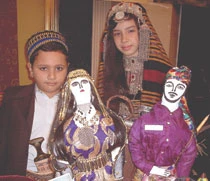
The exhibition was vibrant with colorful fashions from the various countries. Children of each country wore traditional costumes. A Pakistani boy and girl dressed in white, the boy in a shalwar (loose pants) and qamees (long shirt) and the girl in a wedding costume with a tarha (veil) over her head. She also had traditional henna drawings on her hands. Young Iranian girls wore modest garb in keeping with their country’s conservative values. As for Yemenis, the dagger is a symbol of men’s formal outfit. A young Yemeni boy and girl were dressed traditionally, the young boy with a formal dagger, and silver jewelry on the girl’s head and neck.
The Senegalese girl was distinguished by the golden coins that surrounded her neck and were sprinkled on her hair.
Visitors learned much about the varied traditions of Ramadan.
“Without reading books or watching programs on how Ramadan is spent in each Islamic country, through this exhibition we took a short trip to visit all these countries during Ramadan without actually traveling to them,” said Maha, one of the Saudi visitors. “Creative traditions and delicious food were the keys to create a picture of Ramadan in every country,” she added.
The Prophet Muhammad, peace be upon him, urged all the people of the world to get to know one another; the presenters and the visitors surely were taking his advice.