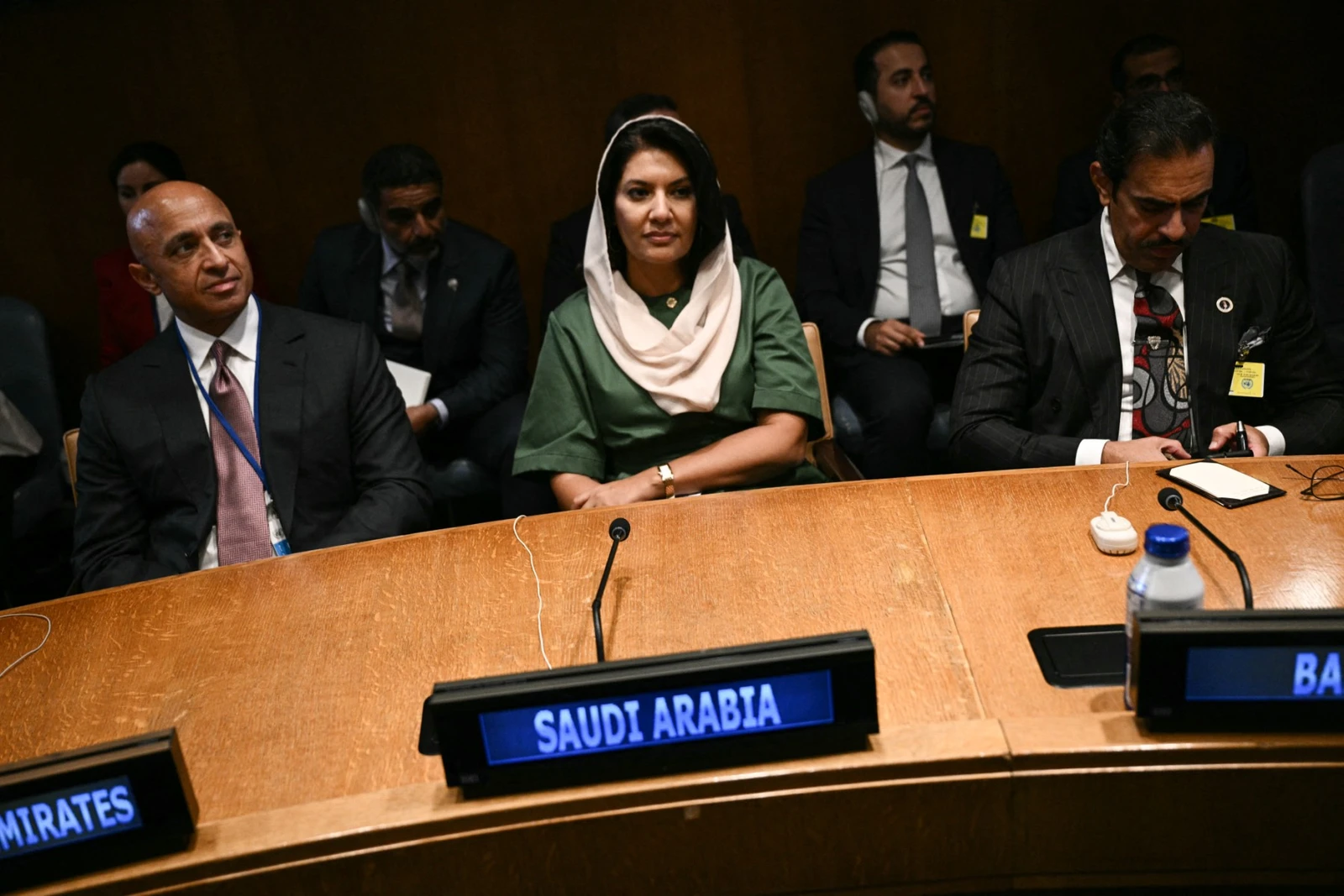
JEDDAH, 15 August 2006 — Saudi Arabia yesterday warned against linking Muslims with terrorism and fascism without considering the history of Islamic civilization. Referring to a recent statement by US President George W. Bush branding Muslim extremists as “Islamic fascists,” the Council of Ministers said terrorism has no religion or nationality.
“What Islam is accused of today is a Western cultural product like fascism,” the Saudi Press Agency quoted the Cabinet as saying.
The Kingdom also told Israel and its supporters that war and aggression were not the solution to the Middle East crisis. It also urged steps to overcome ideological differences in Muslim countries that have been exploited by enemies to create division and gain dominance.
“The destructive Israeli aggression on Lebanon and the malicious violations committed by the Israeli government in the Palestinian territories prove that the solution to the region’s problems cannot be found in wars and aggression,” the Council of Ministers said in a statement after its weekly meeting.
The Cabinet meeting, chaired by Custodian of the Two Holy Mosques King Abdullah, emphasized that Israel would fail to find a solution through war “whatever be the strength of its military machinery and whatever support it receives in terms of weapons and finance and at international forums.”
The Kingdom reiterated its call for the establishment of an international counterterrorism center to fight global terrorism. King Abdullah proposed the formation of the center while opening an anti-terror conference in Riyadh last year to exchange information and promote cooperation against terror.
Earlier, the king briefed the ministers on the outcome of his historic visit to Turkey where he met with President Ahmet Sezer, Prime Minister Recep Tayyip Erdogan and other senior officials and discussed major regional issues such as Iraq and Lebanon.
Culture and Information Minister Iyad Madani said the Cabinet emphasized the importance of strategic Saudi-Turkish relations as the two countries have moderate views and pursue good relations with world powers.
“They are also against attempts to create divisions in the region,” the Cabinet said.
The Cabinet meeting stressed the need for overcoming ideological differences in the region and warned that actions outside national legitimacy would spread violence in the region. “This will give (enemies) who wait for an opportunity to implement their plans for division, destruction and dominance.”
Madani said the Cabinet also took a number of decisions to promote political and economic cooperation with other countries. It approved alteration to the first paragraph of Article Three of the Bilateral Aviation Agreement with the UAE. “Both parties can appoint one or more air carriers to operate on the routes agreed upon,” the altered article said.
The Cabinet authorized Amr Al-Dabbagh, governor of Saudi Arabian General Investment Authority (SAGIA) or his deputy to sign an agreement with Uzbekistan for investment promotion and protection. The meeting also reviewed progress of work in 63 projects to establish technical institutes and vocational training centers in various regions. King Abdullah urged authorities to complete the projects as quickly as possible.