BEIRUT, 17 August 2006 — Hundreds of people went from one room to another at a makeshift registration center in a high school yesterday, reporting damage to their homes from Israeli bombing to Hezbollah agents with pen and notebooks. The officials promised to help them rebuild.
Tens of thousands of people have returned to their shattered villages in eastern and southern Lebanon as well as Beirut’s southern suburbs, or Al-Dahiyah, to find their homes either damaged or totally destroyed in a month of fighting between Israel and Hezbollah.
Hours after a cease-fire went into effect Monday, the leader of the Shiite group, Sheikh Hassan Nasrallah, appeared on television and promised to help Lebanese rebuild, pledging money for civilians to pay rent and buy furniture.
Nasrallah said 15,000 housing units were hit during the war, and his group’s bid to play a central role in reconstruction could further boost its standing after it declared victory over Israel.
Salim Kenaan went into one of the rooms at the Haret Hreik Public High School and looked at signs on the wall. The one on the left read “Damaged” while that on the right read “Destroyed.” He gave his name, address and telephone number to the man sitting under the sign on the right. “We will contact you soon,” the Hezbollah member who took the information told Kenaan. “My house was totally destroyed. After I heard Sheikh Nasrallah’s speech, I started looking for an apartment,” Kanaan said.
In the southern city of Tyre, Hezbollah’s commander in south Lebanon Nabil Kaouk promised yesterday to rebuild the war devastated region and compensate those whose homes had been destroyed.
“We want to bring south Lebanon back to its real life and to rebuild it better than it was before the war,” said the white-turbaned fighter as he stood in front of the demolished building that used to house his office and was destroyed during the war.
He said Hezbollah estimates that it will take one year for people to rebuild their home and in the meantime the organization will cover their rental costs. Hezbollah assistance will not be funneled through the federal government, said Kaouk.
Hezbollah is collecting such information throughout the country and the cost of rebuilding homes is estimated at hundreds of millions of dollars. Hezbollah’s social support network is a main reason for the loyalty it commands among Lebanon’s Shiites.
The Hezbollah official in charge of the center in Haret Hreik said he does not have an exact number of how many people have registered for help. The man, who asked that his name not be used for security reasons, said some 190 buildings were destroyed and about 90 heavily damaged in Beirut’s southern suburbs. He said people whose homes were totally destroyed will get money for one year of rent as well as for new furniture. Those whose homes were damaged will either fix it themselves and then collect money, or Hezbollah will send workers to do the job.
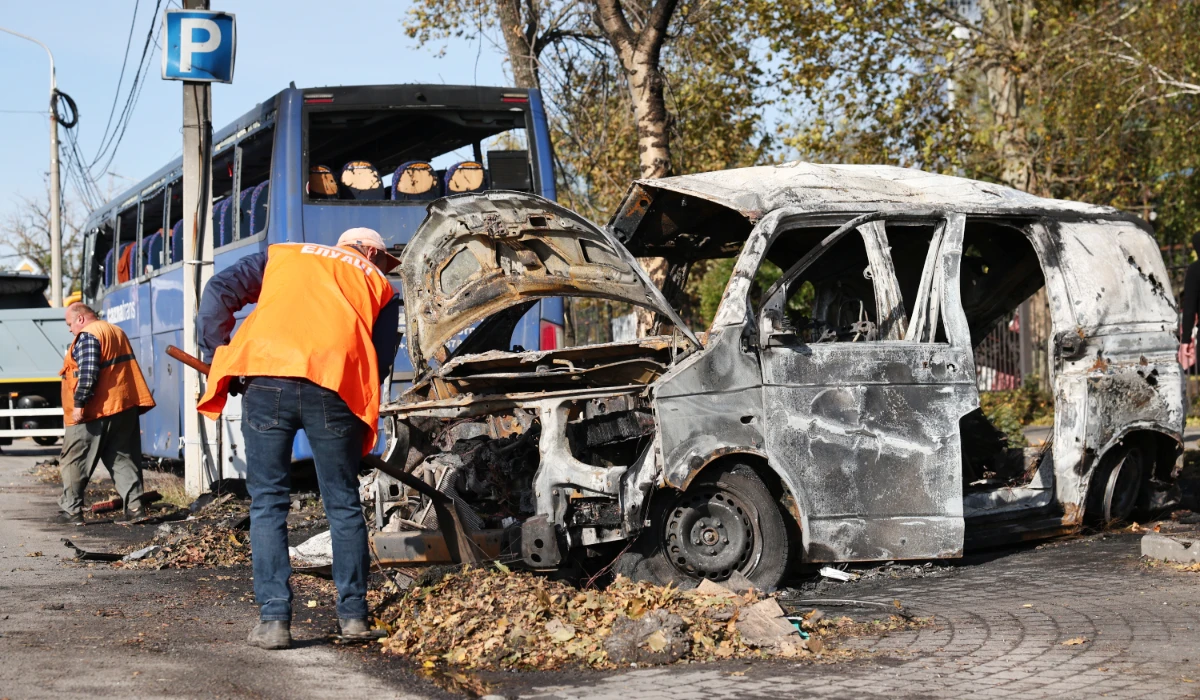
Hundreds of workers were in the streets of Al-Dahiyah yesterday, clearing streets and removing rubble. Some areas were completely closed by Hezbollah members for fear of theft and only residents were allowed to enter after getting special passes.
Ahmed Al-Mileeji, a 67-year-old Palestinian who has lived in Haret Hreik since 1979, registered to get compensation for what used to be his house near Hezbollah’s Al-Manar television station.