JEDDAH, 7 September 2006 — Education Minister Abdullah Bin-Obaid held a meeting yesterday with the men and women education supervisors and school principals in Jeddah — two days before the beginning of the school year — to hear and discuss issues and concerns. For some the meeting did not meet their expectations.
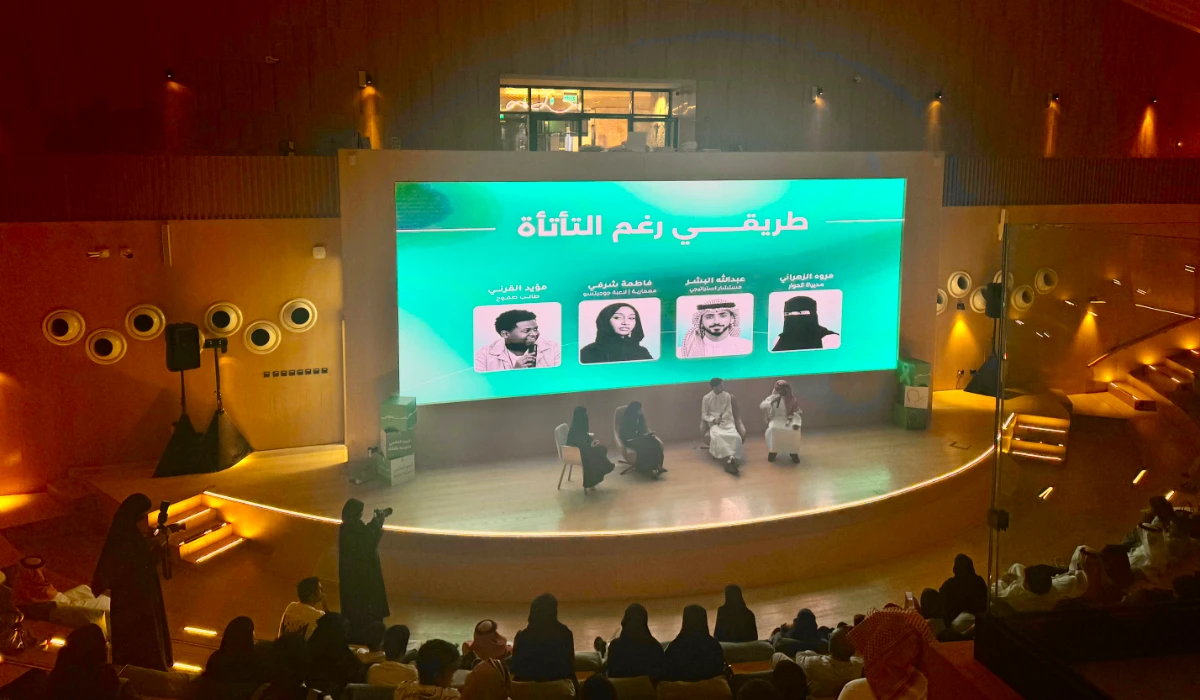
The minister arrived late at the men’s auditorium at the Education College, with the women watching in their auditorium at a separate building through closed-circuit television, and said in his opening statement that he did not have any new ideas to present, but rather was there to exchange ideas and hear from them.
The questions the men and women educators asked of the minister, alternating between the gender-segregated auditoriums, covered a wide range of issues, but many said they did not think the minister addressed their queries adequately or convincingly.
Meanwhile, student registration in public schools has been chaotic in the past few days because of the late and overwhelming number of students registering. Many schools are reporting that they will be unable to accommodate all of the latecomers.
The educators began arriving at the separate auditoriums at the Education Colleges for the men and women at 9 a.m. because the meeting was supposed to start an hour later and last until noon. The minister arrived at 11:20 a.m. and the meeting lasted for an hour. Many of the educators felt like they had been snubbed.
“I’m disappointed... I don’t think the meeting fulfilled its purpose,” said a woman principal who did not want her name published. “First, he arrived late and he didn’t say anything new. Second, the sound system was bad (in the women’s section) and we could barely hear anything.”
However, Samia Binladin, the director of Girls Education Department in Jeddah, said that the meeting was a success and a result of long hours of preparation.
The questions addressed evaluation procedures of staff, working hours during Ramadan, recent changes to the curriculum, a teachers’ association, health insurance and services for educators, student health care and improving the ministry’s media and communications department.
The minister admitted that there is much injustice in evaluating job performances where there is some favoritism and indiscrimination between those who deserve bonuses and those who do not. It is a problem that is not easily solved and depends on the evaluators’ ethics, he said. He also dismissed the need for a teachers’ association, saying that the ministry is already performing the duties of addressing the needs and concerns of teachers.
On the other hand, he assured them that the ministry is in the process of reaching an agreement regarding health insurance coverage for everyone working at the ministry, whether Saudis or expatriates.
Changes and improvements to the curriculum is another issue that the ministry is continuously working on but there have been some setbacks over the years, said Bin-Obaid.
“There is a focus now on science subjects in order to meet the country’s needs in the technical and practical fields,” he said.
The ministry is also in talks with the General Organization for Technical Education and Vocational Training to coordinate their curriculums so that students failing in the regular schools can easily get a transfer to the technical and vocational schools without wasting too many years struggling in one and starting all over in the other.
“The comprehensive education development project began 13 years ago, and every time it is ready for launch we decide to postpone it,” he said. “We cannot jump into major changes without being prepared at every stage. The vision for each subject and every group is not complete.”
He gave an example of introducing English in the sixth grade and introducing electronic education in high school, which failed because they were not able to adequately evaluate the efforts done so far.
“There are differences in approaches and perceptions between the different committees and the authors of the books,” he said. “However, meetings are being conducted now among the committees for education development and an overall meeting for all of them will be held soon. There is a real challenge to quicken the process because the current mechanism is ineffective.”
Some complained about working until almost the last days of Ramadan but Bin-Obaid said work is a duty and there should be no difference between the working days of all government institutions in order to unify the vacations.
He also said that students’ health is of concern to the ministry and they are working on providing healthier meals in schools, increasing the number of health units in every district, and having a health care provider in every school.