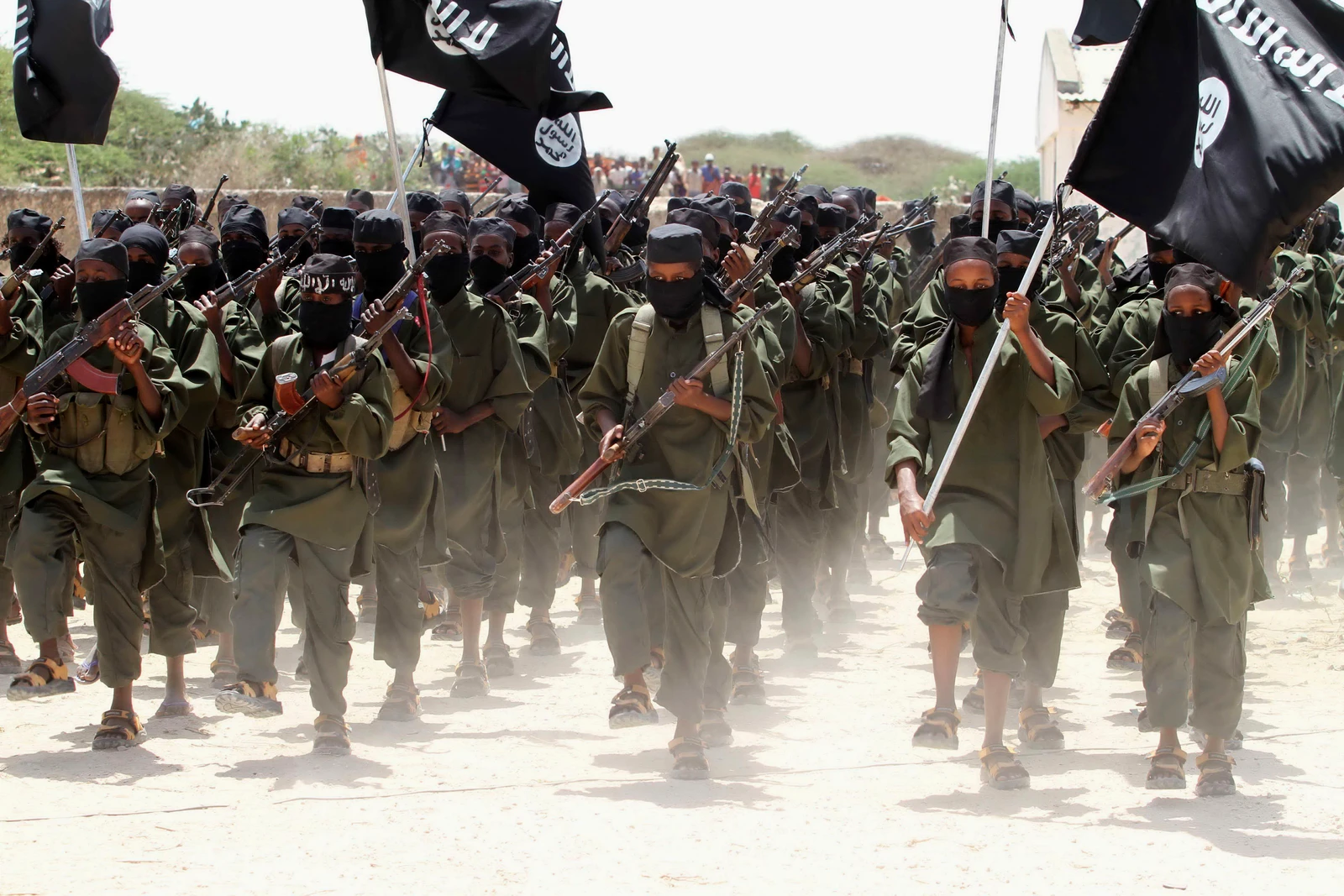
SPIN BOLADAK, Afghanistan, 10 September 2006 — NATO forces battled Taleban holdouts in the deserts of southern Afghanistan yesterday amid a security crackdown in the capital after at least 16 people were killed by a suicide bomber. Ali Shah Paktiwal, head of the police crime bureau, said officers were checking every main intersection in Kabul after Friday’s blast near the US Embassy, which killed at least two American soldiers.
Kabul was relatively quiet yesterday after the worst suicide attack on the capital since the Taleban fell in 2001. A resurgent Taleban have mounted daily attacks during the summer, primarily against foreign forces in the south where NATO took over security from the United States at the end of July.
NATO says it has killed more than 300 insurgents and cornered hundreds more since it launched its biggest offensive against the Taleban a week ago. The Taleban deny the figures. “A week has elapsed since the launch of NATO’s operation and the Taleban are ... putting up tough resistance,” the Taleban’s chief spokesman, Abdul Hai Mutmaen, told Reuters by satellite phone from an undisclosed location.
“NATO has failed to crush the Taleban’s resistance despite its fierce and continuous air as well as ground attacks since the start of the operation,” he said.
Coalition forces said in a statement late on Friday that foreign troops had killed another 20 insurgents in and around Panjwayi district in the southern province of Kandahar.
Alliance leaders meeting in Poland yesterday agreed they needed more troops and fewer nationally imposed limitations on the use of their forces to fight the insurgents. Many military officials and analysts say the fighting in Afghanistan is now heavier and worse than Iraq.
No pledges of extra troops were announced after two days of talks in Warsaw but NATO officials said national defense chiefs had agreed to consult with their capitals on reinforcements to tackle fiercer-than-expected Taleban resistance.
“Our collective assessment is that we are satisfied with military-related progress to date, particularly in the north and in the west but less so in the south,” Gen. Ray Henault, the Canadian general who chaired talks among national defense chiefs in Warsaw, told a news conference.
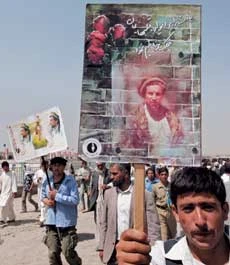
Meanwhile, Afghanistan commemorated yesterday the 2001 assassination of anti-Taleban hero Ahmed Shah Massoud. President Hamid Karzai and other top government officials, including some of Massoud’s closest associates, were among hundreds of people gathered in the city’s stadium for a day of speeches and songs to glorify the national hero.
Massoud was assassinated on Sept. 9, 2001, when suicide attackers believed to be from Al-Qaeda detonated a bomb-filled television camera while pretending to interview him. The Sept. 11 attacks blamed on Al-Qaeda occurred two days later.
Referring to Friday’s suicide blast at a roundabout called “Massoud Circle” — named after the commander — Karzai acknowledged that Afghanistan was still plagued by violence five years after the resistance fighter’s killing. But he said “the enemy should know that every Afghan son is ready to die for the independence and freedom of this country.”