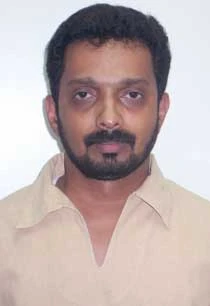
DAMMAM , 23 September 2006 — Abraham Valiyakala is a well-known face among the Keralite community in the Eastern Province. This is a result of his selfless services for the downtrodden.
Abraham is an anchor for Kairali, the popular Keralite television channel. He is also the chief patron of Navodaya, a cultural organization of Keralites, which has 10,000 members in the province.
In an interview with Arab News, Abraham announced his organization’s plan to open educational centers in the Eastern Province in association with Indian universities and with the support of Saudi authorities.
“Some Indian universities have expressed their willingness to start their centers in the Kingdom,” said Abraham.
During the historic visit of Custodian of Two Holy Mosques King Abdullah to India earlier this year, the two countries signed a number of agreements, including one to promote cooperation in education.
“Education in Saudi Arabia is very expensive and Indian universities can provide quality education with lower tuition fees,” he said.
Abraham, who also manages Rawag Media Production and Marketing and is a business coordinator of the Kairali Channel, has produced a number of TV programs focusing on expatriates in Saudi Arabia.
Abraham, who has been working in the Kingdom for the last decade, considers Saudi Arabia his second home.
“The life of Indians in the Kingdom is more peaceful than back home,” he said.
He praised the Kingdom’s labor-friendly regulations and urged authorities to take action against those sponsors and employers who violate the rights of their workers.
Abraham called for greater cultural interaction between Saudis and Indians.
“We have to establish an Indo-Saudi cultural center in order to promote cultural relations and help our peoples to know each other,” he said. “Promoting culture, trade and investment between the two countries will enrich the community.”
Abraham emphasized the role of non-resident Keralites (NRKs) in the development of their state, and suggested that NRK funds should be invested in industrial and other constructive sectors back home.
“The LDF government’s move to start a company to make use of NRK funds will change the face of Kerala,” he said. “If the government provides enough guarantees, the NRKs will definitely put their money in the proposed investment fund.”
Abraham said he wanted Saudi authorities to be more considerate to expatriates to help improve their social life.
“The majority of Indians here belong to the labor class,” he said. “They miss their social life as they visit their home country after a long time. They rarely get a chance to interact with one another and share their problems. The ignorance about laws frightens them and makes them feel insecure. The inability of the Indian Embassy to tackle their problems efficiently makes things worse for them.”
He said that the Indian Embassy could do a better service to the community by coordinating their efforts with NGOs.
“It should consider providing legal assistance to the downtrodden workers as its mission,” he said.
The embassy’s cultural wing should create platforms in association with Indian cultural organizations in the Kingdom, he added, suggesting that schools under the embassy should also work as cultural centers of the community.
Speaking about Navodaya, he said it is a social and cultural organization. “We support not only our members but also our compatriots in need by providing them with much needed legal, medical and educational assistance. We are planning to assign law firms to support our people in trouble,” he said. “An institute to teach Arabic and English is also in the pipeline.”