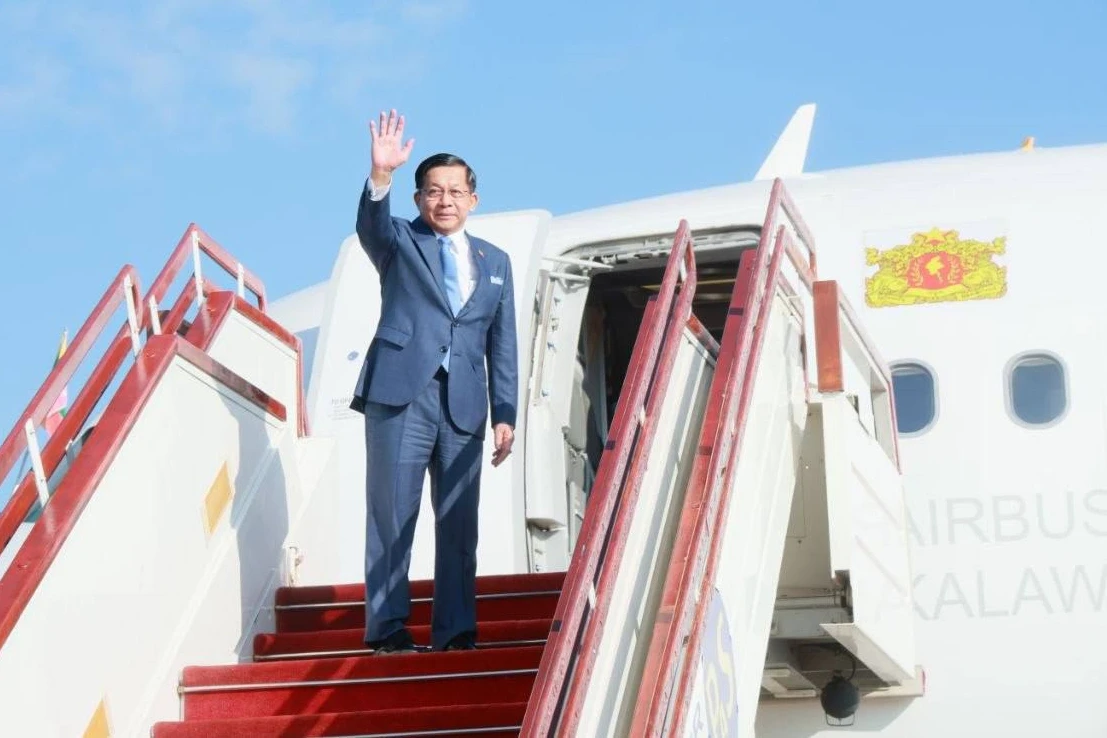
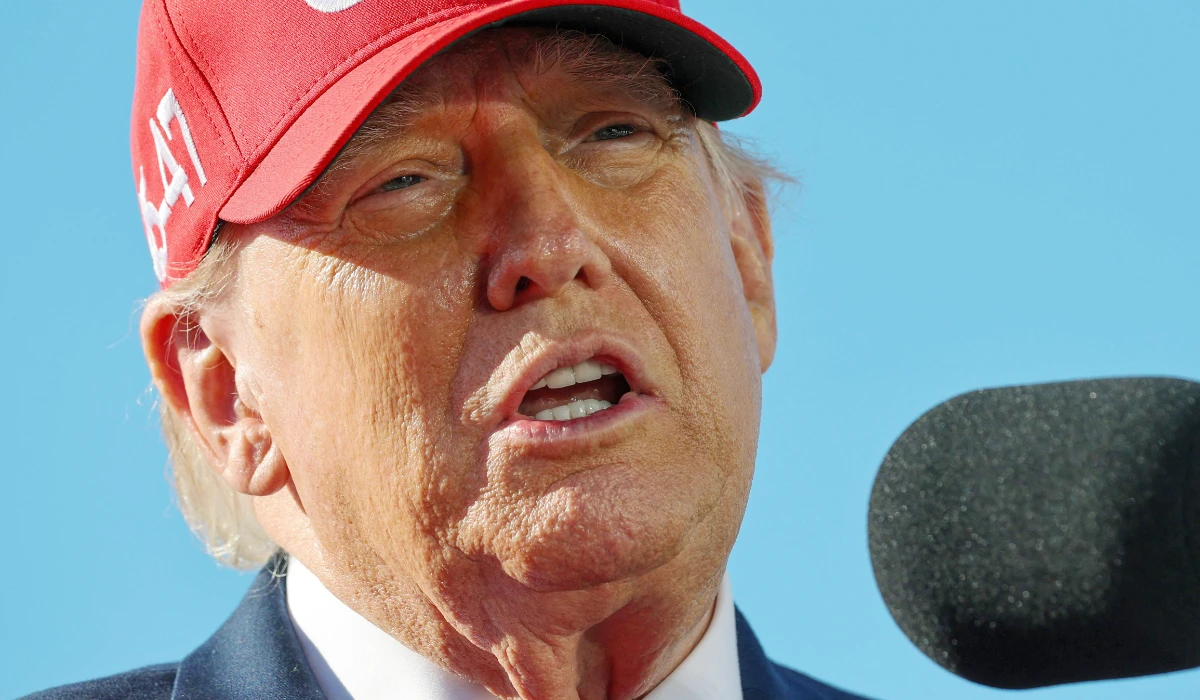
NEW DELHI, 20 November 2006 — President Hu Jintao, accompanied by his wife Liu Yongqing and a large delegation of businessmen, begins his four-day India visit today. He is the first Chinese head to visit India in a decade. While Jiang Zemin, the first Chinese president to visit India, was here in 1996, Premier Wen Jiabao’s visit took place last year.
Setting the stage for Hu’s visit, Chinese Ambassador Sun Yuxi has voiced guarded support to India’s quest for civil nuclear energy. Rejecting perceptions that the Indo-US nuclear deal was aimed at containing China, Sun said: “It is only speculation, some thinking of legacies of the Cold War.”
He described the Indo-US nuclear deal as a bilateral issue. Referring to India’s nuclear drive, he said: “Every country has the right to develop energy in any form, including nuclear, to meet its development needs.”
Suggesting that China is more concerned about nuclear nonproliferation, Sun said: “Anything which can strengthen nonproliferation effort should be welcomed by the international community.”
Despite India and China still a far way from reaching settlement on certain issues, attempts are being made in both New Delhi and Beijing to highlight the significance of Hu’s India visit. In Beijing, Chinese Foreign Ministry spokeswoman Jiang Yu said: “Chinese and Indian leaders will send a signal to the whole world that the development of China and India will not only bring about opportunity to the two countries, but also make contribution to world peace, stability and development.” Along the same line, India’s External Affairs Minister Pranab Mukherjee has said that there is “enough space” for both countries to grow and engage in a relationship of mutual benefit.
Keen on strengthening economic ties between the two countries, Sun laid stress on the need for mutual dismantling of trade barriers to enable bilateral business to grow faster. Asking India not to “discriminate” against Chinese companies, Sun said: “There should not be discrimination against Chinese companies. We understand that every country has security concerns, but if you allow other foreign countries in any area, Chinese companies should be treated equally because we are friends and partners.”
Hu’s visit is to be marked by the signing of an investment promotion and protection act and 11 other accords in diverse fields. However, India is unlikely to agree to China’s demand for it to be granted market economy status, even though Hu is likely to press for it. “At the recent meeting of the joint working group of officials on both sides, the demand from China was examined again and rejected,” official sources said.
Though a decades-old border dispute will be discussed between Hu and Prime Minister Manmohan Singh, it will not be the main issue. New Delhi recently rejected Chinese envoy’s remarks reiterating Beijing’s claim over the whole of Arunachal Pradesh.