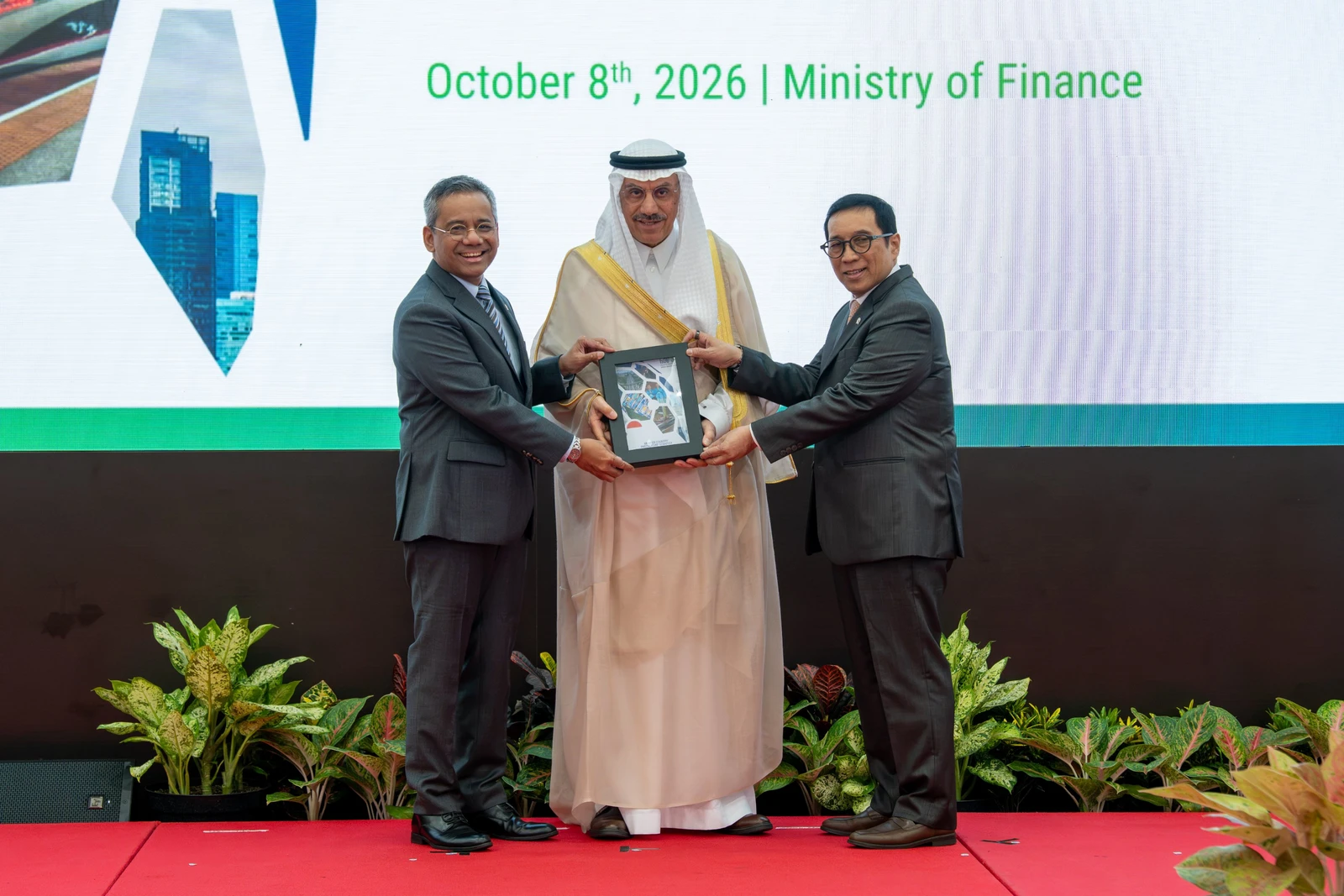
ALGIERS, 11 January 2007 — UN nuclear watchdog chief Mohammed El-Baradei called for a negotiated end to the Iranian and North Korean nuclear disputes, Algeria’s stated-owned El-Moudjahid newspaper reported yesterday. Asked about Iran and North Korea, Baradei, who is on a visit to Algeria, replied: “In my opinion these questions can only be solved through direct negotiations between the parties concerned.”
The director of the International Atomic Energy Agency also spoke of “creating a climate for bringing the concerned parties to the same table of negotiations in Iran or in North Korea,” El-Moudjahid said. Baradei was speaking to Algerian reporters after meeting President Abdelaziz Bouteflika on Tuesday on the sidelines of a conference on the peaceful uses of nuclear energy in Africa.
Iran is pursuing a nuclear fuel program with the stated goal of producing electricity. The West sees it as a cover for building atom bombs since it has impeded IAEA inquiries. In the light of this, and Tehran’s calls for Israel’s destruction, the UN Security Council imposed some sanctions on Iran last month for failing to heed a UN demand to suspend its efforts to enrich uranium for atomic fuel.
Diplomats regard Iran’s nuclear ambitions as a serious bomb proliferation risk. Gulf Arab countries, which are uneasy neighbors of Iran, say they will pursue nuclear power, too. Diplomats close to the IAEA say Baradei fears sanctions were imposed before chances for a negotiated deal were exhausted and could eventually drive Iran to bar UN inspectors and leave the nuclear Non-Proliferation Treaty.
Iran says it has a right assured by its membership of the NPT to enrich uranium for civilian nuclear power. It denies any intent to divert enrichment work into bomb making. North Korea incurred world condemnation for conducting a nuclear test explosion on Oct. 9 but has since agreed to return to six-party disarmament talks it had boycotted for a year.
In a speech to the Algiers conference on Tuesday, Baradei called for a world free of nuclear weapons, saying those held by nine countries could “end life as we know it.”