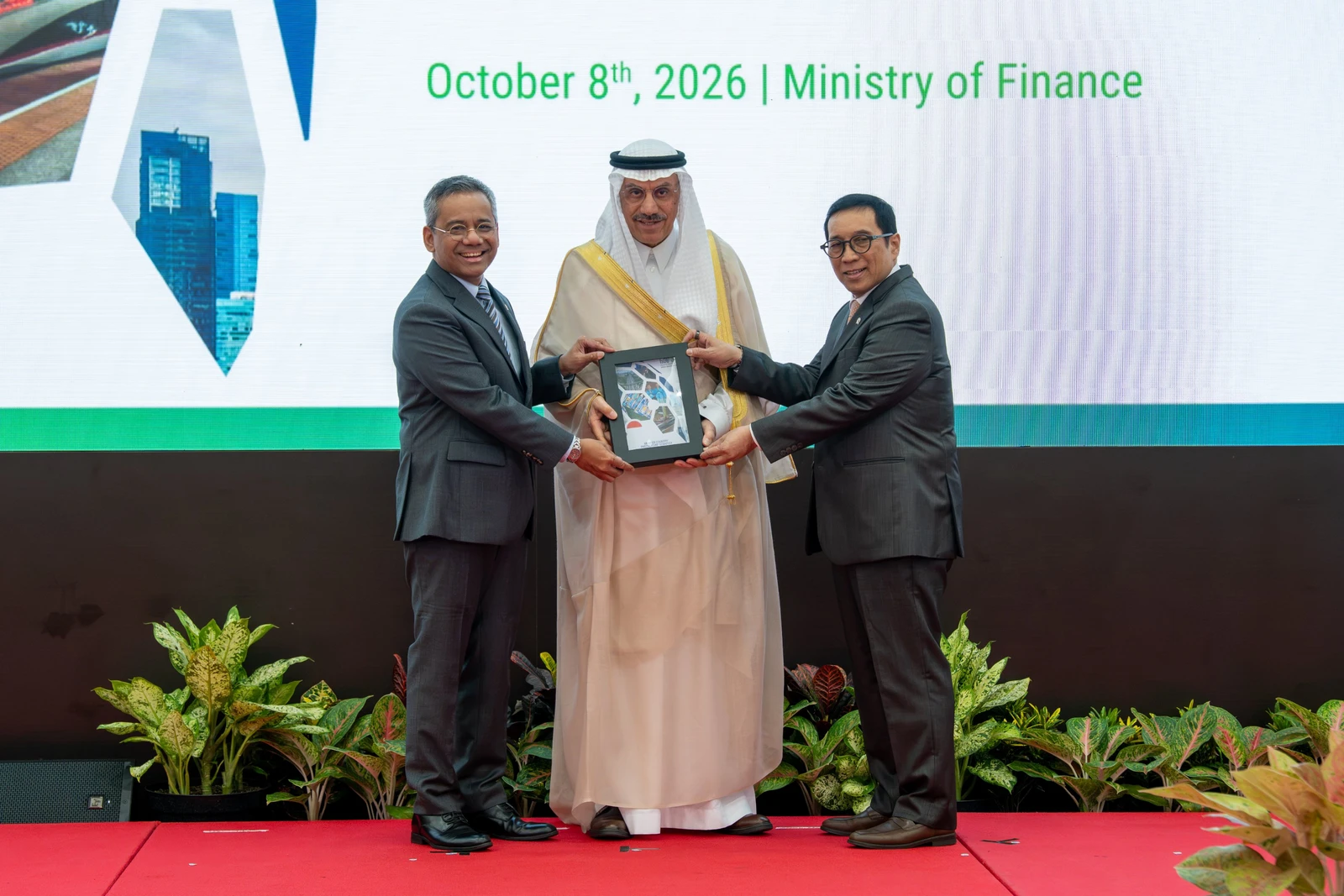
NEW DELHI, 15 February 2007 — The foreign ministers of India, China and Russia yesterday called for a more balanced world order, while pledging to cooperate on issues ranging from energy to insurgencies after talks in New Delhi.
The three foreign ministers also called for strengthening the United Nations to promote the “democratization of international relations” which was important to building a multi-polar world, according to a joint statement issued at the end of the talks on regional issues.
The pledge came a day after diplomats from six countries, including Russia and China, managed to persuade North Korea to shut down key nuclear facilities within two months in return for badly-needed fuel.
Russian Foreign Minister Sergei Lavrov said he welcomed the “success” achieved with North Korea during talks in Beijing and added that he and his counterparts, India’s Pranab Mukherjee and China’s Li Zhaoxing, had exchanged views on crises in Iraq and Iran as well.
Lavrov said: “The world’s crisis must be resolved through dialogue rather than confrontation.” He said the meeting also discussed Middle East and the Korean problem.
“The economies of all three countries are growing fast,” Li said. “I believe there is great complementarity and potential for tripartite cooperation. We discussed how to widen and deepen cooperation in fields like energy, transport, economy and trade,” the Chinese minister added.
“The three ministers were in agreement that all such disputes should be resolved through dialogue and without the use of force,” said an Indian official who did not wish to be named.
The trilateral talks in New Delhi —which is working on improving ties with Washington and is negotiating a crucial civilian nuclear energy deal with the US — is the sixth such meeting at the level of foreign minister.
The joint statement said the grouping was not aimed against “the interests of any other country” and “intended to promote international harmony” and “find common ground amidst divergent interests.”
The foreign ministers discussed political, economic and security aspects of the global situation, the present world order and recent developments in areas of mutual concern, Mukherjee said. “The three countries feel that their interaction would contribute to strengthening peace, security and stability in our region and the world. There was coincidence of views against terrorism in all its forms and manifestations and on the need to address financing of terrorism and its linkages with narco-trafficking,” Mukherjee added.
Supporting “India’s aspirations to play a greater role in the United Nations,” the ministers agreed that the UN member states should aim to make the world body more transparent, efficient and reflective of contemporary realities.
Expressing concern over the grave threat posed by terrorism, they “agreed that under the central and coordinating role of UN and within the framework of its global counterterrorism strategy collective action must be strengthened by taking into account the mutating character of terrorism and its networks.” With specific reference to suppression of acts of nuclear terrorism, they agreed on an early entry into force of an international convention. They stressed that selective approaches in countering terrorism cannot yield sustainable results and it should be combated in a consistent, sustained and comprehensive manner without any double standards.
With growing international influence, the three countries can make positive contribution to global peace, security and stability, the statement said adding that “cooperation rather than confrontation should govern approaches to regional and global affairs.”