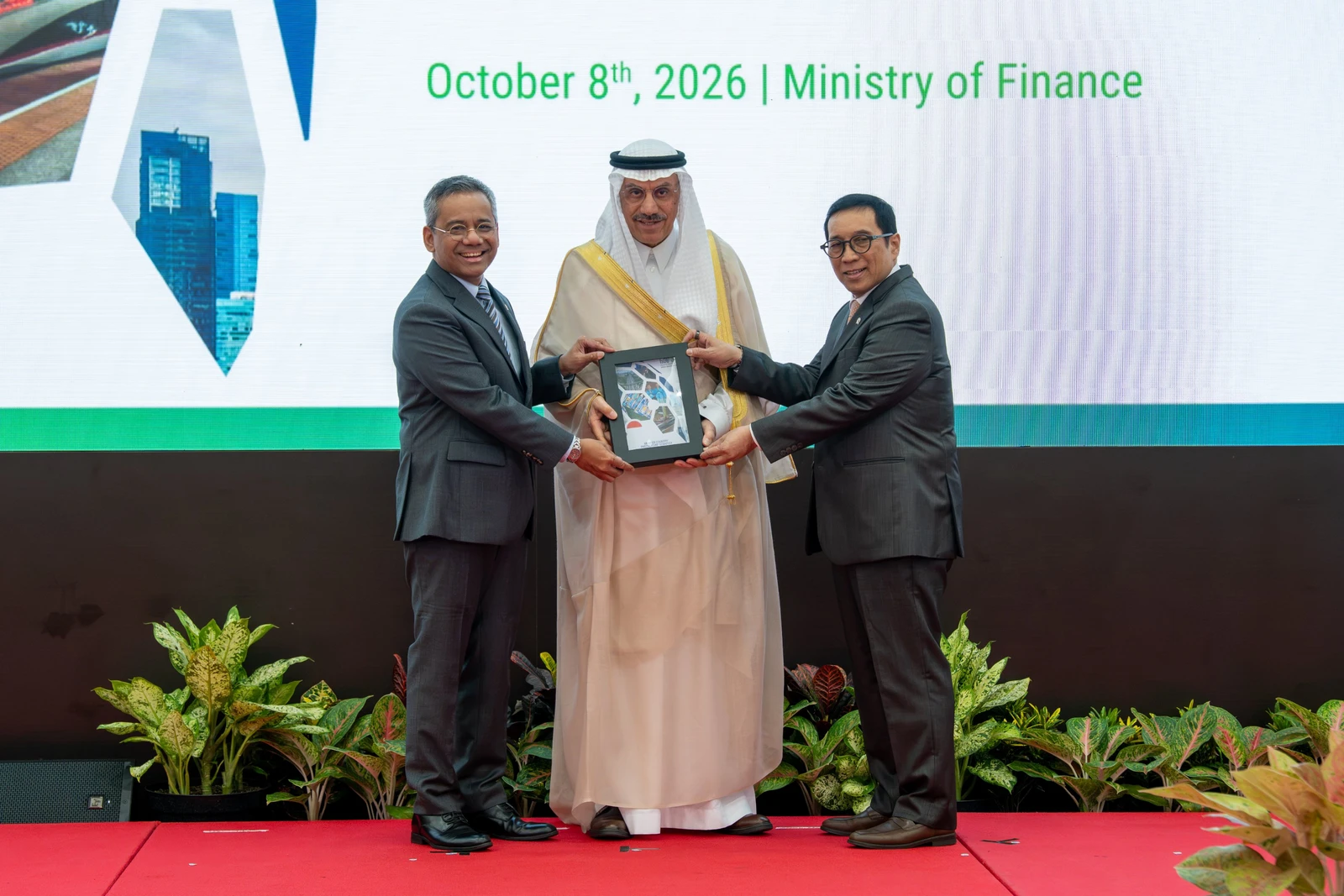
KABUL, 5 April 2007 — Strongmen from Afghanistan’s war-filled past, some of them once staunch enemies, launched a new political coalition Tuesday saying they wanted to build unity in the divided country. About 300 people, many of them key players in the country’s turbulent past, gathered at a ceremony to launch the United National Front with former President Burhanuddin Rabbani as its leader.
The new coalition is perhaps the most significant political group to emerge since the fall of the extremist Taleban government in 2001 set the country on an internationally agreed path to democracy. Coalition member Prince Mustafa Zahir, grandson of ailing former king Mohammad Zahir Shah, said the front would promote unity. “It’s important to bring different people and factions together for peace in the shattered country,” he said at the event attended by heavyweights like ex-Defense Minister Mohammad Qasim Fahim and parliamentary Speaker Yunus Qanuni.
Among its goals is to change the 2003 constitution to allow for political parties to stand for proportional representation in parliament and for the appointment of a prime minister, Rabbani said. The 2005 parliamentary election, the first to be fully democratic, used the “single non-transferable vote” system in which ballots are cast for an individual and not political parties. The next legislative vote is due in 2010.
The president is elected separately. “We are in favor of a parliamentary system under which both individuals and parties could be candidates for election,” Rabbani said.
The new front also wanted governors of the 34 provinces to be elected by direct vote rather than appointed by the president, said Rabbani, a parliamentarian. It would “not work against the government. It will work besides the government for the betterment of the nation,” he said.
Launched on Tuesday, the National Front is largely made up of veterans of the Mujahedeen resistance war against the Soviet occupation of Afghanistan in the 1980s. The front wants to change the constitution so that a prime minister is appointed to share control with the president over government affairs and oversee elections for governors and mayors. “We do not want presidential system,” said Sayed Mustafa Kazimi, a parliamentarian, and spokesman for the National Front. “We want the role of a prime minister in order to improve democracy in our society,” he said.
Rabbani, who led a Mujahedeen government that collapsed in civil war during the early 1990s, is the leader of the party. The former president, a soft spoken Islamic scholar, was a leader of a key faction within the Northern Alliance that helped US-led troops overthrow the Taleban in late 2001, and is now a member of Afghanistan’s lower house.
National Front members talk of seeking reconciliation with the Taleban, stamping out corruption and weaning Afghanistan, the world’s leading producer of heroin, off the narcotics trade.
Disenchantment with Karzai is running high, but many ordinary Afghans will hardly be filled with confidence at the sight of so many former factional commanders banding together in a common front, analysts say, as several of them are regarded as being as responsible as the Taleban for Afghanistan’s current woes.