ISLAMABAD, 30 March 2008 — Spelling out his government’s priorities, Pakistan’s new prime minister yesterday said talks will be initiated with militant groups willing to “join the path of peace” and the judges sacked by President Pervez Musharraf will be reinstated.
In his first policy speech after easily winning a confidence vote in the National Assembly (Parliament), Yousaf Raza Gilani said: “We are facing many challenges, but we are not afraid of these challenges and we will confront them. We are the flag-bearers of peace, freedom, prosperity and enlightenment.”
Parliament elected Gilani on Monday, six weeks after moderate opposition parties triumphed in elections that have restored democracy after eight years of military rule under Musharraf.
Underlining the transformation of Pakistan’s political landscape, lawmakers yesterday gave a unanimous vote of confidence to Gilani, a loyalist of assassinated former Premier Benazir Bhutto.
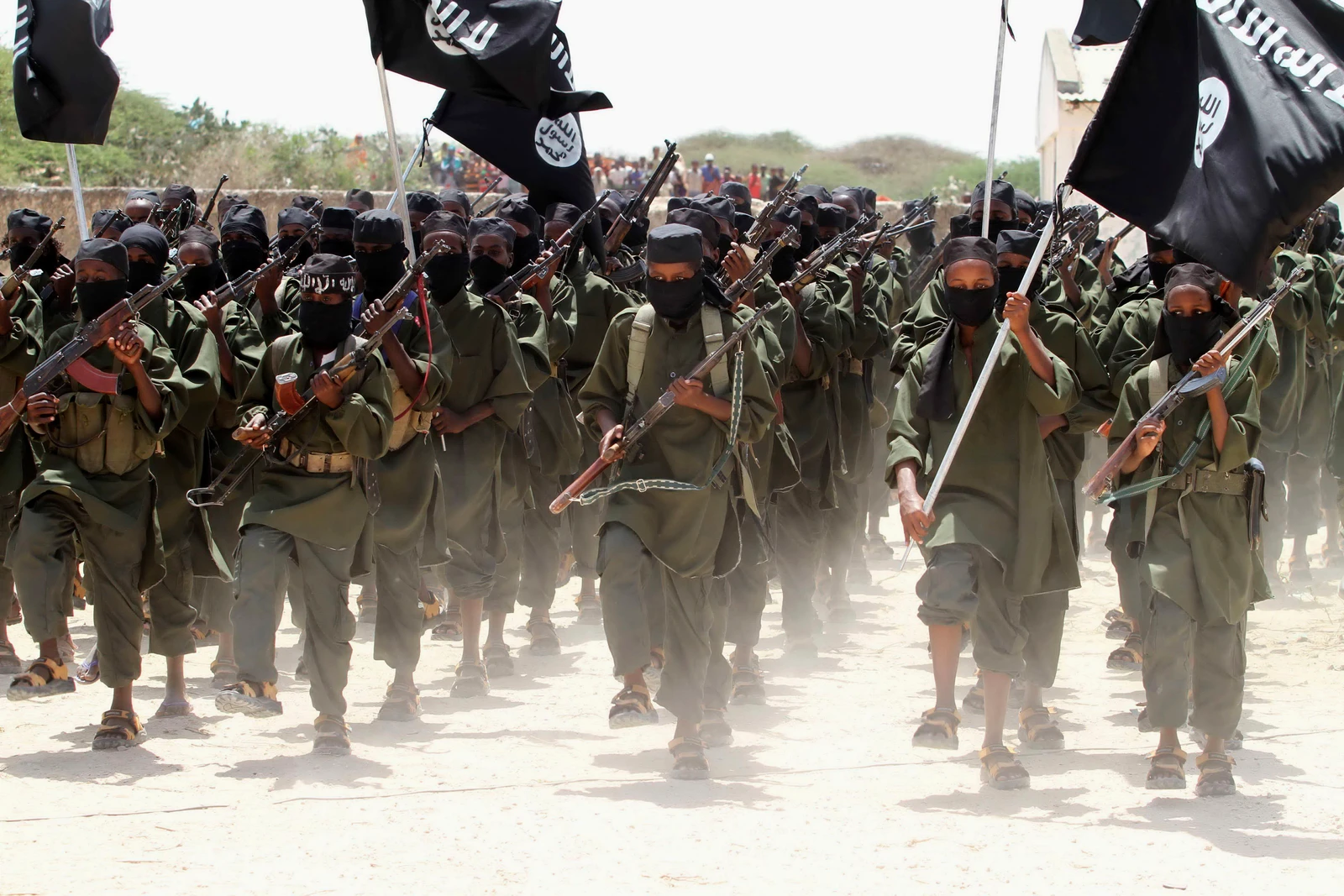
In a gesture to Western nations concerned that Musharraf’s decline could result in an easing of Pakistan’s efforts to counter Al-Qaeda and Taleban militants entrenched along the Afghan border, Gilani said fighting terrorism would be his government’s “top priority.”
“The war against terrorism is our own war,” Gilani told lawmakers, who repeatedly thumped their desks in approval.
But he also said authorities were “ready to hold talks with those who will lay down their arms and join the path of peace.”
Gilani promised to develop the impoverished border region and to abolish criminal codes that date back to British colonial rule and contribute to the area’s isolation and lack of development. He vowed to tighten the regulation of religious schools, some of which are recruiting grounds for extremists.
However, he gave no indication whether his government was prepared to negotiate with hard-core militants blamed for a wave of suicide attacks in Afghanistan and, increasingly, in Pakistan.
US Deputy Secretary of State John Negroponte cautioned Thursday during a visit to Pakistan that some militant groups were “irreconcilable” and had to be fought.
24-Member Cabinet Agreed
Bhutto’s Pakistan People’s Party and that of former Prime Minister Nawaz Sharif finished first and second in Feb. 18 parliamentary elections, trouncing Musharraf’s political allies. They have agreed to form a coalition but have yet to announce any of Gilani’s Cabinet ministers.
A list of 24 names has been agreed by a committee comprising members of both parties. According to coalition sources, initially a 24-member Cabinet will take oath. It will be expanded later.
The sources said out of 24 members, 10 ministers will be from the Pakistan People’s Party, nine from the Pakistan Muslim League (Nawaz), two from the Awami National Party and one each from Fata and the JUI-F. Chaudhry Nisar Ali Khan will be the senior federal minister holding the ministry of communications with additional charge of other ministries.
The country faces gathering economic problems including double-digit inflation, electricity shortages and deteriorating state finances. Gilani announced a job creation program and a government austerity campaign that includes restricting the size of cars driven by ministers.
Pledge on Kashmir
Gilani pledged to continue peace talks with neighboring rival India about the disputed Himalayan territory of Kashmir. The two countries have fought three wars in 60 years, and both possess nuclear weapons.
“I want to assure my sisters and brothers in Kashmir that their sacrifices will not be ignored and Pakistan will make every effort to resolve the issue in accordance with their wishes,” Gilani said.
“I believe that confidence building measures is excellent step but it should be in the right direction.
“We want friendly and peaceful relations with all our neighbors and the international community and want to resolve all issues with all countries,” he said without naming any country.
Sharif and Asif Ali Zardari, Bhutto’s widower and political successor, also want the new government to deliver quickly on a politically explosive pledge to restore Supreme Court judges ousted by Musharraf.
Gilani said his government would “work for” that goal, but did not explain how it could be achieved.
Musharraf declared emergency rule and purged the court last November to forestall legal challenges to his re-election as president the previous month. Musharraf retired as army chief in November.
Appeal to Army
Gilani also said the army should return to the barracks in two weeks. “Ruling is the right of people which they give to their elected representatives... I urge upon the armed forces to call back all army officers from civilian organizations within two weeks,” Gilani said.
Hours after Gilani’s speech, a military spokesman said Chief of Army Staff Gen. Ashfaq Pervez Kayani had issued orders for the withdrawal of all officers and junior commissioned officers from civilian duty.
He said that along with the serving army officers, for whom orders have already been issued, withdrawal orders for 407 junior commissioned officers and 1,210 noncommissioned officers and soldiers had been issued.
— With input from agencies