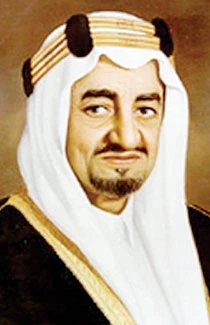
RIYADH, 11 May 2008 — A three-day seminar on King Faisal called for the need to have more in-depth studies on the late king and his contributions, especially by students of higher education at Saudi universities.
Dr. Fahd Al-Sammary, secretary-general of King Abdul Aziz Museum, said the seminar’s participants emphasized the need to record the statements and experiences of those people who lived during the time of King Faisal and other Saudi monarchs.
Participants called on the museum to take the lead on this. “The King Abdul Aziz Museum and King Faisal Center for Research and Islamic Studies (KFCRIS) should also document King Faisal’s foreign policy toward Arab and Islamic countries and his efforts to strengthen Islamic solidarity,” the Saudi Press Agency said, citing the seminar’s recommendations.
Riyadh Gov. Prince Salman, chairman of the museum, opened the seminar on Tuesday and paid tribute to one of the Islamic world’s greatest leaders. “I saw in him a true believer and an intelligent politician,” the governor said, adding that King Faisal was a staunch supporter of Islamic causes.
“The seminar was significant as it focused on a person who lived by King Abdul Aziz during the Kingdom’s unification,” said Prince Turki Al-Faisal, chairman of KFCRIS. “King Faisal had made considerable contributions to the Kingdom’s development and in taking the country to a new phase of progress and prosperity,” he added.
In an interview with Asharq Al-Awsat, Prince Turki said the US had threatened to use force against Saudi Arabia in 1973 after King Faisal, along with other Arab leaders, imposed an oil embargo on countries that supported Israel during the October War. Prince Turki, who was an adviser at the Royal Court in 1973, said the king was not shaken by the US threat and stood firm.
The King Faisal Center for Research & Islamic Studies (KFCRIS) also held an exhibition on King Faisal titled “Witness & Martyr” on the sidelines of the seminar, at which 34 research papers were presented. New information and documents about the king were collected from several countries, including the US and Britain. On display were the king’s possessions and speeches, and films and pictures about him.
The seminar attracted a large number of visitors including foreign diplomats and journalists.
“About 20 years ago I had read a book on King Faisal,” said a Chinese visitor. “Since then I have been very much impressed by the king and I have bought so many books about his life,” he added.
Muhammad Anwar, 75, a Pakistani engineer visited the show with his family. “I started working in the Kingdom about 40 years ago during the time of King Faisal. All Muslims love King Faisal for his courageous decisions and his efforts in serving Islamic causes,” he said.
The show begins with a picture of the king aged 13 taken during a visit to Europe.
Princess Seeta bint Abdul Aziz opened the show for women yesterday. Princess Sara Al-Faisal said the exhibition highlighted the king’s contributions to the Kingdom’s development. “It sheds light on various phases in King Faisal’s life and his struggle for Arab and Islamic causes.”
The exhibition will continue at the National Museum of the King Abdul Aziz Historical Center for two months before moving to Abha, Makkah and Dammam and then to neighboring Gulf and Arab countries.