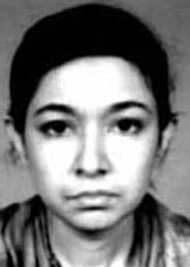
ISLAMABAD: Pakistanis have been holding rallies nearly every day in recent weeks in different parts of the country, demanding the release of Pakistani biologist Dr. Aafia Siddiqui who is allegedly detained in the US-controlled Bagram Airbase jail in Afghanistan.
On Thursday, women activists of the Jamaat-e-Islami (party) held a large demonstration in the port city of Karachi against the United States and President Pervez Musharraf. Siddiqui, an MIT alumnus in biology, was wanted for questioning by the FBI for suspected terrorist activities. Her last known location was at or near the Karachi airport in March 2003, along with her three children. In 2004, she was identified along with six others by the United States government as being “associated with Al-Qaeda.” A few weeks ago the relatives of Siddiqui held a press conference here in the presence of cricket-turned politician Imran Khan and office-holders of the Missing Persons Association.
During the press conference, it was revealed that Siddiqui was being detained in Bagram Airbase and she had no access to a lawyer or realtives. That press conference was not the end of story.
Siddiqui’s lawyer, Javed Iqbal Jafrey, moved the Islamabad High Court claiming that Siddiqui had been handed over to US security officials by Pakistan authorities without informing the woman’s family. The Islamabad High Court heard the case in its entirety.
A single bench of the court, head by Chief Justice Sardar Aslam, on Wednesday directed the Interior Ministry to furnish a complete report to the court providing Siddiqui’s full details. The court has adjourned until Sept. 9.
Meanwhile, columnist Dr. Ishtiaque Baig has written extensively seeking the release of Siddiqui.
“Siddiqui and her three children were picked up from their Gulshan-e-Iqbal residence in Karachi by the personnel of the intelligence agencies of Pakistan and the Federal Bureau of Investigation of the Unite States,” he wrote recently.
“The whereabouts of her children also is still unknown, which is a serious act of negligence on the part of the Pakistan government with regard to its responsibility to protect the citizen of the country. Siddiqui was picked up by Pakistani intelligence agencies while on her way to the airport and initial reports suggested that she was handed over to the American FBI. A few days later, the American news channel, NBC, reported that Siddiqui had been arrested in Pakistan on suspicion of facilitating money transfers for terror networks of Osama Bin Laden.”
Baig said that on April 1, 2003, a small news item was published in an Urdu daily with reference to a press conference of then Interior Minister Faisal Saleh Hayat where he denied that Siddiqui had been arrested. But in another report, the minister for interior said, “You will be astonished to know about the activities of Dr. Aafia (Siddiqui).”
A weekly English magazine, in its special coverage on Siddiqui, reported that after one week of the incident, an intelligence agency official, on a motorcycle in plainclothes, came to the house of her mother and warned “We know that you are connected to higher-ups but do not make an issue out of your daughter’s disappearance,” and threatened her with dire consequences. After this, the whereabouts of Siddiqui and her children is still not known, Baig wrote.
“What is also of grave concern to me,” Baig further said, “is that when she was arrested by Pakistani intelligence authorities she was handed over to American intelligence agencies without being tried in Pakistan. I do not find any rationale in sending her along with her children to other country when there are Pakistani laws to deal with the suspected terrorists. It is known that President Musharraf handed over 600 suspected terrorists to America,” Baig added.