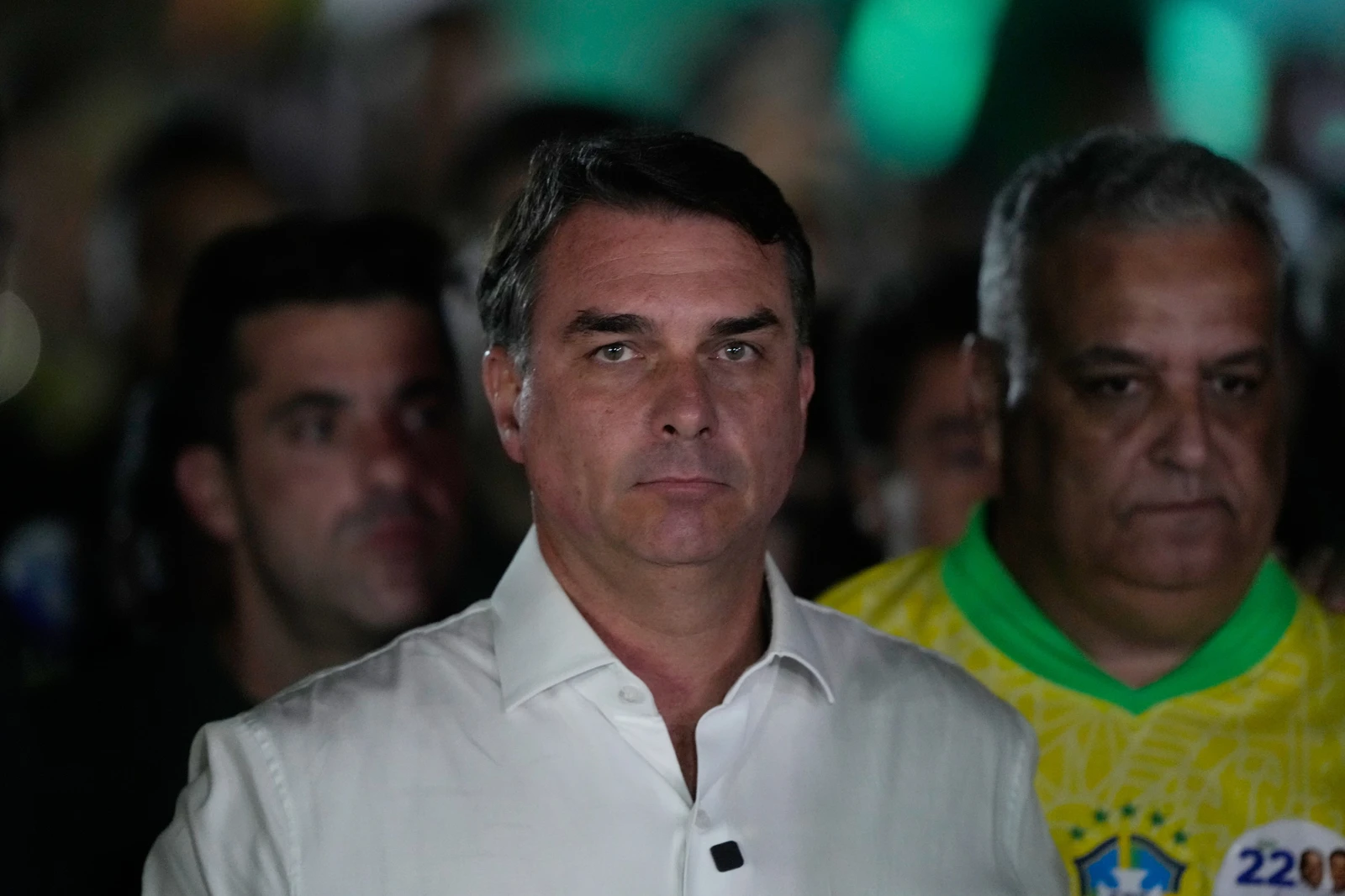
ISTANBUL: Sudanese President Omar Bashir said attempts by the International Criminal Court (ICC) to prosecute him for genocide and war crimes had only strengthened his position and he had no fear of extradition.
Bashir, in his first interview with an international news agency since then, told Reuters the move was strengthening his hand and that his country would fight the decision of court prosecutor Luis Moreno-Ocampo. “The decision of the ICC prosecutor is already solidifying our internal front, the internal front of our Sudanese people, and that is the source of our power and we will fight their actions,” Bashir said in Istanbul yesterday.
Bashir looked relaxed on the last day of his three-day trip to Turkey, his first abroad since the prosecutor’s announcement. The visit has added to doubts over whether other countries would be ready to arrest Bashir even if a warrant is issued.
African and Arab states want the court moves put on hold, fearing they would only make it harder to bring peace to Darfur, where the prosecutor says Bashir’s state apparatus has killed 35,000 people and indirectly at least another 100,000.
Bashir said the death toll was inflated. “Genocide like the International Criminal Court claims is nonexistent,” he said at a news conference in Istanbul on the sidelines of a Turkey-Africa cooperation summit. “If (those figures) were accurate, there needs to be mass graves. Where are those graves?” he said.
There are fears the indictment could threaten a fragile peace deal in Sudan and plunge the country back into civil war.
Members of the former southern rebel group Sudan People’s Liberation Movement — now Bashir’s wary partner in a unity government formed as part of the 2005 peace deal — want the president to make concessions to ward off the court’s charges by handing over some Sudanese officials.
But Bashir rebuffed such calls yesterday, reasserting that his administration does not recognize the court. “We are saying that we will not hand over any Sudanese citizens to anyone for prosecution abroad,” he said. “We are an independent state, with an independent and fair judiciary system.”
But Bashir offered something else his southern rivals have been longing for: Free elections.
“The next year, after completing the election law, we’ll have free elections,” he said.
Bashir accused Western powers of provoking separatist violence in the country. The president said his administration was working with countries such as China and India instead of Western companies to develop the country’s rich oil fields and other natural resources. “Some forces who are targeting Sudan’s resources are encouraging fighting in Sudan and want her to be divided,” he said.
Bashir said he would continue to go overseas and did not fear following in the footsteps of leaders arrested and charged by other international courts, such as Bosnian Serb war crimes suspect Radovan Karadzic and former Liberian President Charles Taylor. “We are very confident of our internal front and we don’t give a damn about the precedents set by those going to court,” said a smiling Bashir.
“We are not concerned about traveling, ourselves, we have good relations with a number of countries that do not have relations with the ICC,” he said.
Bashir rejected accusations that government forces were still attacking civilians and destroying villages in Darfur. He dismissed as propaganda Reuters video footage which showed militia carrying army identification in burned villages. “We have a long history of fabricated tapes by journalists who use people as actors. We have these tapes. This is not evidence,” he said.