PATRAGHAT, India: Villagers were eating uncooked rice and flour mixed with polluted water in an eastern Indian state, officials said yesterday, as hunger and diseases accompanied the worst-ever floods in 50 years.
The Kosi River burst a dam in neighboring Nepal earlier this month and surged into Bihar state, swamping village after village as authorities failed to evacuate millions on time.
At least 10 more people drowned overnight, raising the toll to 65, as the rising river waters smashed embankments and flooded vast areas in the eastern state, officials said.
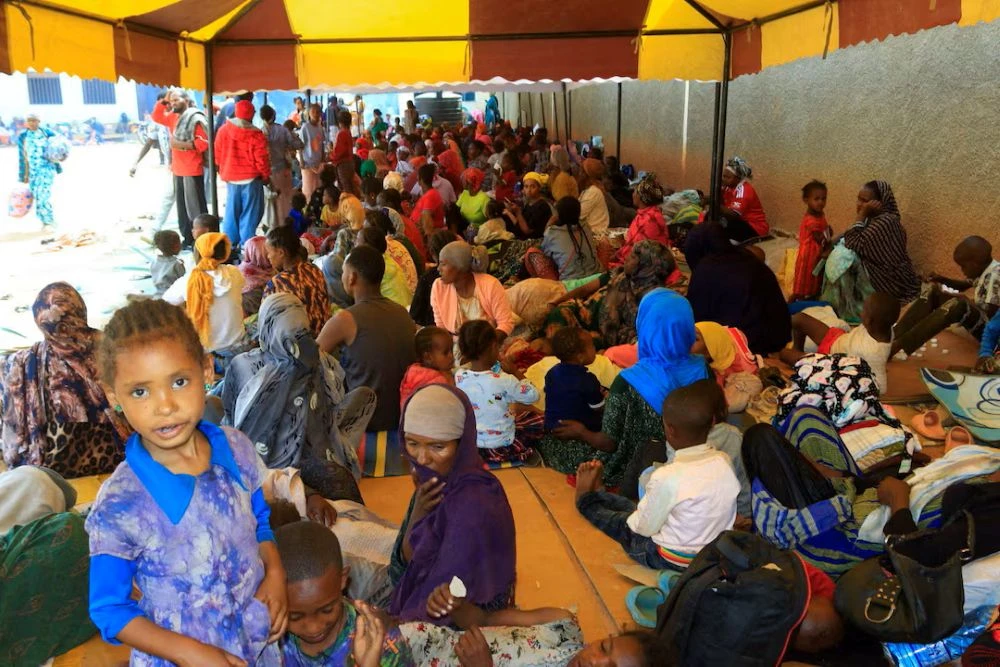
More than two million people in distant villages in Bihar have been displaced and around a quarter of a million houses have been destroyed. Many have no means to cook food.
Thousands of people, with all their belongings on their heads, walked away from their flooded homes through narrow and submerged roads. Many children rode on their cows and buffaloes. Water levels continued to rise amid heavy rains. The water could stay for around three months, increasing the risk of water-borne diseases.
Some experts blame the floods on heavier monsoon rains caused by global warming, while others say authorities have failed to take preventive measures and improve infrastructure.
“My hungry children are crying and we are eating raw rice without boiling it,” said Amit Kumar from Supaul district, the worst-hit by floods this year. Some are eating corn flour mixed with water to survive.
“I know how villagers are somehow managing to keep themselves alive by eating whatever food is available to them,” Nitish Mishra, the state disaster management minister, told Reuters.
“It is not easy to distribute food to over two million displaced villagers, I know their condition.”