TRIVENIGANJ, India: Authorities in India’s Bihar state took control of all private boats in flooded areas yesterday as desperate villagers hijacked rescue vessels and looted food and other essentials while flooding spread to new areas along the Nepal border, officials said.
About 1.2 million people have been left homeless and scores killed in the impoverished eastern state in the two weeks since the monsoon-swollen Kosi river in neighboring Nepal burst its banks, dramatically changing course and spilling billions of gallons of water into the plains of northern India.
Nearly 700,000 people have been marooned and an estimated 3 million affected in five districts of Bihar.
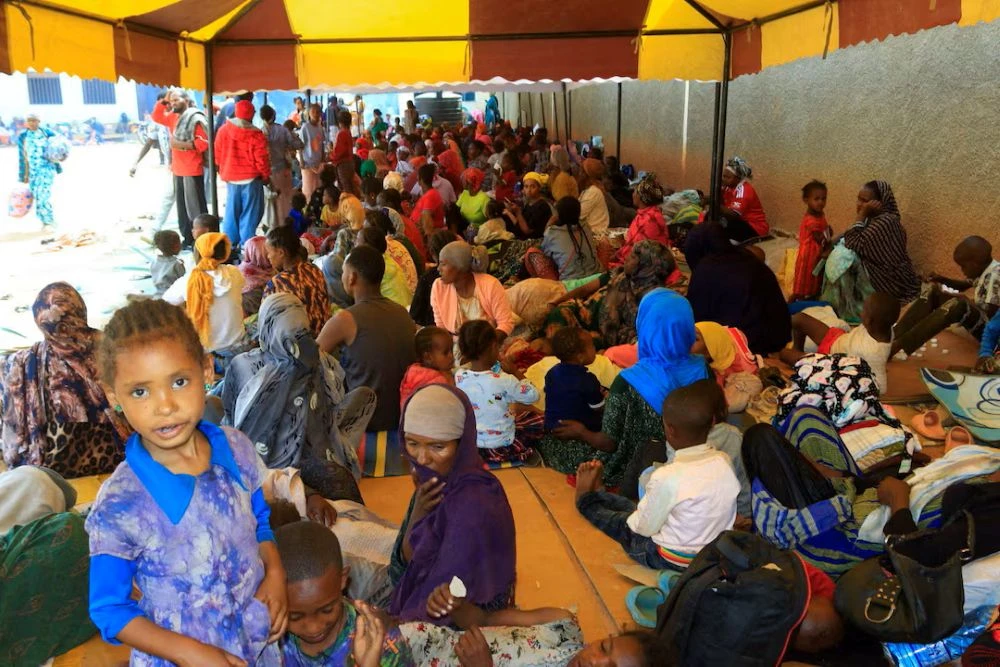
Authorities have evacuated 475,000 people and put nearly 170,000 in state-run relief camps, said Prataya Amrit, secretary of the state’s disaster management department.
“The government has taken over all boats in the area,” said Ravindra Prasad Singh, a Bihar state government official coordinating rescue work in Supaul district, where 10,000 people have been evacuated.
Singh said he has 41 boats at his disposal and 50 soldiers have joined the rescue operation in Supaul.
“The situation is definitely bad, but now the army has joined in and rescue operations will be speeded up,” he said.
Trucks laden with various kinds of boats were making their way to the area.
“People have been trapped for days living on the roofs of the concrete buildings in the villages, while mud and thatch huts were swept away,” said Lakshmi Devi as she got out of a boat with her husband and two small crying children at a road bridge in Triveniganj, the only dry land and link to flooded areas in Supaul, about 1,400 km northeast of New Delhi. Anxious people rushed toward arriving boats, looking for separated relatives.
Those able to flee piled their families, goats, chickens and sacks of grain into boats and headed for safety. Some waded for miles through the floodwaters, carrying bundles of belongings on their heads.
But as the waters rapidly inundated more than 750 villages and towns, many were unable to escape. Nineteen people drowned Friday when their rescue boat capsized. An army officer who was believed to have died in the accident was found alive three days later clinging to a tree, Amrit said. But while rescue efforts were finally picking up steam, officials warned the flooding was spreading to new areas and the high waters would last for months.
Authorities say the breach in the Kosi’s banks is more than a kilometer long and growing everyday, and cannot be repaired until late November, when the monsoon rains end.
India’s monsoon season, which lasts from June to September, brings rain vital for the country’s farmers but also can cause massive destruction. This flooding, however, is different from the annual monsoon deluge.
The vast plains have been turned into a massive lake, with only an occasional tree or rooftop breaking the surface.
The government says it has not yet been able to fully assess the devastation, which Prime Minister Manmohan Singh described as a national calamity.
“We will only be able to tell the extent after the water recedes,” Amrit said. “But it is colossal.”