
MEDICAL experts advise that diabetes sufferers fasting during the holy month of Ramadan should prepare themselves as early as possible. The timing of Ramadan, taking place during the summer this year, makes it all the more critical that the GCC’s more than 6 million diabetics take special care of themselves.
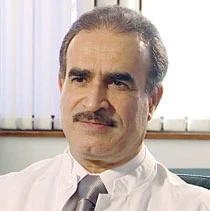
“People with diabetes can fast during Ramadan. It depends whether you are taking insulin or you are taking tablets,” says Dr. Abdulrazzaq Al-Madani, endocrinologist and head of the Emirates Diabetes Association. “If you are taking tablets and maintaining your diet, you can fast Ramadan without any problem provided that you have controlled your blood sugar properly before the month of Ramadan. For this reason, diabetes sufferers must seek the advice of their doctor, prior to fasting, to help them adjust their medication and diet. In fact, changing their diet and lifestyle for Ramadan can actually be beneficial to diabetes sufferers.”
Some 246 million people worldwide are affected by diabetes and this figure is expected to grow to 380 million by 2025. Diabetes affects more than 10 percent of adults in the GCC states with the adult populations of the United Arab Emirates and Saudi Arabia both having more than 20 percent incidence of diabetes. With such high incidences of diabetes it is important that not only the diabetes sufferers themselves, but their families, friends and employers have some awareness of the condition, particularly if they are fasting during Ramadan.
In general, people suffering from ‘Type 1 diabetes’ are advised not to fast during Ramadan, since the bodies of people with Type 1 diabetes do not make their own insulin, so they must take insulin doses daily. People suffering from ‘Type 2 diabetes’ are usually able to fast, providing that they know how to manage themselves in case they develop hypoglycaemia (a lower than normal level of blood sugar) or hyperglycaemia (a higher than normal level of blood sugar). However, it is critical for diabetics to seek medical advice prior to fasting in order that they can manage their condition effectively and avoid complications.
“It is very important for a patient with diabetes during the month of Ramadan to drink a lot of water, especially with the Suhoor meal,” said Dr. Al-Madani. “Drinking an excess of water is important to prevent the dehydration during the fasting hours, particularly during this hot summer weather. It is also important for the patient of diabetes to delay his Suhoor meal to before dawn, in order to reduce the hours of fasting.”
Dr. Al-Madani appears in a short educational video on diabetes recently produced by Roche as part of an initiative to help inform diabetes sufferers and their families about the implications of managing diabetes in Ramadan. The video can be seen on the Internet at: www.accu-chekarabia.com.