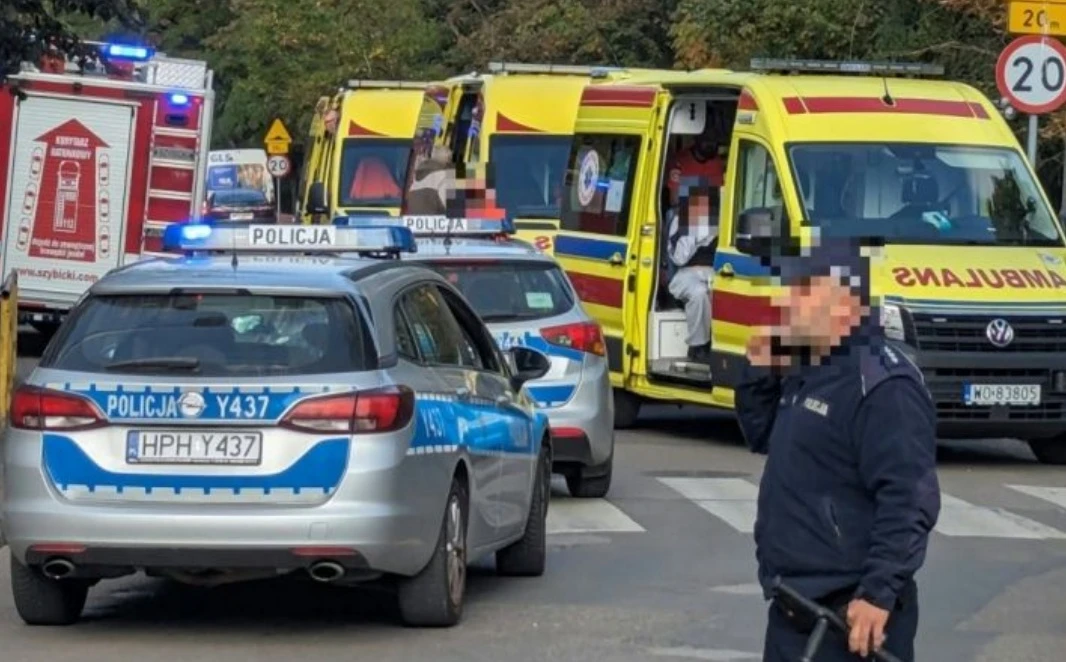
BERLIN: German and Turkish police clashed with demonstrators yesterday as huge crowds angered by the worst global recession in decades took to the streets worldwide for traditional labor day rallies.
In Germany, on course for its biggest slump since World War II, Berlin police made 49 arrests as young demonstrators hurled bottles and rocks and set fire to cars and rubbish bins in the early hours.
Yesterday tens of thousands of people gathered for May Day rallies across Germany and police were bracing for pitched battles later in the day with far-left demonstrators.
“No one could have imagined that this crisis could have been so profound,” Michael Sommer, head of the DGB trade union federation, told a cheering crowd in Berlin. “There is no light at the end of the tunnel.”
In Turkey, several hundred demonstrators battled riot police in central Istanbul, with protesters chanting “hand in hand against fascism,” “repression won’t stop us” and “long live the revolution and socialism.” Turkish riot police staged three charges against hundreds of demonstrators in the Sisli district of the city who had hurled rocks at security forces. At least eight were injured, including two police officers, NTV television said.
Rallies were held around the world, with organizers everywhere promising to highlight public anger over the crippling recession which has seen millions lose their jobs.
In France, tens of thousands turned out across the country in a fresh show of force against President Nicolas Sarkozy’s handling of the economic crisis, six weeks after as many as three million took to the streets.
In what unions predicted would be the biggest Labor Day turnout in decades, marchers paraded in the cities of Paris, Marseille, Bordeaux, Grenoble and elsewhere.
France’s eight main trade unions have agreed to hold united rallies across the country — rather than hold rival May Day events — for the first time since the end of World War II.
In Spain, where the government expects nearly one in five workers to be out of a job next year, large crowds of demonstrators gathered in central Madrid, and in Austria, a large crowed gathered in front of Vienna city hall.
In Tokyo, some 36,000 people rallied in Yoyogi park, demanding more welfare benefits and others protesting military spending, with many more youths and people in their 20s joining the event than in recent years.
In South Korea, some 8,000 workers and students rallied in a Seoul park urging an end to lay-offs and wage cuts caused by the crisis. There were also rallies in Manila, the Cambodian capital Phnom Penh and Taipei.
In Russia, about 2,000 demonstrators gathered by a statue of Karl Marx in Moscow waving banners and red Soviet flags and calling for a return of communism.
And in Italy, leaders of the main unions held their rally at the town of L’Aquila in a show of solidarity after the devastating earthquake there last month which killed nearly 300 people.
In Philippines, several thousand left-wing workers and their supporters have demanded decent jobs and higher wages, and blamed the Philippine president for deteriorating living conditions in the country during Labor Day protests.
The police, on alert for yesterday’s protests, blocked about 1,000 protesters near a bridge near the presidential palace. Police have stopped a bigger group, including many carrying lighted torches, marching toward to the US embassy to protest American support for President Gloria Macapagal Arroyo.
An estimated 30,000 mobbed a jobs fair organized by the government at a seaside convention center, and local reports quoting officials say 7,000 have been hired. Many job applicants waiting for hours to get inside left in disgust.