ISLAMABAD: A suicide bomber on a bicycle attacked a major Pakistani air base on Friday, killing seven people in an escalating campaign that strikes at the heart of this nuclear-armed nation’s security forces.
The strike was one of three bombings in northwest Pakistan that killed 24 people and wounded at least 28 as the army pushed a seven-day offensive deeper into Al-Qaeda and Taleban territory close to the Afghan border.
About 200 people have been killed this month in a string of militant attacks on military, police and civilian targets nationwide. The onslaught is undermining confidence in the US-backed government and risks sapping public support for the assault in South Waziristan.
The US State Department said Friday that Secretary of State Hillary Clinton will travel to Pakistan “soon” but that dates cannot be announced for security reasons.
Pakistan’s civilian government and politically powerful military are under intense international pressure to root out militants who are also blamed for rising attacks on US and NATO troops across the frontier in Afghanistan.
The army has undertaken several offensives along the border in recent years, losing hundreds of soldiers, but the situation has not improved.
The bomber blew himself up at a checkpoint on a road leading to the Pakistan Aeronautical Complex at Kamra, about 50 km from the capital, Islamabad.
The sprawling complex is the country’s major air force maintenance and research hub, servicing and building jet fighters and radar systems.
The blast killed two security officers and five civilians who were on their way to work at the base, said police officer Akbar Abbas. Some 13 people were hurt.
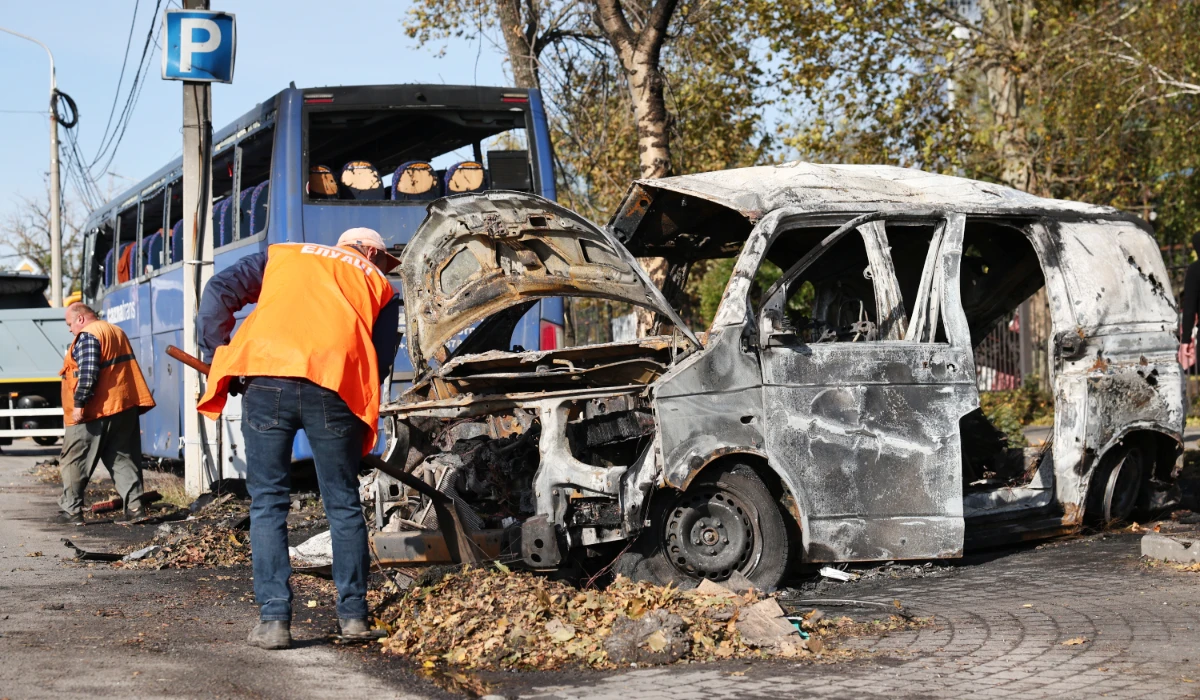
Hours later, an explosion struck a bus traveling in the Mohmand tribal region, further north of South Waziristan.
Four women and three children were among the 17 killed, said Zabit Khan, a local government official. He said it was unclear whether the bus struck a mine or the explosive device was detonated by remote control.
The military has carried out anti-Taleban operations in Mohmand over the last year that it claims have been successful, but insurgents remain there in numbers.
Also Friday, a car bomb exploded in the parking lot of a recreational facility housing a restaurant and a marriage hall in Peshawar, the main city in the northwest. Fifteen people were wounded in that blast.
Insurgent attacks this month have shown a range of tactics and targets. Some have been suicide blasts by attackers on foot or in vehicles, while others have involved teams of gunmen staging coordinated raids. In one of the most brazen attacks, gunmen attacked the army headquarters close to the capital and held hostages inside the complex for 22 hours.
On Thursday, gunmen on a motorbike assassinated a senior army officer as he drove his jeep in Islamabad.
Pakistan began its current offensive in the South Waziristan tribal region seven days ago. It reported fighting in several parts of the region on Friday and said its soldiers had seized some high ground from militant control.
A statement reported two more soldiers were killed, bringing the army’s death toll to 20, and that 13 more militants were slain — six of them Uzbeks — bringing their death toll to 142.