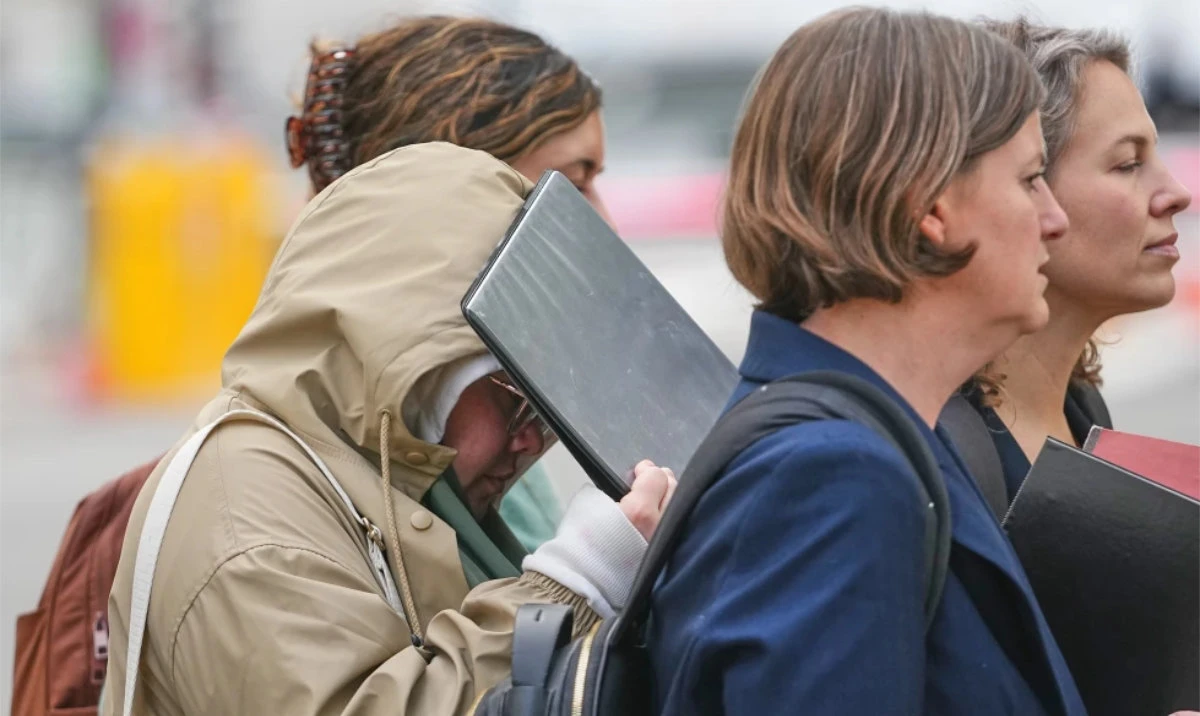
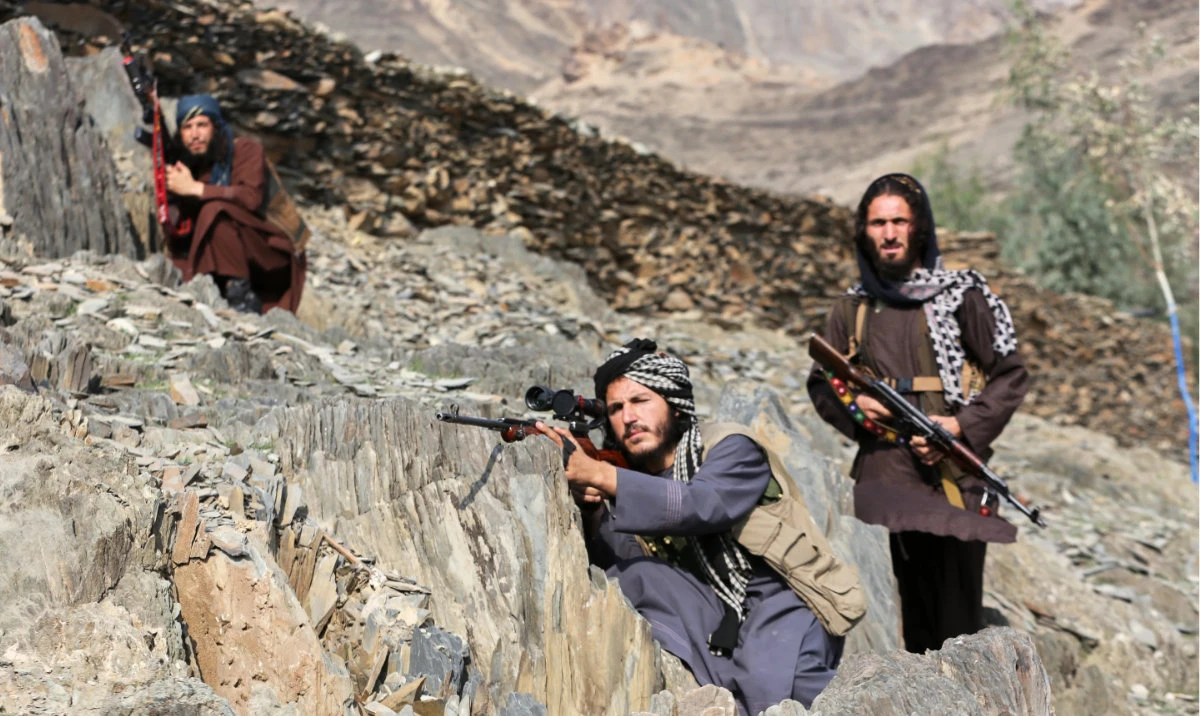
WASHINGTON: The five men accused of plotting the Sept. 11, 2001 terrorist attacks plan to plead not guilty -- not because they're innocent, they have admitted their guilt, but because they want to have the opportunity voice their opinion of US foreign policy, according to a lawyer for one of the accused.
The trial comes several months after the CIA released documents showing one of the suspects giving a false confession in response to harsh interrogation methods.
The news has fueled howls from critics, mostly Republicans, who say it will give the accused terrorists a "propaganda platform," although video cameras will not be allowed in the courtroom during proceedings.
Critics of the decision worry that US government secrets will leak, that evidence won through harsh tactics could lead to dismissals, or that a trial would be used as a platform to spew hate.
The US Justice Department announced earlier this month that Ali and four other men accused of murdering nearly 3,000 people in the deadliest terrorist attack in the US will face a civilian federal trial just blocks from the site of the destroyed World Trade Center.
It said it would bring five prisoners before US courts: Walid Muhammed Salih Mubarak Bin Attash, Ramzi Bin Al Shibh, Ali Abdul-Aziz Ali, Mustafa Ahmed Al-Hawsawi and Khalid Sheikh Mohammed, the alleged mastermind of the attacks.
"I have every confidence that the nation and the world will see him for the coward that he is," Holder said earlier this month. "I'm not scared of what Khalid Sheikh Mohammed has to say at trial -- and no one else needs to be, either."
Dean Boyd, a spokesman for the Department of Justice, said that while the men may attempt to use the trial to express their views, "we have full confidence in the ability of the courts and in particular the federal judge who may preside over the trial to ensure that the proceeding is conducted appropriately and with minimal disruption, as federal courts have done in the past."
The lawyer for Ali, Scott Fenstermaker, told the New York Times on Sunday that his client will admit his role in the attacks and seek "martyrdom" through execution, but will plead not guilty as part of his and his co-defendants' political message.
He said he met with Ali last week at the US prison at Guantanamo Bay in Cuba. He has not spoken with the others but said the men have discussed the trial among themselves.
Fenstermaker said the men would not deny their role in the 2001 attacks but "would explain what happened and why they did it."
Holder had said during his announcement of the trial that prosecutors would seek the death penalty for each of the suspects.
"It is important that we be able to use every forum possible to hold terrorists accountable for their actions," he said. "Just as a sustained campaign against terrorism requires a combination of intelligence, law enforcement and military operations, so must of our legal efforts to bring terrorists to justice involve both federal courts and reformed military commissions."
Last Wednesday, Holder assured Congress the terror suspects would not have a platform to preach their beliefs as a result of the trial.
"Khalid Sheikh Mohammed will have no more of a platform to spew his hateful ideology in federal court than he would have in military commissions," Holder said in a congressional hearing.
The trial comes after the June release of the CIA's Combatant Status Review Tribunals held in 2007 at Guantanamo, following a Freedom of Information Act (FOIA) lawsuit filed by the American Civil Liberties Union (ACLU).
The transcripts, which were first released by the Bush Administration but were re-released with some passages still heavily blacked out, detail the kind of treatment terror suspects faced under CIA custody, and the kind of information that officials may have gained from such treatment.
It shows Mohammed saying in disjointed English that he gave interrogators false information.
"I cannot remember now [blacked out] be under questioning so-many statement which been some of them l make up stories just location," Mohammed said. "Where is he? I don't know. Then he torture me. Then I said yes, he is in this area or this is Al-Qaeda which I don't him. I said no, they torture me. Does he know you? I say don't him but how come he know you. I told him I'm senior man. Many people they know me which I don't them. I ask him even if he knew George Bush. He said yes I do. He don't know you that not means it's false."
Similarly, Abu Zubaydah, a top Al-Qaeda member captured in 2002 and waterboarded 83 times, was recorded as telling the tribunal that he had falsely confessed to being Al-Qaeda's No. 3 man.
"Most of what they say I did in first months they take against me even for some things they say yes, I say okay, I do I do, but leave me," Zubaydah had told the tribunal. "They say no, we don't want to. You to admit you do this, we want you to give us more information. This part I can't because I don't know. I say, 'yes, I was partner of Bin Laden. I'm his number three in Al-Qaeda,' I say okay but leave me."
The transcripts were released amid debate about whether the interrogation methods used by the Bush administration, which include sleep deprivation and waterboarding or simulated drowning, prevented further attacks on American soil.
The trial is part of the Obama administration's efforts to close the prison camp in the US Naval Base in Guantanamo Bay, Cuba by Jan. 22 next year.