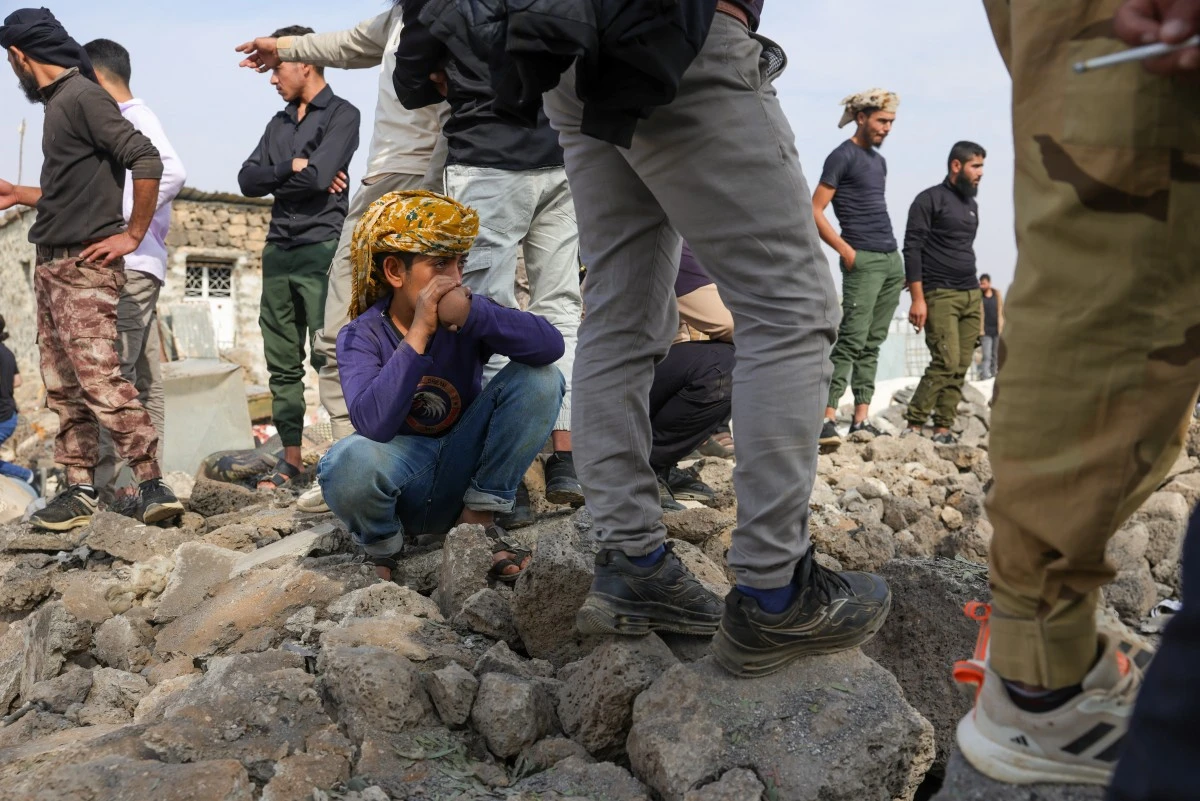
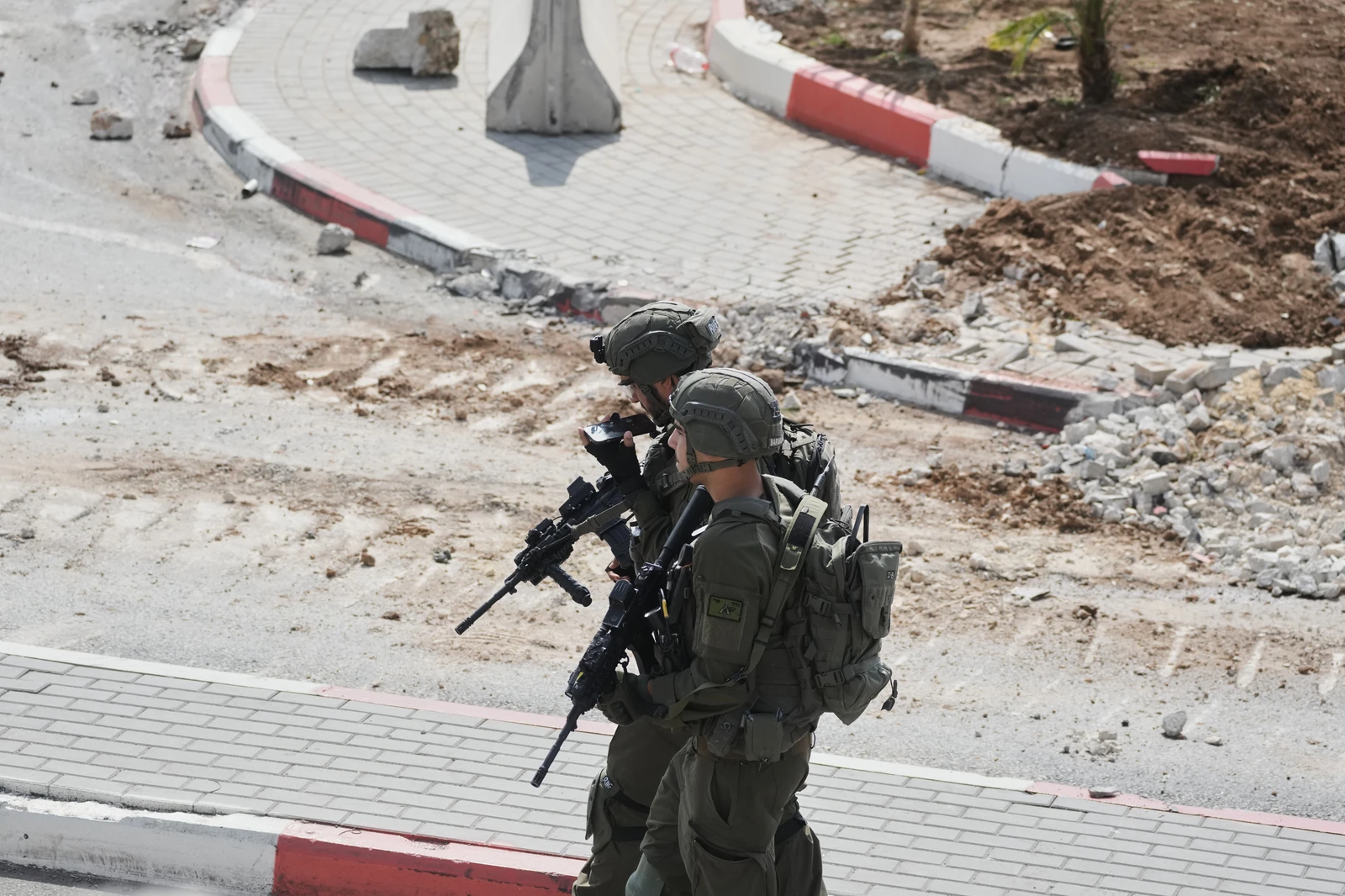
BURIN, West Bank: A pile of rocks and smashed glass on the roof of a Palestinian farm house attest to the accuracy of the Jewish occupiers who regularly bombard it with stones the size of tennis balls.
Living on a hillside right beneath the settlement of Yitzhar, Hanan Soufan says her Israeli neighbors aim to drive her and her nine children out of their home, nestled in olive groves in the West Bank village of Burin.
“Our only weapon is patience,” said 20-year-old Muaz Soufan, her son.
A spokesman for the settlement did not deny the violence but said Palestinians also attacked occupiers and their property.
A widow, Soufan said she did not set foot outdoors for three consecutive days over the last week because of attacks by occupiers, who have stepped up their violence in response to an Israeli government move to restrict settlement building.
Video footage shot by her son shows a youth, accompanied by around 10 others, using a slingshot to fire rocks at the house.
“They want to get us out of here but we will not leave,” said the 49-year-old mother. “We live in terror.” The villagers say they are used to having their olive trees vandalized and fields set ablaze by occupiers who stake a biblical claim to lands at the heart of decades of conflict.
In recent weeks, however, the occupiers have increased the frequency of their attacks, apparently in response to the new building restrictions imposed in their West Bank settlements by the Israeli government, the villagers say.
Announced on Nov. 25, Prime Minister Benjamin Netanyahu’s policy of partially restricting settlement building has enraged the occupiers. They are unappeased by government reassurances it is only a temporary measure. A major protest rally was scheduled for Jerusalem later on Wednesday. Israel says the “freeze” aims to relaunch talks with the Palestinians, who see the settlements as a major barrier to peace. For the Palestinian leaders who have negotiated with Israel in the past, it is not enough. They demand a wider building freeze before resuming talks.
With negotiations at a standstill, settler violence increases the combustibility of an already volatile situation. In Burin, Soufan said her family had enjoyed a one-month respite from attacks until Netanyahu’s announcement. “We thought they’d decided to give us a break,” she said.
Responding to the accusations, Yitzhar settlement spokesman Yigal Amitai said: “They create the impression as though such attacks come out of the blue.” Palestinians had torched crops and tractors over the last two years, he said.
The latest settler violence is seen as part of a strategy to attack Palestinians whenever the government is seen acting, or even thinking of acting against the settlements, said Sarit Michaeli of the Israeli human rights organization B’Tselem.
“They (occupiers) have declared very openly that whenever there are perceived or real attacks by the authorities against settlements ... they will then go out and exact a price on Palestinians and their properties,” she said. The so-called “price tag” strategy emerged in 2008 in response to Israeli government attempts to dismantle small West Bank outposts set up without official permission, the UN Office for the Coordination of Humanitarian Affairs in the Palestinian Territories said in a November report.
The alleged aim is to both attack the Palestinians and their property while making it harder for the Israeli security forces to take any action against the settlements, which Western powers and the World Court say are illegal under international law.