For Saudis, the year began with a focus on Gaza. Money flowed in with donations to help the inhabitants of the Strip. Over SR200 million was raised. On Jan. 19, Custodian of the Two Holy Mosques King Abdullah announced at the Arab Economic, Social and Development Summit in Kuwait that the Kingdom would donate $1 billion for reconstruction in Gaza.
On Jan. 8, it was announced that the 2009 Jeddah Economic Forum had been postponed; it was later canceled altogether. On Jan. 12, an overhaul of the judicial system was announced. A week later new rules on the issuing of fatwas were announced.
At the beginning of February, a number of officials, including the chairman, were removed from the Jeddah Chamber of Commerce and Industry (JCCI). On Feb. 4, Turkish President Abdullah Gul arrived with a 150-member delegation. It was announced that Saudi Arabia and Turkey would rebuild the historic Hejaz Railway, linking Madinah and Damascus. On Feb. 9, the king launched eight new educational projects at King Saud University in Riyadh; they amounted to over SR14 billion, including a campus for women and a medical city. On Feb. 15 the king reshuffled the Cabinet, changing four ministers and appointing, for the first time, a woman deputy minister, Nora Al-Fayez who took over girls' affairs in the ministry. Prince Faisal bin Abdullah became education minister; Abdul Aziz Khoja minister of culture and information; Mohammed Al-Eissa justice minister and Dr. Abdullah Al-Rabeeah health minister.
In March, the National Society for Human Rights called for gradual elections to the Shoura Council to replace the current appointment system; Interior Minister Prince Naif was appointed second deputy premier and Prince Mishaal bin Abdullah bin Abdul Aziz governor of Najran.
In April, the king called on G20 members to coordinate measures for economic recovery, plans were announced for a new railway linking all GCC states and for marriage laws to be amended, following a judge's refusal earlier in the week to annul a marriage between an 8-year-old girl and a 47-year-old man.
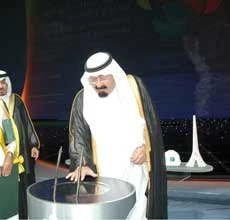
The king unveiled major development projects worth SR54 billion in the Jubail-II Industrial Zone in Eastern Province, including the world's largest desalination and power plant.
In May, Crown Prince Sultan, deputy premier and minister of defense and aviation, arrived in Morocco to convalesce after an operation in New York.
In July, it was announced that an aeronautics industry would be developed to assemble Eurofighter Typhoon jets purchased from Europe. The Shoura Council recommended the privatization of Saudi Arabian Airlines through an IPO and the first swine flu death in the country occurred.
In August, Assistant Interior Minister for Security Affairs Prince Muhammad bin Naif escaped an assassination attempt.
On Sept. 23, the King Abdullah University of Science and Technology (KAUST) was formally opened by the king; the university, where both men and women study together, was described by the king as not only a "House of Wisdom" but also a "beacon of tolerance" in a world beset by extremists.
October saw seven newcomers elected to the board of the JCCI including one woman, Lama Suleiman; two months later she was elected deputy chairman of the board. Saudi female journalist Rozanna Al-Yami was sentenced to 60 lashes for her role in the LBC weekly program in which a Saudi male, Mazen Abdul Jawad, bragged about his sexual exploits. He was sentenced to five years' imprisonment earlier in the month. The king later pardoned Al-Yami.
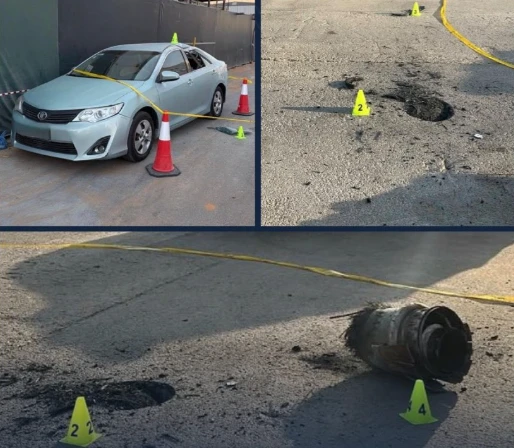
In November, Yemeni rebels crossed the border, killing one border guard and injuring 11 others; they attempted to establish a presence in a number of villages in Jazan province. The incursion was crushed.
On Nov. 25 torrential rains in Jeddah caused flash floods that, according to official figures, killed over 120 people as well as damaging or destroying 6,400 buildings and over 10,000 vehicles. The king ordered compensation of SR 1 million for the families of every person who perished in the disaster and set up an inquiry to discover why the floods had had such devastating effect.
In December, Crown Prince Sultan was welcomed back to Saudi Arabia after treatment and rest for a prolonged illness. On Dec. 21, a SR40.5 billion contract was signed with Alcoa for the development of an aluminum industry in the Kingdom. The next day, the 2010 budget was unveiled — at SR540 billion, the largest in the country's history.