
- GENEVA: Iran, already in confrontation with big powers over its nuclear program, on Monday defied the West over human rights, declaring that it was an open democracy where free speech and justice were guaranteed.
Rejecting charges from the United States, France, Britain and other countries that torture and murder of dissenters were rife in Iran, a senior Tehran official told a United Nations body they were playing politics to undermine his country.
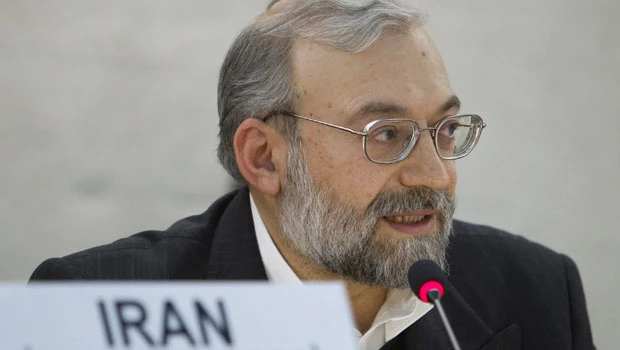
"Iran is becoming one of the prominent democratic states in the (Middle East) region," Mohammad Javad Larijani, secretary-general of the Iranian High Council for Human Rights, told the UN's Human Rights Council.
Another member of Tehran's delegation to the Council's first review of Iran's record said last June's disputed presidential election, which was followed by street clashes and arrests, was "an exemplary exhibition of democracy and freedom.”
Addressing the 47-member UN body, Michael Posner, the US State Department's top official for democracy and human rights, said the Iranian government had suppressed the protest of millions of people since the election.
Posner condemned "growing restrictions on freedom of expression and religious freedom" in the country and called on Iran to "take immediate action to cease the practice of torture in detention facilities and prisons.”
France's ambassador to the United Nations in Geneva, Jean-Baptiste Mattei, said the human rights situation in Iran "has seriously deteriorated during the past eight months.”
"The authorities have unleashed a bloody repression against their own population who are peacefully seeking their rights," Mattei told the review.
Britain's ambassador Peter Gooderham said "grave human rights violations continue to be committed."
Italy told the Council that Iran's behavior made it unsuitable to enter the body, which diplomats say Tehran is campaigning to join as a representative of the Asian group when membership is reshuffled in May.
Larijani, who said he had been a political prisoner under Iran's pre-1979 monarchy, insisted his country was fully compliant with international pacts and was implementing "a genuine and long-term approach to safeguard human rights.”
He said criticism of it over rights was part of an effort to heap extra pressure on the Islamic state. The United States and others fear Iran is moving toward atomic weapons, but Tehran says its nuclear program is for civilian use.
Western countries had consistently used human rights "as a political tool to apply pressure against us and to advance certain ulterior political motives," Larijani told the session.