- ABHA: The dagger is a part of a man’s dress in Asir province, particularly for men who are proud of their tribal identity.
- Wearing adorned daggers and carrying swords are common on public and private occasions.
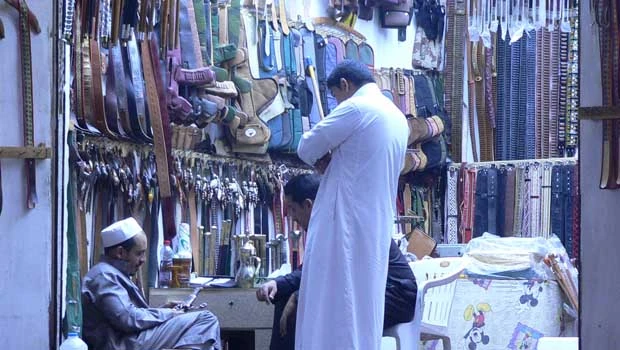
Shops selling daggers and swords attract many customers to traditional souks. Although knives and daggers are commonly used in fights which may result in deaths, carrying them is not banned. “Only stabbing or threatening to stab is banned, not carrying the weapons,” a spokesman for Asir police Col. Abdullah Al-Qarni told Arab News.
He added that, however, carrying knives while entering any office is prohibited for fear that angry visitors might use them against officials.
Ali Al-Asiri, sheikh of Bani Mughaid and Bani Namar clans, said carrying weapons and adorning oneself with them was a mark of manliness according to tribal standards. “The dagger is an essential article of adornment for a man, particularly on occasions such as wedding and Eid celebrations. The Aradah dance in the south is not performed without swords. Dancers wear belts carrying weapons. Conservative people and Bedouin never part with their daggers and swords,” the sheikh said. However, the practice has been disappearing in many places mostly because government offices do not permit people carrying weapons to enter them.
“Security officials at the entrances to offices ask visitors to leave their weapons with them, which the visitor considers humiliating. So, the visitor would rather prefer to leave it at home instead of suffering the indignity of being disarmed forcibly,” he added.
Dagger and sword markets are spread all over the country. They mostly sell weapons made in the country. Gold and silver plated daggers are available in markets and some of them fetch a price of up to SR50,000. The most popular dagger market in Asir is in Khamis Mushayt. Most of the traders refused to talk to Arab News because they believed that media attention would lead to unpleasant problems.
One thing Arab News noted was that the presence of Saudi traders was rare in the market.
Safwan Hamoud, 46, is a Yemeni, who has been in the trade since he was seven. He is also an expert in cleaning, polishing and shaping daggers. He also deals in Omani daggers. Safwan learned the art of decorating swords and daggers in Yemen. Hassan Al-Qahtani, 53, is a retired Saudi official, who turned to making leather scabbards. He said his income ranged between SR1,200 and SR1,500. The director of anticorruption and commercial fraud in the Asir branch of the Ministry of Commerce and Industry Muhammad Abu Kharsha said he had never received any complaint about fraudulent practices in the knife market.