- MAKKAH: The holy city of Makkah is currently witnessing the implementation of a number of mega development projects in the central region around the Grand Mosque.
The new projects, including the Jabal Omar, Jabal Kaaba, Shamiya and Khandama developments, come as part of the government's efforts to improve housing and prayer facilities for the millions of pilgrims who come for Haj and Umrah from all over the world.
Implementation of these projects coincides with the beginning of the largest ever expansion in the history of Islam's holiest shrine. When this new expansion is complete, the Grand Mosque will have additional capacity for 500,000 worshippers.
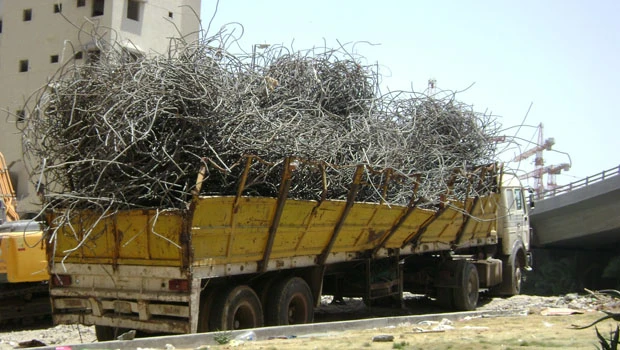
These massive development projects also provide a thriving business for those collecting scrap metal and remains of buildings.
Thousands of buildings and properties have already been demolished for the implementation of these projects. Hundreds of other buildings are currently being knocked down.
On a tour to these sites, Arab News witnessed several foreigners, mainly African nationals, collecting remains of these demolished properties from landfill sites.
The first stop was at Shobaika region, located west of the Grand Mosque, where several Africans were seen collecting scrap metals, cables, door and window frames and old electrical conductors, among other materials.
All these people, carrying primitive tools like shovels and iron cutters, were busy collecting everything they could find from the dumping area.
Some of them were only interested in extracting window frames and other furniture from demolished buildings, while others were seen collecting marble blocks.
It was a similar story in the Falaq area. The only difference was that African nationals were now accompanied by Bangladeshis and Burmese. They were seen collecting scrap metal and anything else of value in order to sell them to scrap yards.
Fahd Hussein, a Saudi resident in the area, told Arab News that small groups of African nationals, including women and children, were seen collecting these materials and assembling them together at designated places, before taking them to the scrap yard in Al-Mansour district.
These scrap materials were then taken to Nokasa and other neighboring districts for sale.
Hassan Saleh, a truck driver, said that he was often hired to transport these scrap materials from the central region around the Grand Mosque, mainly after morning prayers and after 2.30 p.m.
“A large number of African nationals were seen gathering at the scrap yard in Al-Mansour district to unload these materials. They were seen repairing and renovating most of these materials before selling them as used items. They used to sell doors and window frames after washing and painting them,” he said.