- MOSCOW: Russia hardened its stance against Iran in its nuclear row on Friday.
- It said the new UN sanctions prevent Moscow from delivering S-300 air-defense missiles to Tehran, a reversal of the position announced by Russia's Foreign Ministry the day before.
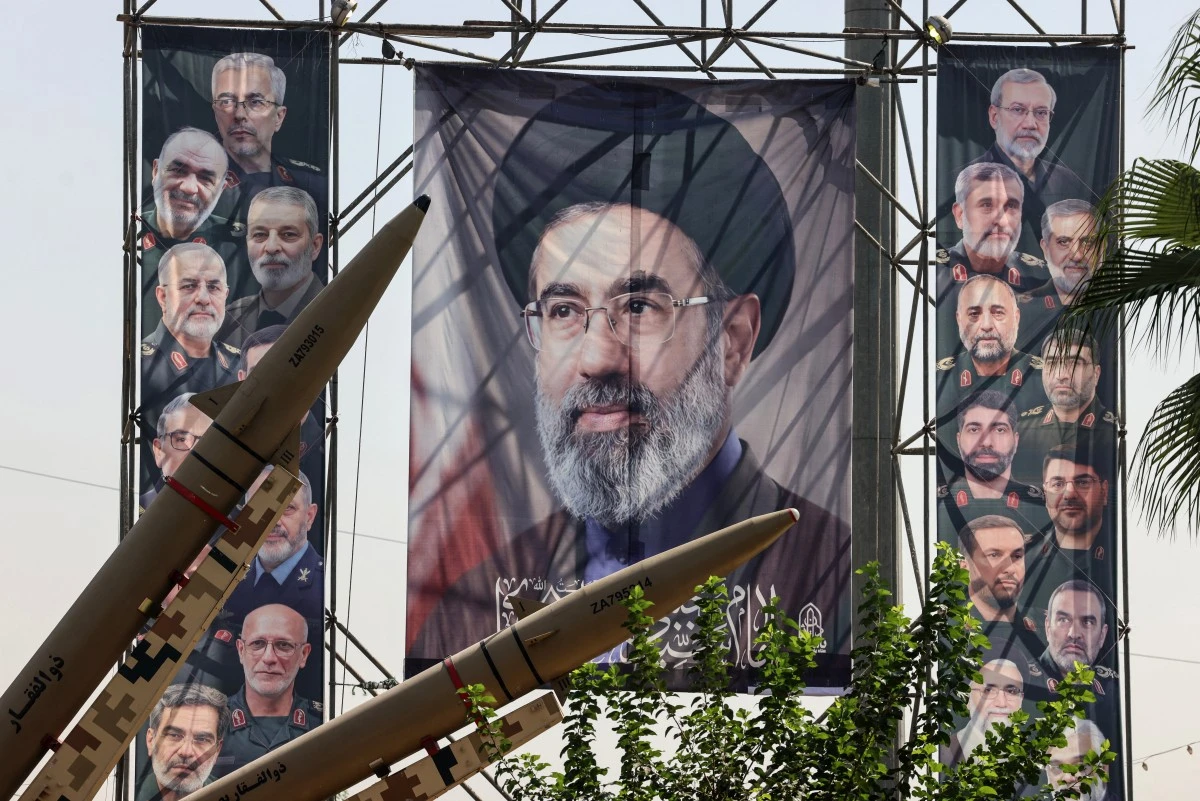
The Kremlin statement on the missiles was sure to please Israel and the United States, which have long urged Russia not to supply the powerful defense system. Russia signed a deal to sell the missiles in 2007, but has delayed their delivery.
The UN Security Council resolution passed Wednesday bans Iran from developing ballistic missiles capable of delivering nuclear weapons, investing in nuclear-related activities and buying certain types of heavy weapons.
The Kremlin official said the S-300 falls under these sanctions.
The UN resolution does not specifically prohibit Russia from supplying the S-300, the US State Department spokesman said. "However, for the first time, the resolution calls for states to exercise vigilance and restraint in the sale or transfer of all other arms and related materiel," spokesman P.J. Crowley told reporters in Washington. "We appreciate Russia's restraint in the transfer of the S-300 missile system to Iran." This distinction may help explain the initial confusion.
On Thursday, Foreign Ministry spokesman Andrei Nesterenko said the UN resolution did not apply to air-defense systems, with the exception of shoulder-fired missiles.
The head of the Federal Service for Military-Technical Cooperation, which oversees arms trade, also said Thursday that the sanctions would not affect the S-300 deal. But on Friday the agency said an analysis of the resolution indicated that the missile system was banned under the new sanctions.
President Dmitry Medvedev would issue a decree specifying which types of weapons cannot now be sold to Iran, Foreign Minister Sergey Lavrov said.
Russia in the past has sold other air-defense missiles, aircraft and weapons to Iran.
Russia also appeared to rule out Iran's membership in a regional security bloc, saying countries under UN sanctions could not join the Shanghai Cooperation Organization (SCO).
Iran has observer status within the six-nation SCO and its president, Mahmoud Ahmadinejad, has upstaged previous events. In a snub to the West at last year's meeting, SCO leaders congratulated him on a disputed election victory. Ahmadinejad did not travel to this year's meeting in the Uzbek capital Tashkent. Lavrov said the Iranian leader had been invited but declined to attend.
Members of the SCO, led by Russia and China, were expected to approve new rules on membership of the body, which focuses on security issues in Central Asia. Ex-Soviet states Kazakhstan, Kyrgyzstan, Uzbekistan and Tajikistan are also full members. "If the Security Council has imposed sanctions, such a country cannot become a full member," Lavrov told reporters, making no specific reference to Iran.
Iran was represented by its foreign minister, Manouchehr Mottaki, who described the latest UN sanctions as "unfair and devoid of legal grounds."
The Security Council voted Wednesday to impose a fourth round of sanctions on Iran over its nuclear program, which Western countries suspect aims to develop an atom bomb. Iran says its nuclear program is peaceful.
Russia and China, veto-wielding UN Security Council members, worked to water down the sanctions against Iran, but voted in favor of them. Moscow's support for the sanctions has soured its traditionally close ties with Iran.