
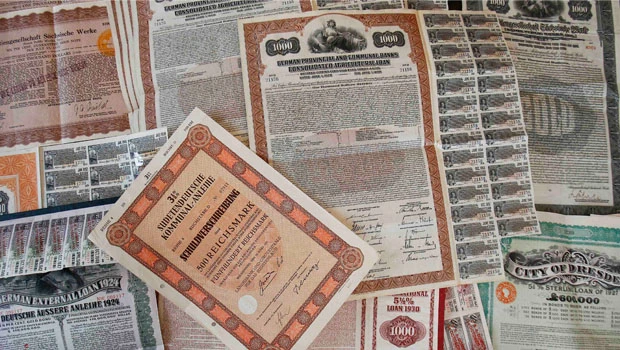
- MIAMI: More than 80 years ago, Germany sold tens of thousands of bonds to American investors in an effort to recover financially from World War I.
- Later, Adolf Hitler used some of the money raised by those bonds to build the powerful Nazi war machine that would ravage Europe during World War II.
Now, a half-dozen US bondholders are turning to federal courts in an effort to force Germany to make good on its promise to repay the debts, which today could be worth hundreds of millions, if not billions, of dollars. Action has been heating up in lawsuits filed in Miami, New York and Chicago, including a victory for investors last month when an appeals court rejected Germany's attempt to dismiss their case.
If the bondholders ultimately win, their lawyers could ask judges to seize German assets in the US to repay them, a tactic that has worked in other legal disputes over money owed by foreign governments.
But if Germany prevails, the bondholders argue, it could undermine the global system through which governments raise money by issuing bonds.
"Our position is not only correct under the law, it would avoid such a potentially far-reaching precedent," said investor attorney Sam Dubbin of Coral Gables, who has frequently represented Holocaust survivors in Nazi-related claims.
Enrico Brandt, a spokesman for the German Embassy in Washington, said the lawsuits are baseless. Brandt said the only way bondholders can redeem the securities is to go through a validation process mandated by a 1953 international treaty and later enshrined in German law.
"Consequently, the efforts of the plaintiffs to outmaneuver the validation procedure by suing in the United States will fail," Brandt said in an e-mail. "Any bond passing the validation procedure successfully will be honored."
Even with the questions of the bonds' validity, a robust market has developed with people around the globe buying and selling them in hopes they one day can be redeemed.
Bondholders claim in their lawsuits Germany has erected a nightmarish maze of bureaucratic red tape around the validation process. One key issue for many bonds is a purported Soviet Red Army plunder of thousands of bonds in 1945 from a Nazi vault as the war ended. Germany said those bonds had already been redeemed to the government, but were still improperly resold around the world. Any from that batch would therefore be invalid, the government argues.
Court documents indicate that Germany has repeatedly cited a “list of stolen bonds” in denying payment, but attorneys for bondholders say Germany won’t share its list or allow it to face public and legal scrutiny. The validation law also requires the difficult task of proving the bond wasn’t physically present in Germany on Jan. 1, 1945, not long before Germany surrendered.
“There are so many problems with the validation process that there is no real validation process,” said Tampa attorney James Lowy, who represents a group of investors separate from those Dubbin works for.
Dubbin said documents from a German archive show most of the looted bonds were returned by the Soviets, a conclusion echoed by historians hired by lawyers in the New York case.
Germany also has claimed it is not subject to US court rulings regarding its bonds, a stance rejected by federal appeals courts in Atlanta and New York. The New York court, however, dismissed one bondholder lawsuit on grounds that they did not first seek repayment through the German validation process.