- JERUSALEM: Former Israeli Prime Minister Ehud Olmert said Sunday that the United States had agreed to accept some 100,000 Palestinian refugees within the framework of an eventual Middle East peace deal, media reported.
Washington had agreed to absorb and give citizenship to 100,000 refugees, while Israel would accept less than 20,000, Israeli media quoted Olmert as telling a conference.
"The numbers discussed were below 20,000, but this would require an end to the conflict and a Palestinian announcement that they would not make any more demands," the Ynet website quoted him as saying.
Olmert was speaking at a conference in Tel Aviv organized by the Geneva Initiative, an Israeli-Palestinian group that aims to show a peace accord is possible.
The former prime minister held peace talks with the Palestinians from November 2007 until they collapsed when Israel began its devastating 22-day war on Gaza just over a year later.
"If we had reached an agreement, it would have changed the map of the world and the entire Middle East. We are not to blame. If there is no agreement, it's because the Palestinian side was not prepared to take the extra step that we made," Olmert was reported as saying.
The issue of Palestinian refugees is expected to be one of the thorniest issues in the renewed direct Israeli-Palestinian peace talks that resumed in the United States at the beginning of the month.
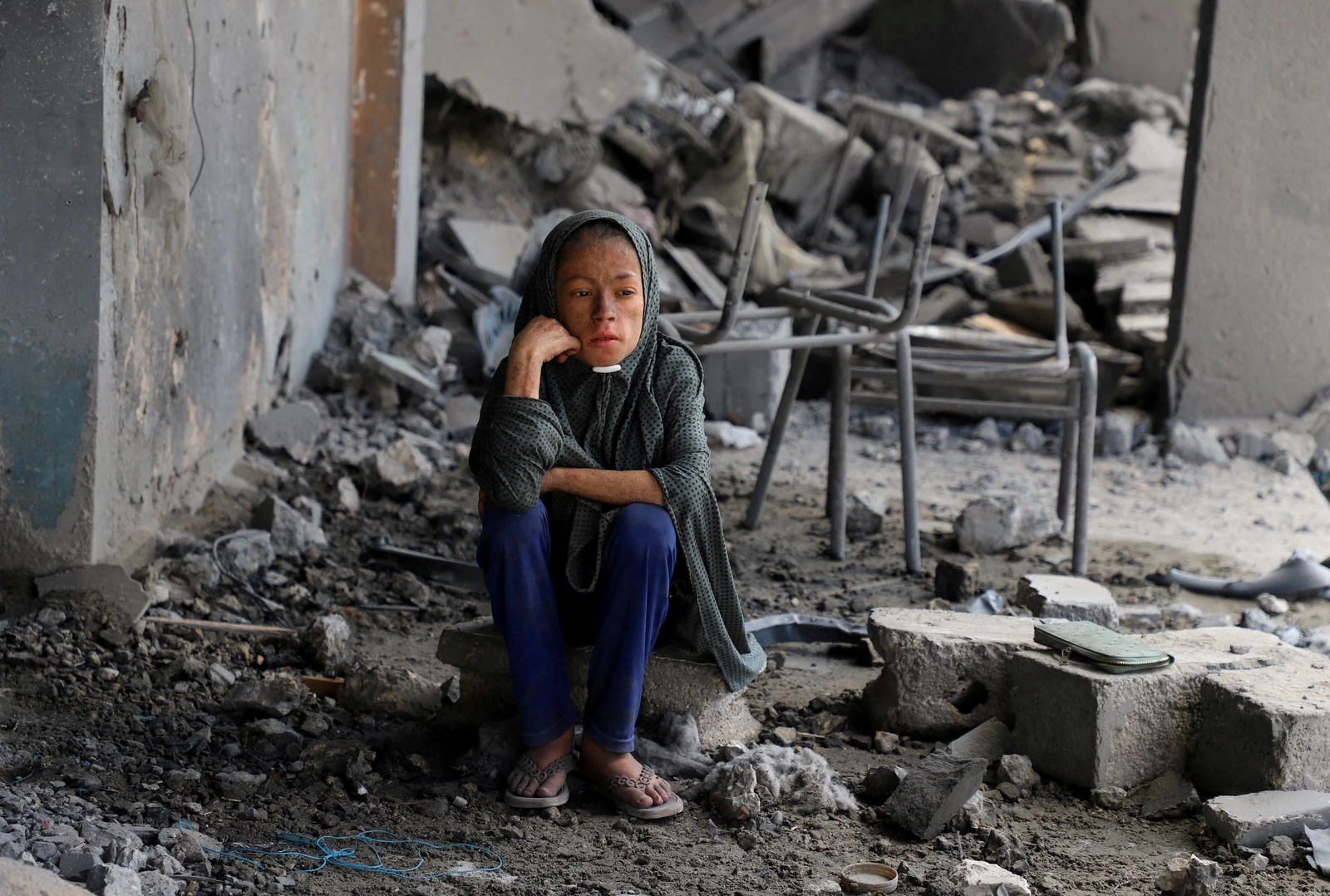
The Palestinians want Israel to recognize the "right of return" of the Palestinians who fled or were expelled when the Jewish state was created in 1948. With their descendants, they number 4.7 million people. Israel rejects the demand, saying they should be accommodated within a Palestinian state.
Foreign minister wants to eject Israeli Arabs
Meanwhile, Israel's foreign minister on Sunday called for redrawing the country's borders to exclude some Arab citizens. Foreign Minister Avigdor Lieberman also rejected the foundation on which years of negotiation with the Palestinians have been based: Trading captured land for peace.
The principle guiding peace talks “must not be land for peace, but an exchange of land and people,” Lieberman told reporters before the weekly Cabinet meeting.
Lieberman's Yisrael Beitenu party, or Israel is our Home, posted strong gains during elections last year with a message that questioned the loyalty of Israel's Arab citizens, a minority that makes up 20 percent of Israel's 7.6 million people.
His proposal is to redraw the border and transfer them to Palestinian rule, while also incorporating residents of Jewish settlements in the West Bank into Israel's borders.
In a radio interview, Lieberman, who himself lives in a West Bank settlement, defended his proposal, saying Israeli Arab leaders do not recognize Israel's right to exist. Lieberman has consistently questioned the loyalty of Israeli Arabs and unsuccessfully tried to enact a law that would strip citizenship from people who refused to sign a loyalty oath. The proposal was rejected by a ministerial committee.
The loyalty issue has come up again because of the refusal of Palestinian negotiators and the Arab League to endorse Israel's demand that it be recognized as the homeland of the Jewish people.
Opponents say Israel's demand would compromise the rights of Israeli Arabs and Palestinian refugees who lost homes in the war over Israel's establishment in 1948.