- RIYADH: Labor Minister Adel Fakieh on Saturday estimated the number of unemployed Saudis at 500,000, adding that they represent about 10 percent of the expatriate work force.
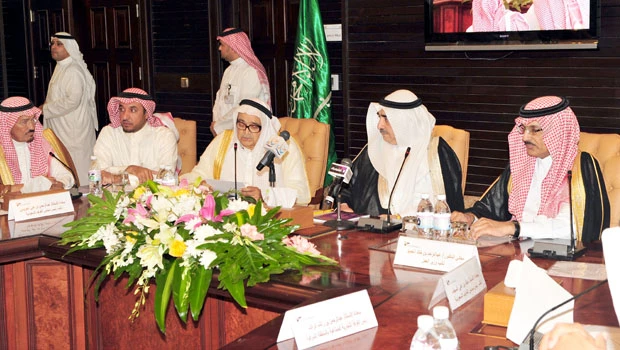
“We have to solve this unemployment problem as one team with responsibility,” the minister told some 170 businessmen from different parts of the country at the Riyadh Chamber of Commerce and Industry.
It is unclear whether the figure included unemployed Saudi women. According to a recent study, 78.3 percent of jobless women hold university degrees and at least 1,000 of them doctorate degrees.
“During the past 15 years, only a few jobs were Saudized,” Fakieh complained, adding that the Saudization program failed to replace 10 percent of the foreign manpower with unemployed Saudis.
Prominent Saudi businessman Saleh Kamel, who is chairman of the Council of Saudi Chambers of Commerce and Industry (CSCCI), proposed the appointment of an international consultancy firm to find solutions for the Kingdom’s labor problems.
“Our ministry welcomes all observations,” Fakieh said and called for combined efforts to find solutions. The businessmen told the minister that they wanted his quick intervention to solve their problems.
The ministry is in a dilemma. It has to approve recruitment of foreign workers as required by private companies to carry out new projects and fears the new recruitment would affect Saudization.
“We have to be realistic while taking up the issue of Saudization,” said Abdul Rahman Al-Rashid, chairman of Asharqia Chamber, adding that it would be difficult to achieve Saudization targets with the surge of giant development projects across the country.
Following his two-hour meeting, Fakieh told the businessmen that the proposals he received from them were “not matured.”
Fahd Al-Sultan, secretary-general of the CSCCI, had earlier made a presentation about the views of the business sector on labor issues. He stressed the need to issue a required number of recruitment visas, especially for technically skilled workers.
Some participants called for joint panels including Labor Ministry officials and businessmen to work out mechanisms for the Saudization of jobs in the private sector. One delegate turned the minister’s attention to the successful Malaysian experiment in dealing with surplus foreign workers.
The meeting proposed the establishment of a government authority to Saudize jobs and regulate recruitment of foreign workers. The businessmen urged the authorities to treat Saudi and foreign investors equally in terms of providing incentives and issuing recruitment visas.
During the meeting, Abdul Rahman Al-Haqabani criticized the Labor Office for its repulsive behavior toward Saudis. “It gives a bad image as the citizens who approach them feel humiliated and dishonored. It’s a department that makes people hate the country.”