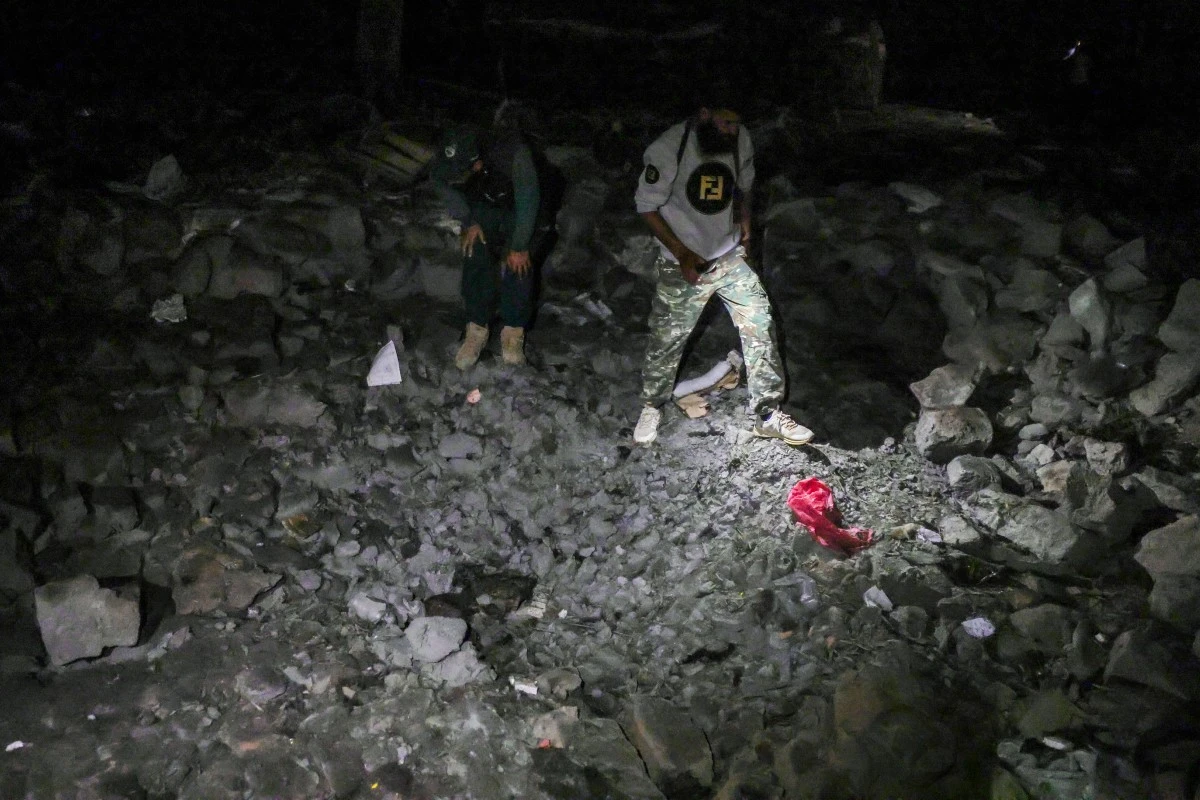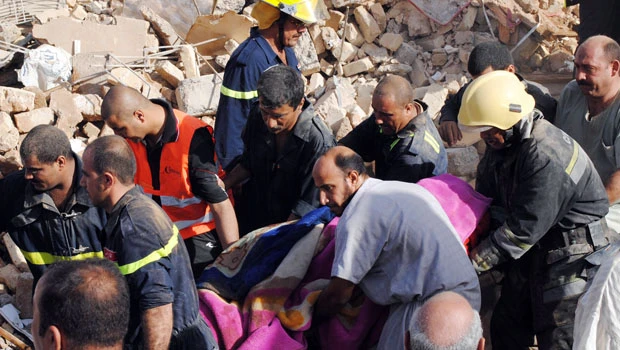
- BAGHDAD: A bomb exploded near the house of a policeman in Saddam Hussein’s hometown of Tikrit on Tuesday, killing his 6-month-old niece, both her parents and five other members of the same family.
In the Shiite holy city of Najaf, the chief UN envoy to Iraq escaped unharmed from a bombing that hit his convoy Tuesday.
The policeman, Lt. Col. Qais Rashid, was unharmed. But both his parents, his sister, two brothers and their wives all died when the blast leveled his home, said Col. Khalid Jassim of the Tikrit police. Rashid’s 2-year-old-niece — the baby’s older sister — survived the blast, officials said.
The baby niece, Shahad Mohammed, was the child of one of Rashid’s brothers. It was not immediately clear whether he had any other surviving siblings besides the three killed.
Insurgents frequently target policemen and security forces in an attempt to destabilize Iraq as the US military winds down its role in the country. Tikrit, located some 80 miles (130 kilometers) north of Baghdad, was once an insurgent stronghold but has been calmer in recent years as violence has ebbed throughout Iraq.
Saad Hassan, an official in Tikrit’s main hospital, confirmed the death toll.
In Samarra, 60 miles (95 kilometers) north of Baghdad, a roadside bomb struck a police patrol, killing two policemen and wounding two. In the capital Baghdad, two bombs attached to buses exploded and wounded 15 Iranian pilgrims, officials said.
The officials spoke on condition of anonymity because they were not authorized to talk to the media.
In other developments, an Iraqi military general said he will investigate his troops in connection with the beating of journalists who were covering a bombing in Baghdad a day earlier.
Two Associated Press journalists were among those assaulted by Iraqi soldiers while trying to cover a Monday morning bombing that killed a Baghdad provincial council lawmaker. An AP Television News cameraman had his foot broken in the beatings and soldiers punched and kicked an AP photographer.
Commander of Military Operations Lt. Gen. Abdul-Karim Al-Izi described the beatings as an “event of aggression against journalists in Baghdad” and said he will not ignore the incident.
In the Najaf bombing, the chief UN envoy to Iraq was leaving after a meeting with the nation’s top cleric when a roadside bomb targeting his convoy exploded, officials said.
UN Special Representative Ad Melkert earlier met with Grand Ayatollah Ali Al-Sistani about how to unsnarl Iraq’s stalemated government, said UN spokeswoman Randa Jamal.
Jamal could not confirm reports that at least one Najaf policeman in Melkert’s escort was killed.
Iraqi Gen. Othman Al-Ghanemi, who oversees military operations in the area, denied that the UN convoy even came under attack, calling it “rumor and baseless news.”
At a press conference before leaving Najaf, Melkert said he would not discuss any specifics of his meeting with Al-Sistani, who wields strong influence with Iraqi Shiites and has refused to meet with US diplomats in recent years. Melkert said Al-Sistani expressed concern about Iraq’s government, which has been in limbo since March 7 parliamentary elections failed to yield a clear winner.
As a result, a mostly-Shiite political alliance led by Shiite Prime Minister Nouri Al-Maliki and a Sunni-backed group headed by secular Shiite Ayad Allawi have been furiously jockeying for allies to control parliament and pick Iraq’s new leaders.
“It is time for all to meet together at one table to form a government, according to Iraq’s constitution and without beforehand conditions,” Melkert said before Tuesday’s bombing. “Iraqi interests should be above any other interest.” The political void so far has not spurred widespread or religiously fueled violence that would further set back the already wobbly democracy and, officials fear, likely destabilize the Mideast. But bombings, shootings and other attacks continue to plague Iraq.