- BAGHDAD: The pace of coalition talks in Iraq may speed up after a court told parliament to convene and political blocs agreed to meet, putting pressure on the Kurds to pick a winning side seven months after an inconclusive election.
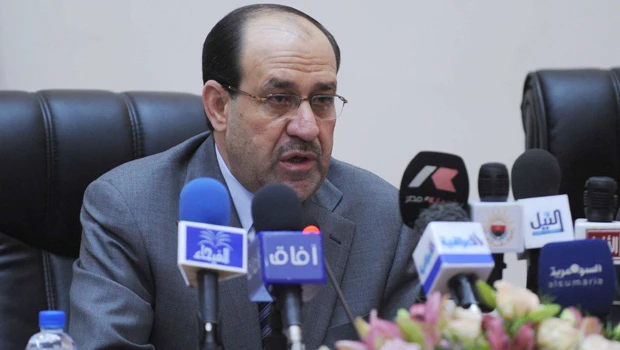
Minority Kurds, whose 57 parliamentary seats are needed by the two rival groups to form a government, are expected to back incumbent Prime Minister Nuri Al-Maliki’s Shiite-led coalition.
But US pressure to include vote winner Iyad Allawi’s Sunni-backed Iraqiya bloc has put the brakes on a deal, politicians said.
While Allawi’s Iraqiya came first in the March 7 election, with two more seats than Maliki, it fell short of a majority.
So far, talks have failed to produce a government and tensions have spiked amid fears that Allawi’s Sunni supporters might feel sidelined if Iraqiya is not included.
Iraq’s highest court on Sunday ordered parliament to resume its sessions despite the deadlock, putting pressure on factions to reach a deal.
Overall violence has fallen sharply but attacks by suspected Sunni Islamist insurgents and Shiite militia occur daily, raising fears of a resurgence in broad bloodshed just as US troop numbers fall ahead of a full withdrawal next year.
“The door has not been closed yet for more talks with other blocs ...,” Deputy Prime Minister Ross Nouri Shawis, a Kurd, told reporters on Monday.
“Definitely some blocs are getting considerably closer to us,” he added in comments that Kurdish lawmakers say reflect greater rapprochement between the Kurds and Shiite parties than between them and Iraqiya.
Iraq’s Kurds, who have enjoyed virtual self-government in their northern enclave since the first Gulf War, and the Shiite majority have long been allied. Both communities were brutally repressed under ousted Sunni dictator Saddam Hussein.
Both also have ties to neighboring Shiite power Iran.
By contrast, the Kurds have many bones of contention with Arab nationalists within Iraqiya, in particular some of its leading Sunni politicians from the northern province of Nineveh where Kurds and Arabs tussle over disputed lands.
“We cannot ignore that there is sensitivity and distrust between Iraqiya and us because of the disputed areas, Peshmerga (fighters) and the oil contracts,” a senior Kurdish leader and member of the negotiating team said, declining to be named.
“We do not think that they are serious when they say they have no problem with our negotiating demands.”
Politicians say the Kurdish side and Maliki’s coalition have pretty much agreed on everything they need to agree on to form a coalition government.
“As negotiation teams, there is a final deal on the negotiating paper presented by the two blocs,” Khalid Al-Asadi, a member of the negotiating team of the Shiite-led National Alliance, said. The National Alliance is composed of Maliki’s State of Law and the Iran-friendly Iraqi National Alliance.
What has held up a final deal, politicians say, are US efforts to persuade all sides to include Iraqiya, and also some lingering doubts among the Kurds about whether their Shiite allies will honor all their promises.
The United States has said it supports a government including all winning factions while Arab neighbors and Turkey are also keen for an administration that includes Sunnis.
In return for supporting a government, the Kurds want concessions on oil legislation. They also lay claim to oil-rich Kirkuk and other disputed areas, and claim the president’s post.
“We have reached an understanding, almost entirely on these points,” said Sami Shorish, a Kurdish lawmaker and part of the Kurdish negotiation team.
A key roundtable meeting on Wednesday in Baghdad led by Kurdistan regional president Masoud Barzani is expected to give some indication of where the Kurds will throw their support.