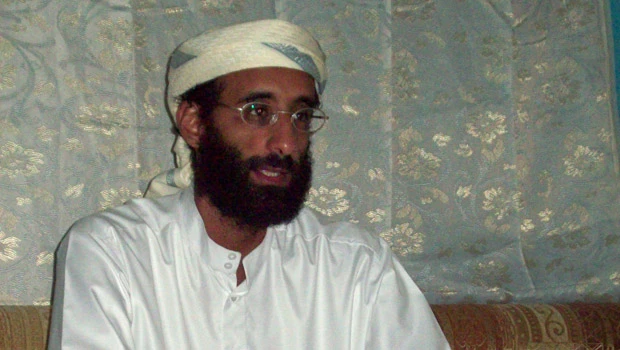
- SANAA: Yemen put an American-born radical cleric on trial in absentia Tuesday on charges of plotting to kill foreigners and being a member of the terrorist group.
Prosecutor Ali Al-Saneaa announced the charges against Anwar Al-Awlaki as part of a trial against another man, Hisham Assem. Assem has been accused of killing a Frenchman in an Oct. 6 attack at an oil firm compound where he worked as a security guard. Assem, 19, denied all the charges and said he was tortured and forced to give false confessions.
Assem was present in court. But Al-Awlaki and a third suspect, his cousin Osman Al-Awlaki, were charged in absentia. The hearing was held under tight security at a courthouse in downtown Sanaa.
In Hadramout, 16 Al-Qaeda men were sentenced to four years in prison. They were charged with taking part in a criminal conspiracy and forming armed gangs and getting Yemeni passports to join Al-Qaeda. Al-Awlaki, 39, was born in New Mexico and is based in Yemen. US investigators say e-mails link him to the army psychiatrist accused of last year's shooting spree at the Fort Hood, military base in Texas that killed 13 people.
A letter purportedly from Al-Qaeda militants from Al-Awlaki's tribe was posted Tuesday on militant websites, urging the tribe's leaders to join the group's fight against the Yemen government. The letter suggests a possible split in the powerful Awalik tribe.
Meanwhile, Yemen launched an operation on Tuesday to arrest a bomb maker accused of being behind a foiled bomb plot involving US-bound parcels, while suspected Al-Qaeda fighters blew up an oil pipeline in southern Yemen, causing an oil leak and sending black smoke billowing into the sky. No casualties were reported. The pipeline is part of an oil field that produces 10,000 barrels a day, the report said, quoting company officials. The attack was in Shabwa.
The blast on the pipeline taking crude oil to a maritime export terminal was caused by a timed device, a Yemeni security official said.
— With input from agencies