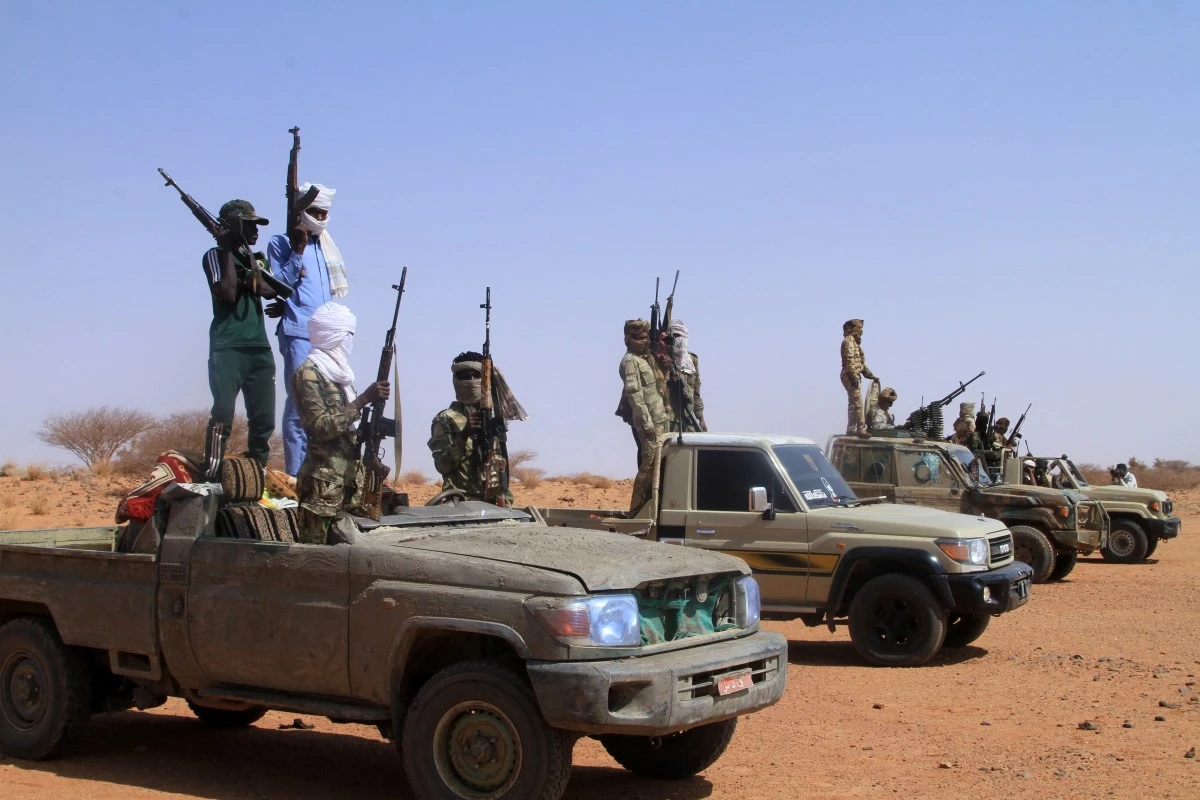
- WASHINGTON: The US State Department named a militant group in Iran to a US list of foreign terrorist organizations on Wednesday, a move likely to be welcomed by Tehran just weeks before the resumption of talks over its disputed nuclear program.
A State Department spokesman said adding the Jundallah organization to a terrorist list that contains 46 others — including Al-Qaeda, the Iranian-backed Hezbollah and the Pakistani Taleban — was not intended as a conciliatory gesture.
But some experts said the timing could still help smooth relations in advance of a new round of negotiations over Iran’s uranium enrichment program, the central source of tension between Tehran and Washington. Those talks are expected to resume before the end of this month.
Iran insists the program is part of its effort to develop a peaceful civilian nuclear industry, while the US and other nations suspect that Tehran is moving toward building nuclear weapons.
Suzanne Maloney, an Iran expert at the Brookings Institution, said that the designation could be seen by Iran as a “real important confidence-building measure,” and offers at least some hope that the coming nuclear talks will be productive.
She added, however, that Iran’s rulers may be inclined to view it as “too little, too late,” given a sense in Tehran that the threat posed by the group has diminished.
In previous nuclear talks in October 2009, Iran indicated initial acceptance of a Western plan to temporarily reduce its stockpile of low-enriched uranium, but the deal fell through.
Karim Sadjadpour, an Iran expert at the Carnegie Endowment for International Peace, said the designation is not likely to stop Iran from claiming US interference in its internal affairs.
“This designation helps counter claims that America is actively trying to foment ethnic unrest in Iran,” Sadjadpour said. “I strongly doubt, however, that the Iranian government will cease making such claims.” Jundallah, or Soldiers of God, says it is fighting for the rights of the Sunni minority in predominantly Shiite Iran; the Iranian leadership calls it a terrorist group bent on destabilizing the government.
“Jundallah uses a variety of terrorist tactics, including suicide bombings, ambushes, kidnappings and targeted assassinations,” the State Department said, adding that since its inception in 2003, Jundallah’s attacks have killed and injured scores of Iranian civilians and government officials. The listing outlaws US financial and other aid to the organization.
The group was publicly blamed for the July bombing of a Shiite mosque in the southeast Baluchi region, which borders Pakistan. About 30 people were reported killed.
In October 2009 a bombing linked to Jundallah killed at least 42 people, including five senior commanders of Iran’s elite Revolutionary Guard.
Alireza Nader, an Iran specialist at the RAND Corp. think tank, said the Iranian government in the past has accused the US of supporting Jundallah, despite public US
denunciations of terrorist bombings blamed on the organization.
“The fact that it’s being treated as a terrorist group could potentially be interpreted by the Iranian government as a signal of US efforts to ease tensions with the Iranian government,” Nader said.
State Department spokesman P.J. Crowley said the decision had been in the works for months.
“This is not a gesture to any country,” he said in a telephone interview. “This is part of our ongoing efforts to root out terrorism wherever it exists. Jundallah meets the legal criteria of a foreign terrorist organization designation. It’s engaged in terrorism, it’s a threat to the United States.” Crowley said the Obama administration held off labeling Jundallah a terrorist organization in hopes that it would disband, following Iran’s capture and reported execution in June of the group’s former leader, Abdulmalik Rigi.
Instead Jundallah named a new leader, Al-Hajj Mohammed Dhahir Baluch, so the State Department legal process moved ahead, the spokesman said.
Also on the State Department’s list of terrorist organizations is the People’s Mujahedeen Organization of Iran — also known by its Farsi name as the Mujahedeen-e-Khalq — which seeks the overthrow of Tehran’s clerical rulers.
The group was allied with Iraqi dictator Saddam Hussein before his downfall in 2003.