- BAGHDAD: Al Qaeda's Iraqi affiliate said on Friday that recent attacks in Baghdad were "the beginning of the downpour" and many more bloody days would come.
The Islamic State of Iraq's statement posted on radical Islamic websites appeared to link the escalation in attacks to signs that incumbent Prime Minister Nuri Al-Maliki, a Shiite, might secure a second term.
In vague language, the statement said the Sunni insurgency was launching a new campaign because it was "disillusioned by the return of the Safawis' project," a term it has used to describe Shiite political supremacy in Iraq.
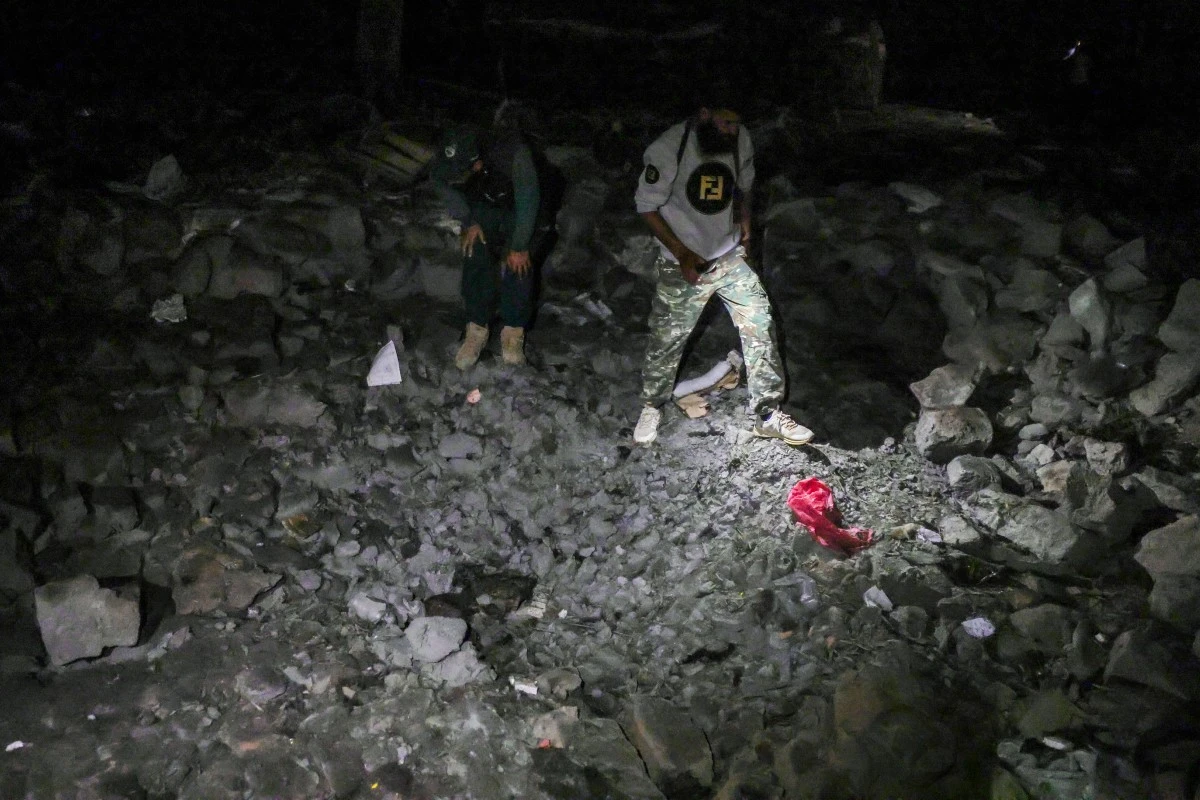
"What they have seen in that night is the beginning of the downpour, and one day out of many bloody days awaiting them." A series of bombs around Baghdad on Tuesday night killed more than 60 people, mostly in Shiite areas.
The statement did not clearly claim responsibility for those attacks or refer specifically to a siege of a Catholic church on Sunday by Al-Qaeda-linked gunmen in which 52 hostages and police died, despite an earlier statement that the group was behind the attack.
Iraq has been in a power vacuum for eight months since an election that no party won outright.
But a parliament session called for Monday may help speed up the process, with signs Maliki could secure the support he needs from Shiite groups and minority Kurds to gain a second term.
While violence in the country has subsided from the peak of sectarian warfare in 2006-07, attacks and killings by Sunni insurgents and Shiite milita remain a daily occurrence ahead of the withdrawal of US forces next year.
Maliki's retention of his post would likely anger Sunni hard-liners who mistrust his links to Shiite power Iran, and fear what they see as his autocratic leanings and a disinclination to pay heed to Sunni concerns.
Minority Sunnis voted en masse in the March election for former premier Iyad Allawi's cross-sectarian Iraqiya bloc. Any attempt to exclude it from government might anger them and reinvigorate a still lethal Al-Qaeda-led insurgency capable of attacks like those which took place over the past few days.
"This issue should be considered carefully by politicians," Ahmed Al-Safi, a representative of Grand Ayatollah Ali Al-Sistani, Iraq's most revered Shiite cleric, said during Friday prayers in Najaf.
"It is not acceptable that the country is enduring this and politicians squabble over this post or that. We don't want the country to be set alight in this way, and the process of forming a government is going slowly. This process should be completed as soon as possible."