- MAKKAH: The large presence of illegal roadside food vendors has become a trend during the annual Haj season in the holy city of Makkah.
Despite the relentless efforts of the Makkah municipality to crack down on these often-unhygienic food operations, a large number of foreigners, including illegal residents, have taken up this often-lucrative business.
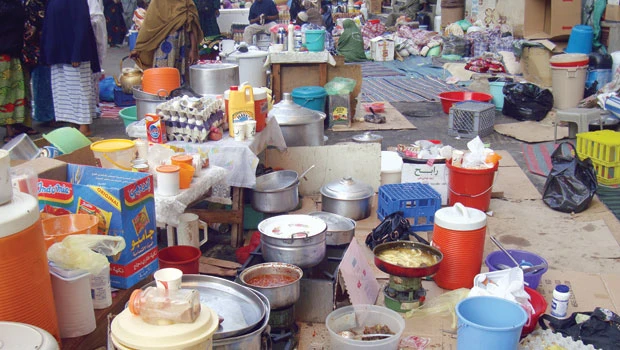
They prepare various types of dishes in the most unhygienic conditions at their filthy street stalls or in the open air and then serving them to Haj pilgrims from various countries.
These vendors are keen to prepare the staple diet of pilgrims from various countries, especially those from Africa. These peddlers serve the dishes either at the temporary stalls set up next to pilgrims’ residential buildings or at their doorsteps.
Arab News visited Al-Mansour Street district, where pilgrims from a number of African countries are staying. The district is also home to a large number of African nationals, including illegal residents.
Some of these foreigners earn a livelihood by preparing dishes for pilgrims. They often set up stalls by the roads and cook meals in the open while flies and other insects swarm around. Pilgrims are not deterred from buying dishes from these eateries.
“This is a phenomenon taking place during the Haj season every year. These African food vendors are concentrated in areas where Haj pilgrims from their own countries stay,” said one local Saudi resident. “Some of these vendors have turned a compound used by the residents to park their vehicles into a mammoth eatery after spreading out plastic sheets on the ground and serving dishes to Haj pilgrims. Therefore, the local residents have been forced to move their vehicles out of the compound so as not to disturb the pilgrims.”
In another area in the district, a group of Africans, including women, have virtually invaded a major portion of the street and placed cooking material and utensils there, including gas cylinders.
They were busy preparing various types of dishes for pilgrims using expired cooking oil. They set aside only a small portion for customers, meaning that they serve the rest of the food outside. They receive bulk orders from Haj tour operators and make home deliveries.
The meals were being prepared in the most unhygienic manner. Flies and insects could be seen flying about and landing on the food.
A resident of the area told Arab News that some people, most likely pilgrims, come daily in the afternoon and evening to buy dishes prepared at the stalls.
They then serve the food among pilgrims from their respective Haj missions, he said, adding that these foreigners do not care about hygiene. “Several cats could be seen gathering at the eatery and waiting their turn to steal the meat and other meals meant for the pilgrims,” he noted.
In another area near the Kuday district, groups of Africans and Indonesian roadside vendors have set up temporary eateries next to the residential buildings where pilgrims from their countries are staying. The condition of these eateries is almost similar to what was witnessed in Al-Mansour district. “These vendors, who are living away from the neighborhood, have brought in cooking material, then set up temporary eateries near the township and started preparing dishes,” one resident told Arab News. “Some of them have erected small tents to take rest in the meantime.”
He added that these vendors store sacrificial meat in the most unhygienic manner and serve it to pilgrims after cooking in the open-air.