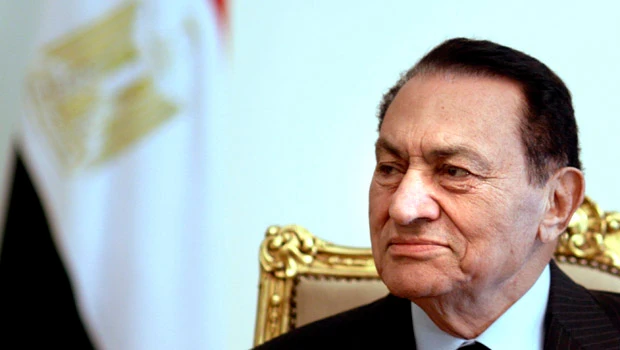
- CAIRO: Egyptian President Hosni Mubarak on Sunday blamed Israel for the stalemate in peace negotiations with the Palestinians in a speech before a joint session of the Egyptian Parliament's two chambers.
Mubarak also warned Israel that the security of its people hinged on peace rather than "occupation or arms."
The Egyptian president, whose country has a 1979 pace treaty with Israel, also called on the United States and other Mideast peace brokers to "assume their responsibility" to break the stalemate in the peace process, lamenting that international efforts had fallen well short of what was needed.
The talks are at an impasse over the Israeli refusal to cease building settlements in areas wanted by the Palestinians for a future state.
Egypt, a key US ally, would continue to work for a "just" peace that brings security to all parties in the region, Mubarak said.
Mubarak's criticism of Israel is not unusual. Relations between Egypt and Israel have been cool for most of the 31 years since they signed their peace treaty. Their differences are mostly over lack of progress toward a regional peace accord.
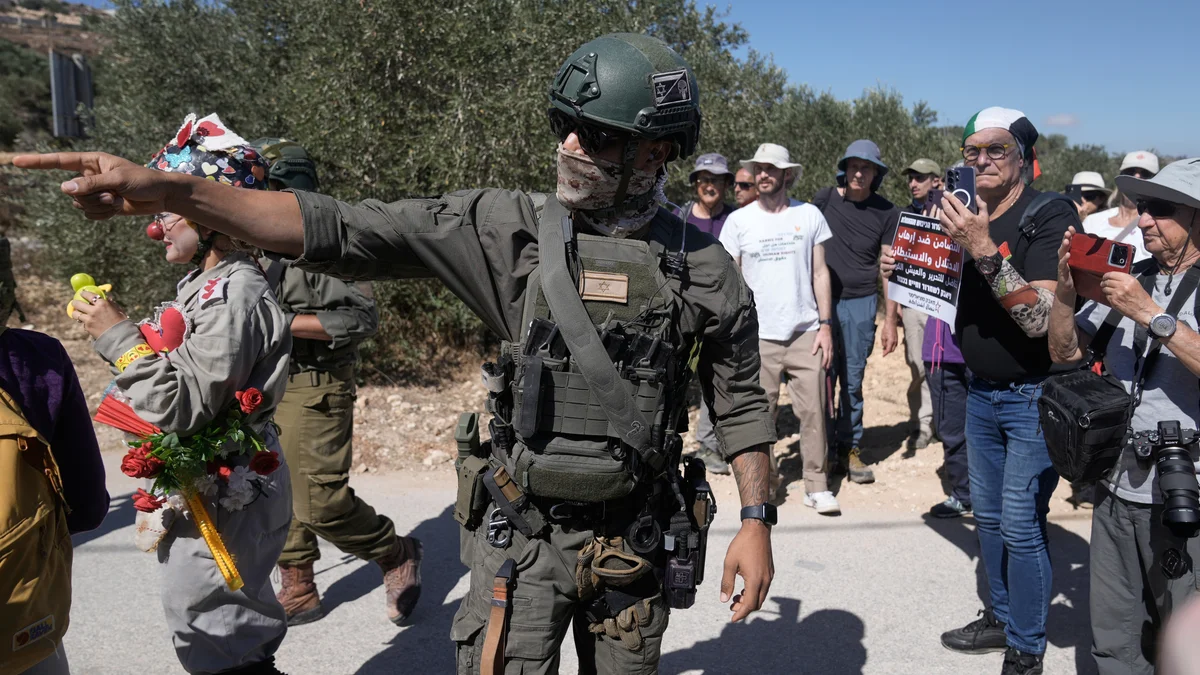
The New York-based Human Rights Watch meanwhile said in a report Sunday that Israel systematically stifles the development of Palestinian communities in the West Bank and East Jerusalem while fostering the growth of Jewish settlements on those lands,urging the US to slash aid to Israel because of "blatantly discriminatory" practices.
No security rationale or other legitimate reason can explain the "vast scale of differential treatment," said the 166-page report, which compared several Palestinian communities with neighboring settlements.
In one case, Israel refused to connect a West Bank village to the electricity grid and denied approval for a foreign-funded solar energy project there, while a nearby settlement enjoyed all standard services, the report said.
"Palestinians face systematic discrimination merely because of their race, ethnicity, and national origin, depriving them of electricity, water, schools, and access to roads, while nearby Jewish settlers enjoy all of these state-provided benefits," said Carroll Bogert, a spokeswoman for the group.
Israeli officials were reviewing the report and had no immediate comment.